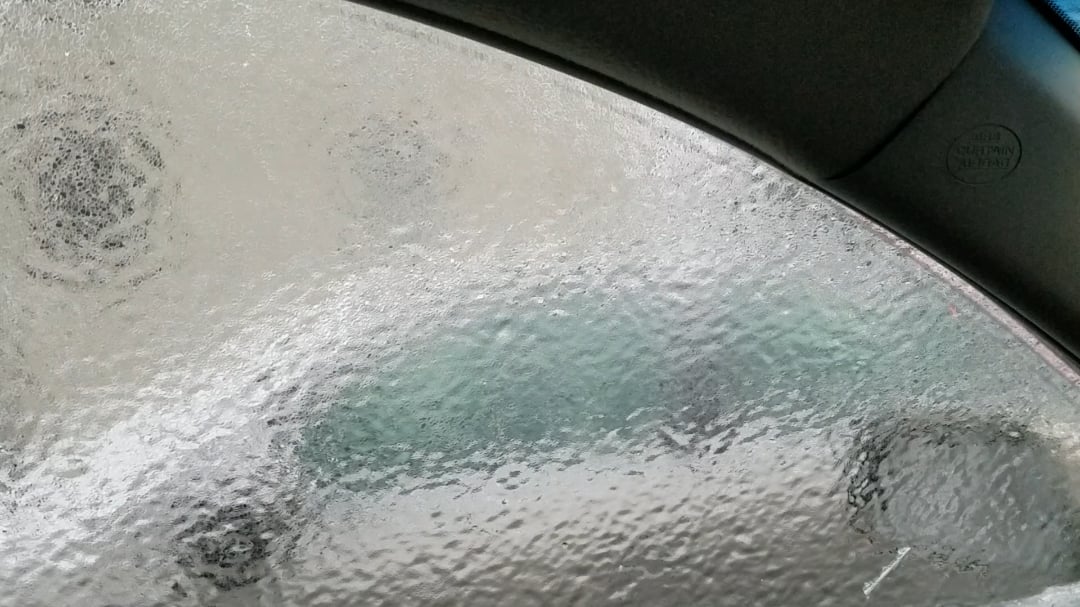
After freezing rain in New England
Title: Navigating the Aftermath: A Complete Guide to Freezing Rain Events in New England
Meta Description: Discover how freezing rain impacts New England, from hazardous travel to power outages, and learn critical safety tips for surviving these icy winter storms.
Introduction
Freezing rain transforms New England’s picturesque winters into perilous landscapes of ice-glazed roads, downed power lines, and treacherous sidewalks. Unlike fluffy snowfall, freezing rain occurs when raindrops supercool upon contact with frozen surfaces, creating a transparent layer of ice known as “black ice.” This phenomenon is especially common in New England due to its volatile coastal weather patterns, where warm air collides with cold ground temperatures. This guide unpacks the dangers, aftermath, and recovery strategies for residents facing the chilling aftermath of a freezing rain event.
Part 1: Understanding Freezing Rain in New England
Freezing rain develops under specific conditions:
- Temperature inversion: Warm air aloft causes rain to form, while ground temperatures linger below freezing.
- Rapid cooling: Raindrops freeze instantly upon hitting surfaces like roads, trees, and power lines.
- Regional vulnerability: Coastal areas (e.g., Boston, Portland) and mountainous zones (Vermont, New Hampshire) face higher risks due to erratic weather shifts.
Part 2: Immediate Impacts of Freezing Rain
✅ 1. Transportation Chaos
- Roads become “ice rinks,” leading to multi-car pileups and highway closures.
- Airports (e.g., Boston Logan) face delays/cancellations as de-icing protocols grind operations to a halt.
- Public transit disruptions hit cities like Boston hardest, where icy rails and overhead wires threaten commuters.
✅ 2. Power Outages & Infrastructure Damage
- Ice accumulation weighs down trees and power lines, causing widespread blackouts. In 2008, a notorious ice storm left 1.25 million Northeast residents without electricity.
- Utility crews face hazardous repairs, often requiring days to restore services in rural regions.
✅ 3. Safety Hazards
- Black ice: Nearly invisible on roads and walkways, increasing slip-and-fall injuries.
- Falling ice & branches: Icicles and weakened tree limbs pose lethal risks to pedestrians and properties.
Part 3: Safety Tips for Surviving Freezing Rain
-
Stay Off Roads
- Avoid travel unless urgent. If driving is unavoidable:
- Use winter tires or chains.
- Drive slowly, increase following distance, and avoid sudden braking.
- Avoid travel unless urgent. If driving is unavoidable:
-
Prepare for Power Outages
- Stock emergency kits with flashlights, batteries, blankets, and non-perishable food.
- Charge phones and backup power banks in advance.
-
Protect Your Home
- Trim tree branches near power lines pre-winter.
- Insulate pipes to prevent bursts and keep faucets dripping during freezes.
-
Pedestrian Safety
- Wear ice grips on shoes and walk like a “penguin” (short strides, flat-footed).
- Avoid walking under icicle-laden roofs or trees.
Part 4: Long-Term Effects & Recovery
- Economic Toll: Ice storms cost millions in damage repairs, insurance claims, and lost productivity.
- Ecological Stress: Ice-damaged trees become vulnerable to disease, altering forest ecosystems.
- Infrastructure Upgrades: Communities invest in resilient power grids and road treatments (e.g., brine solutions) to mitigate future risks.
Part 5: How New England Builds Resilience
- Community Response: Volunteers check on vulnerable neighbors during outages; shelters open for displaced residents.
- Tech Innovations: Advanced weather modeling and emergency alert systems provide critical early warnings.
- Climate Adaptation: Engineers design “smart grids” and reinforced utility poles to withstand ice loads.
Conclusion
Freezing rain in New England is a formidable force of nature, but preparedness and community solidarity turn survival into resilience. By understanding the risks, heeding safety protocols, and supporting infrastructure upgrades, residents can navigate these icy crises with confidence. Stay informed via local weather alerts—and remember: every winter storm is a reminder of New England’s rugged spirit.
Call to Action
Share this guide to help others stay safe during freezing rain events! For real-time updates, follow the National Weather Service – Boston/Norton or local utility providers like @EversourceMA.
[End with keywords for SEO: freezing rain New England, ice storm safety tips, New England power outages, winter driving hazards, black ice precautions]
![Oiling some curly maple [OC]](https://www.smartplusmedia.com/wp-content/uploads/2026/07/Oiling-some-curly-maple-OC-445x265.png)