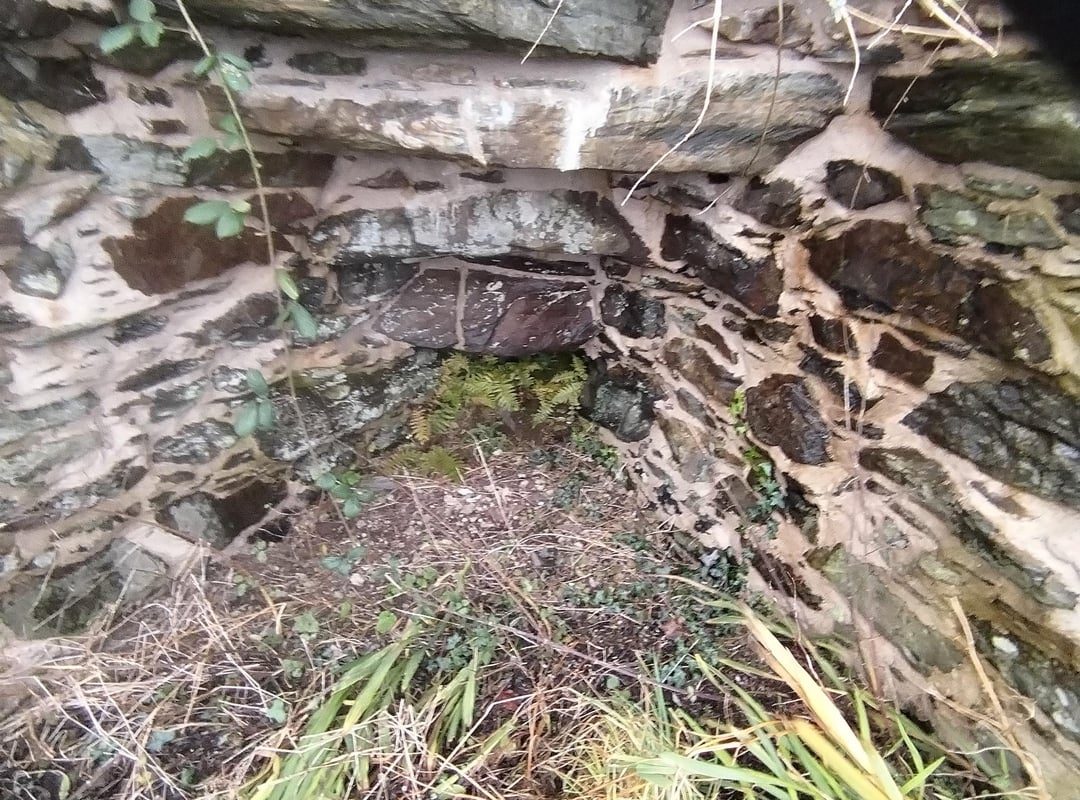
Artesian well in the uk
Title: Artesian Wells in the UK: A Natural Solution to Water Supply
Introduction
Artesian wells have long been a symbol of sustainable water access, harnessing the Earth’s natural pressure to deliver groundwater without the need for mechanical pumping. In the UK, where rainfall is frequent but water scarcity remains a rising concern, these geological wonders offer a fascinating blend of history, science, and practical utility. This article explores how artesian wells work, their presence across the UK, their benefits, and their relevance in modern water management.
What Is an Artesian Well?
An artesian well taps into a confined aquifer—a layer of permeable rock or sediment saturated with water—trapped between impermeable layers (e.g., clay or shale). Water in these aquifers is under natural pressure due to gravity and geological structure. When a well is drilled into this aquifer, water rises to the surface naturally, often overflowing without pumps.
Key Features:
- Natural Flow: Water flows unaided due to hydrostatic pressure.
- High-Quality Water: Typically filtered through layers of rock, reducing contamination.
- Sustainable Source: Replenished by rainfall that seeps into recharge zones (often higher elevations).
Artesian Wells in the UK: Geology and Locations
The UK’s geology provides ideal conditions for artesian wells, particularly in regions with layered sedimentary basins. Confined aquifers are common in areas like:
- The London Basin: The chalk aquifers beneath London have historically supplied artesian water.
- The Wessex Basin: Known for its Jurassic limestone formations.
- East Anglia: Permeable sandstone layers create artesian pressure.
Famous UK Artesian Wells:
- Trafalgar Square’s Well: A 400-meter-deep artesian well drilled in the 19th century to supply the fountains.
- The Tunbridge Wells: The town’s name originates from the mineral-rich springs fed by artesian aquifers.
- The Chiltern Hills: Home to natural springs and wells fueled by chalk aquifers.
Benefits of Artesian Wells in Modern Times
- Energy Efficiency: No pumps mean lower energy costs and reduced carbon footprint.
- Reliable Supply: Less vulnerable to seasonal droughts due to deep, insulated aquifers.
- Water Purity: Natural filtration often removes pollutants, though testing is still advised.
- Historical and Cultural Value: Many UK artesian wells are protected landmarks, contributing to heritage tourism.
Challenges and Environmental Considerations
While artesian wells are sustainable, they require careful management:
- Over-Extraction: Excessive drilling can deplete aquifers and reduce pressure over time.
- Contamination Risks: Industrial pollution or agricultural runoff can infiltrate recharge areas.
- Legal Regulations: The UK’s Environment Agency strictly regulates groundwater extraction via permits to protect resources.
Did You Know?
The UK’s Water Resources Act 1991 and Environmental Permitting Regulations govern the drilling and use of artesian wells, requiring licenses for abstraction.
Are Artesian Wells Still Relevant Today?
With the UK facing increasing water stress—due to population growth, urbanization, and climate change—artesian wells can complement mains water supplies, especially in rural or off-grid areas. They also serve as emergency backups during droughts or infrastructure failures.
Case Study:
Farmers in Kent and Hampshire increasingly use artesian wells for irrigation, reducing reliance on expensive treated water.
How to Access an Artesian Well in the UK
- Geological Surveys: Consult hydrologists to identify viable confined aquifers.
- Licensing: Secure an abstraction license from the Environment Agency.
- Professional Drilling: Hire licensed contractors to avoid disrupting groundwater flow or nearby wells.
Cost Considerations:
Drilling can be expensive (from £10,000+), but long-term savings on water bills often justify the investment.
Conclusion
Artesian wells represent a marriage of natural ingenuity and human resourcefulness. In the UK, they remain a testament to sustainable water sourcing, offering communities a resilient alternative to traditional supplies. Whether for historical preservation, agricultural use, or emergency preparedness, understanding and protecting these geological gifts is key to future water security.
SEO Keywords:
Artesian well UK, groundwater sources, confined aquifer, sustainable water management, UK geology, Environment Agency permits, natural springs, water scarcity solutions, well drilling UK.
Call to Action:
Interested in exploring an artesian well for your property? Contact local hydrogeologists or the UK Environment Agency for guidance on permits and feasibility studies.