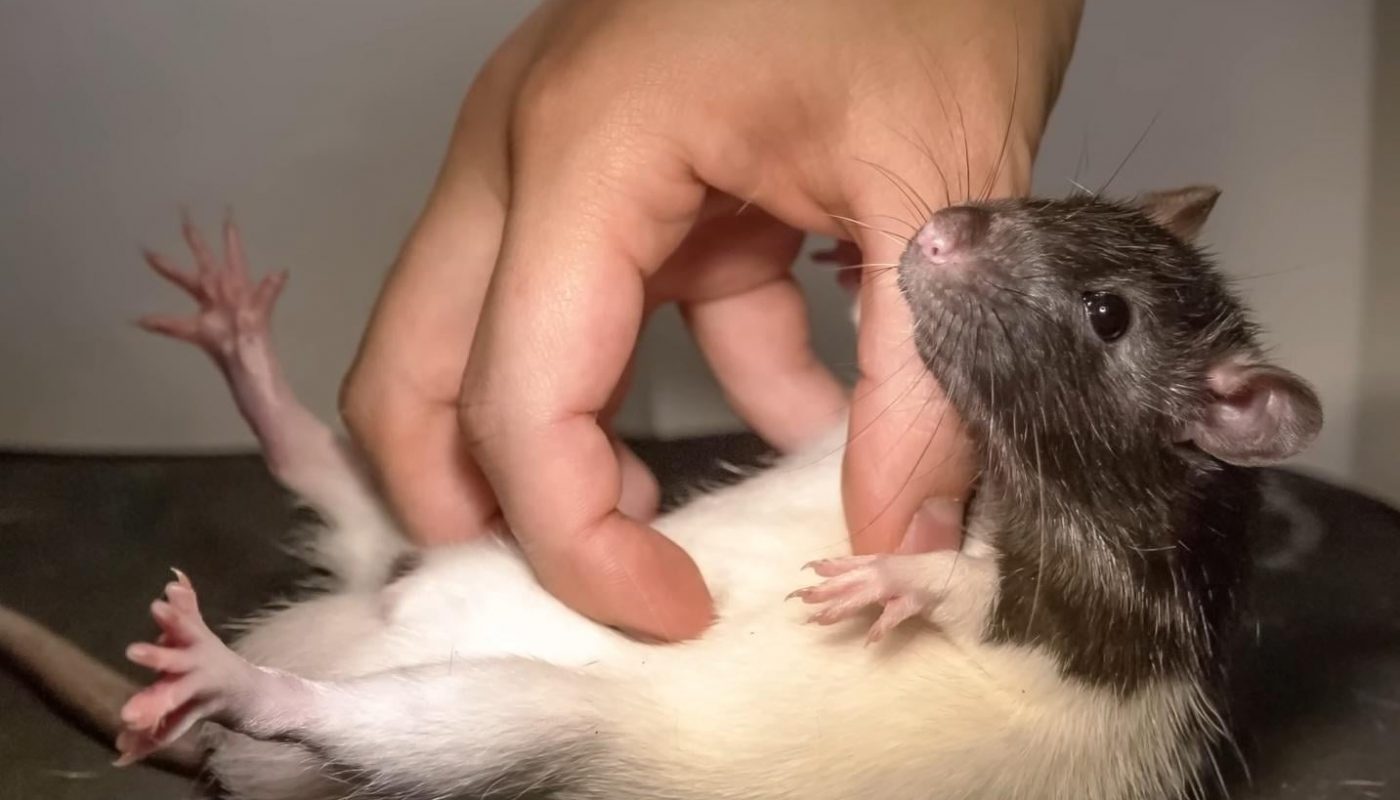
Rats giggle with joy when you tickle them gently. The sounds are ultrasonic and you need special gear to hear them, but once you do, it’s pure happiness.
Title: Why Rats Giggle When Tickled: The Science Behind Their Ultrasonic Joy
Did you know that rats burst into uncontrollable giggles when tickled gently? While it might sound like a scene from a children’s story, this phenomenon is backed by science. Rats produce high-pitched, ultrasonic laughter when they’re happy—sounds so high-frequency that humans can’t hear them without special equipment. In this article, we explore the surprising world of rat laughter, the science behind it, and what it reveals about the emotional lives of these intelligent rodents.
The Secret Sounds of Rat Laughter
When researchers at Humboldt University in Berlin first discovered rat laughter in the 1990s, it challenged our understanding of animal emotions. Led by neuroscientist Dr. Jaak Panksepp, the team observed that rats emitted rapid, ultrasonic chirps—ranging from 50 kHz—when they were gently tickled on their bellies or necks. These chirps mirror human laughter in a key way: they’re expressions of pure joy.
Why is it ultrasonic?
Rats communicate largely in frequencies beyond human hearing (20 kHz and above). This adaptation helps them socialize undetected by predators—and humans. To capture this laughter, scientists use devices called ultrasonic microphones or “bat detectors,” which translate the sounds into audible frequencies. What do they sound like? Think rapid-fire giggles, like a tiny, euphoric chatter.
Tickling Triggers Happiness (and Brain Chemistry Changes)
Giggling isn’t just cute—it’s a window into rat psychology. Studies show that tickling activates the same brain regions in rats that respond to pleasure in humans, like the prefrontal cortex. Positive interactions release dopamine (the “feel-good” hormone) and encourage rats to seek out more playful experiences.
In experiments, rats actively chased researchers’ hands for tickles, and some even “jumped for joy” (a behavior dubbed “Freudensprünge”). This suggests they anticipate fun, much like dogs wagging tails before playtime.
What Rat Laughter Teaches Us About Emotions in Animals
Rat laughter isn’t just quirky trivia—it reshapes how we view animals:
-
Animals Experience Joy
Rats laugh when playing, socializing, or anticipating rewards (like food). This reinforces that joy isn’t exclusive to humans. -
Laughter as Social Glue
In the wild, young rats play-fight and chirp to bond. Lab studies found rats prefer companions who “laugh” over silent peers, proving laughter strengthens social ties. -
Depression Models
Rats that stop laughing in response to tickling are used to study depression, helping scientists test antidepressants.
How to Hear a Rat Giggle (Safely and Ethically)
Want to experience this yourself? If you have pet rats, you can try gentle tickling—always respecting their comfort. Here’s how:
- Focus on safe zones: Belly, neck, and back. Avoid the tail or feet.
- Watch their reaction: If they lean in or “brux” (grind teeth contentedly), they’re enjoying it. If they freeze or flee, stop.
- Use technology: Apps like Ultrasonic Analyzer or bat detectors can help you listen in.
Important: Never force interaction. Tickling should mimic natural play, not stress.
The Bigger Picture: Rethinking Our Relationship with Rats
Rats are often seen as pests, but their capacity for joy shows they’re complex, social creatures. Understanding their emotions has ethical implications for labs, pets, and pest control. As Dr. Panksepp once said:
“The more we learn about animals, the clearer it becomes that their inner lives are rich with feeling.”
Conclusion
Next time you see a rat, remember: beneath those whiskers lies a creature capable of giggles, playfulness, and genuine happiness. Their ultrasonic laughter is a reminder that joy exists in unexpected places—if we’re willing to listen closely. Whether you’re a scientist, pet owner, or curious reader, the humble rat offers a profound lesson: happiness is universal.
Keywords for SEO: rat laughter, ultrasonic rat sounds, why do rats giggle, tickling rats, animal emotions, rat happiness, rat behavior, Jaak Panksepp, ultrasonic chirping, pet rat care.