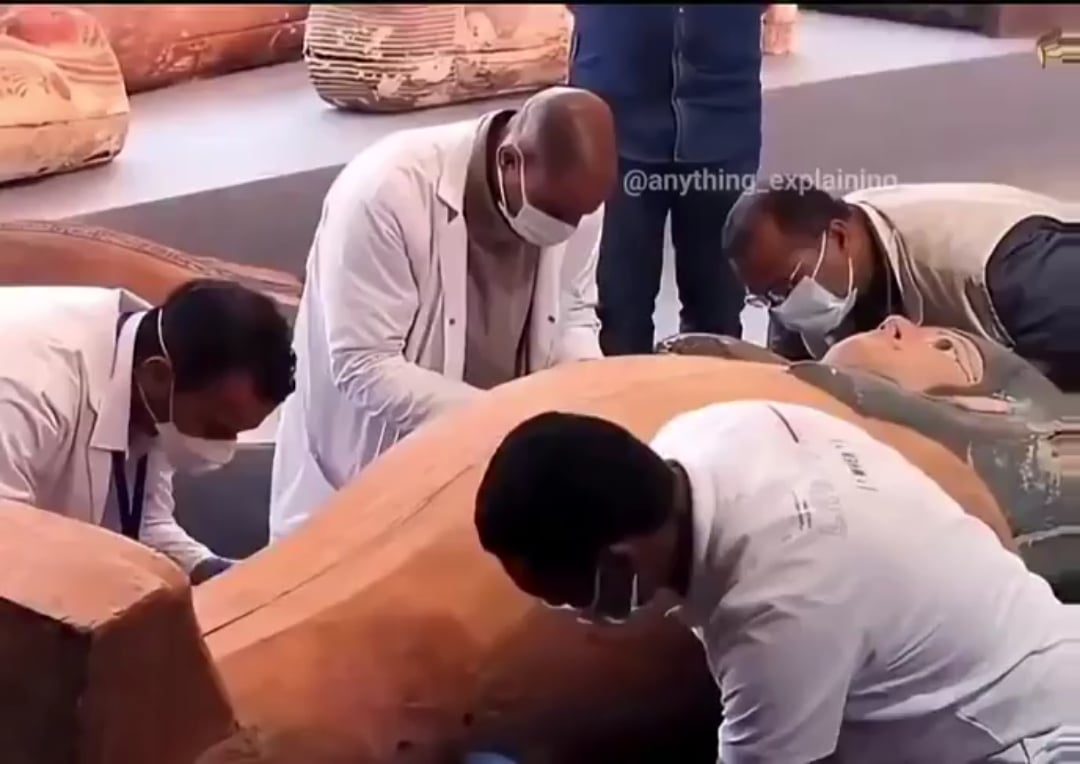
Egyptian mummy coffin opened for the first time after 2500 years.
Secrets Unveiled: Egyptian Mummy Coffin Opened for First Time in 2,500 Years
In a groundbreaking archaeological milestone, researchers have unveiled the secrets of an ancient Egyptian mummy coffin sealed for over 2,500 years. The rare opening—captured via advanced scanning technology—offers unprecedented insights into ancient burial practices, craftsmanship, and the afterlife beliefs of one of history’s most fascinating civilizations.
The Discovery: A Glimpse into Ancient Mysteries
The coffin, discovered in the renowned Saqqara necropolis south of Cairo, belonged to a teenage boy dubbed the “Golden Boy” due to the lavish gold and amulets adorning his remains. Dating back to ancient Egypt’s Ptolemaic period (305–30 BCE), the intricately painted sarcophagus had remained untouched since its ceremonial sealing millennia ago.
Using non-invasive CT scans and 3D imaging, scientists from Cairo University digitally “unwrapped” the mummy without disturbing its fragile remains. This modern approach preserves cultural heritage while revealing the coffin’s hidden treasures.
Inside the Coffin: Treasures of the Afterlife
The scans exposed a stunning array of funerary objects meticulously placed to guide the deceased into eternity:
- 49 Exquisite Amulets: Crafted from gold, semi-precious stones, and fired clay, these charms symbolized divine protection. They included a golden heart scarab (for moral purity) and the Eye of Horus (for healing).
- Golden Tongue Amulet: Placed in the mummy’s mouth, this artifact ensured the deceased could speak before Osiris, god of the underworld.
- Sandals of the Dead: Symbolizing a journey to the afterlife, the boy wore linen sandals to “walk” into eternity.
- Organ Protection: Resins and bandages shielded critical organs, reflecting ancient embalming mastery.
Researchers concluded the teen was 14–15 years old, based on bone analysis, and likely from a wealthy family given the burial’s opulence.
Why Non-Invasive Techniques Matter
Unlike invasive 19th-century practices—which often damaged mummies—modern digital archaeology allows scientists to study remains ethically.
- CT Scans: Reveal age, health, embalming methods, and hidden artifacts.
- 3D Reconstruction: Creates virtual models of mummies for global research access.
- Preservation First: Physical coffins remain intact for future generations.
Dr. Sahar Saleem, lead researcher, emphasized: “This technology lets us honor ancient Egyptians’ wishes for eternal rest while unlocking their stories.”
The Golden Boy’s Eternal Journey
The coffin’s decoration mirrored ancient beliefs about resurrection. Its vivid paintings depicted:
- Nut, Goddess of the Sky: Stretching protectively over the mummy.
- Anubis: The jackal-headed god overseeing mummification.
- Floral Garlands: Representing rebirth and Osiris’s resurrection cycle.
The body’s positioning—arms crossed, legs bound—signified royal or elite status, echoing pharaonic traditions.
Significance for Egyptology and Beyond
This discovery illuminates the Ptolemaic era’s cultural fusion—a time when Egyptian and Greco-Roman traditions blended. Key takeaways include:
- Cultural Continuity: Wealthy Egyptians still followed millennia-old burial rites despite foreign rule.
- Global Collaboration: Egyptian experts partnered with international scholars to analyze findings.
- Public Fascination: The study reignites intrigue in ancient Egypt, drawing tourism and educational interest.
Conclusion: A Time Capsule Reclaimed
The unsealing of this 2,500-year-old coffin reminds us that technology can bridge the past and present. As researchers decode more secrets from Saqqara’s sands, each revelation deepens our understanding of humanity’s shared heritage—and the timeless quest for immortality.
Keywords for SEO: Egyptian mummy coffin opened, 2,500-year-old mummy, Saqqara necropolis discovery, Golden Boy mummy, ancient Egypt archaeology, CT scan mummy study, Ptolemaic burial practices, non-invasive archaeology, Egyptian afterlife beliefs, Egyptian amulets.
Explore Further: Follow the Egyptian Ministry of Tourism and Antiquities for updates on this and other Saqqara excavations.