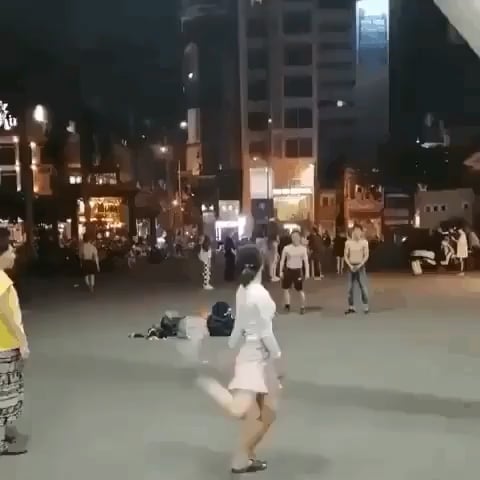
The effortless skill of jianzi players (an ancient game in China)
Title: The Art of Effortless Mastery: Secrets Behind Jianzi Players’ Graceful Skills
Meta Description: Discover the centuries-old Chinese game of jianzi and the seemingly effortless skill of its players. Learn how balance, precision, and cultural heritage blend into this mesmerizing sport.
Introduction
In bustling parks, temple courtyards, and schoolyards across China, it’s common to see groups of people gracefully kicking a feathered shuttlecock-like object—keeping it airborne with dazzling spins, flips, and footwork. This is jianzi (毽子), an ancient Chinese game dating back over 2,000 years, where players defy gravity with movements so fluid they appear almost effortless. But what makes jianzi experts so mesmerizingly skilled? Let’s unravel the secrets behind this cultural gem and the deceptively complex artistry of its players.
What is Jianzi?
Jianzi, also known as “Chinese hacky sack” or ti jian zi (踢毽子), combines elements of soccer, martial arts, and dance. The “ball” is typically a weighted base (historically coins, now rubber or plastic) attached to feathers or vibrant ribbons. Players use their feet, knees, shoulders, and even heads to keep the jianzi aloft, solo or in teams, showcasing agility and creativity.
A Glimpse into Jianzi’s History
Jianzi’s roots trace to the Han Dynasty (206 BCE–220 CE), where it began as cuju (蹴鞠), an early form of football. By the Tang Dynasty (618–907 CE), feather-stacked jianzi emerged as a distinct game, evolving into a folk sport and military training tool. Today, it’s a beloved cultural activity and competitive sport, even featured in events like the Asian Games.
The Effortless Illusion: Skills Behind the Grace
Jianzi masters make high-speed kicks, spins, and aerial tricks look easy, but their elegance hides years of disciplined practice. Here’s what fuels their seamless control:
1. Proprioception & Balance
Jianzi players develop extraordinary body awareness. Every muscle, joint, and limb works in harmony to adjust to the shuttlecock’s unpredictable trajectory. Tai chi-like balance and stances allow players to pivot, leap, or crouch without stumbling.
2. Precision Footwork
Foot technique is paramount. Players use the instep, heel, and toes to direct the jianzi with surgical accuracy. Advanced moves include “scissor kicks,” behind-the-back taps, and toe flicks that send the shuttlecock spiraling.
3. Rhythm & Flow
Like dance, jianzi thrives on rhythm. Experts enter a “flow state,” syncing their movements to the jianzi’s speed. Minimal, efficient motions conserve energy—no frantic flailing needed.
4. Mental Focus
Jianzi is as much a mental game as a physical one. Players anticipate angles, wind shifts, and spin while staying relaxed. Overthinking leads to drops; instinctual reactions keep the rally alive.
5. Muscle Memory Mastery
Decades of repetition turn complex tricks into reflexes. Elite players, like world champion Xu Zhihong, perform 100+ consecutive kicks with variations so smooth they seem preordained.
Training Like a Jianzi Master
Effortlessness comes only after relentless training:
- Drills: Beginner players start with basic kicks (1–2 contacts), gradually adding spins, jumps, and multi-limb coordination.
- Strength & Flexibility: Yoga-like stretches and calf exercises build the stability needed for one-legged moves.
- Playfulness: Many masters began as kids treating jianzi as play, not practice—a reminder that joy fuels mastery.
Jianzi’s Cultural Resonance
Beyond sport, jianzi embodies Chinese philosophy:
- Balance (和谐 Héxié): The harmony between player and object mirrors Confucian ideals of unity.
- Resilience: Like bamboo bending but not breaking, jianzi players adapt to challenges with grace.
- Community: Parks become stages where strangers bond over shared rallies, transcending age and skill.
Modern Revival & Competitive Scene
While traditional jianzi remains a casual pastime, modern competitions have formalized rulesets, with timed freestyle routines, team relays, and net-based versions akin to sepak takraw. Social media has also reignited global interest—videos of acrobatic jianzi players regularly go viral, showcasing the sport’s timeless appeal.
How to Start Playing Jianzi
- Gear Up: Buy or DIY a jianzi (online stores sell feathered or rubber-base versions).
- Stance First: Stand relaxed, knees slightly bent, weight on one foot.
- Start Simple: Use your dominant foot to tap the base gently. Aim for 5 consecutive kicks.
- Graduate to Tricks: Add knee bumps, shoulder taps, and turns once comfortable.
Conclusion: Effortlessness Earned, Not Given
Jianzi’s magic lies in its paradox: what looks effortless demands profound skill—forged through patience, mindfulness, and respect for tradition. Whether you’re a curious traveler or a fitness enthusiast, picking up a jianzi connects you to an ancient legacy where artistry meets athleticism, one graceful kick at a time.
Call to Action:
Ready to test your balance? Grab a jianzi, head outdoors, and join a millennia-old tradition—where every kick is a step toward mastering the art of effortlessness!
SEO Keywords: Jianzi game, Chinese shuttlecock, ancient Chinese sport, ti jian zi, traditional Chinese games, jianzi skills, jianzi techniques, Asian traditional sports, hacky sack history.
Image Alt Text Suggestions:
- “Jianzi player performing a mid-air spin kick with feathered shuttlecock”
- “Traditional Chinese jianzi shuttlecock with colorful feathers”
- “Group playing jianzi in a Beijing park at sunrise.”
By blending history, technique, and cultural insight, this article aims to engage readers while optimizing for search engines—proving that jianzi isn’t just a game, but a living art form.