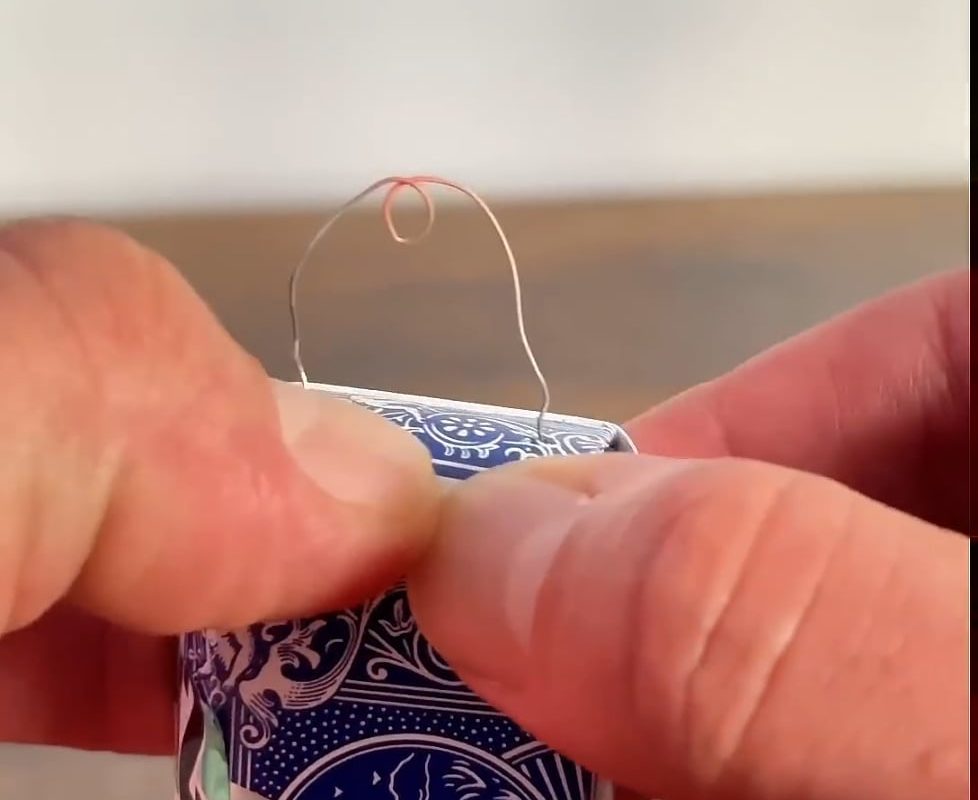
How to make a Jailhouse style lighter
Title: Understanding Jailhouse Lighters: History, Risks, and Legal Alternatives
Meta Description: Learn about the history and dangers of makeshift “Jailhouse style” lighters, why they are unsafe, and legal alternatives for ignition needs.
Introduction
A “Jailhouse lighter” is a makeshift ignition device historically crafted by incarcerated individuals to create fire using limited resources. While the topic is often explored out of curiosity or fascination with improvised survival techniques, it’s critical to emphasize that replicating these devices poses serious safety risks, legal consequences, and ethical concerns. This article explores the history behind Jailhouse lighters, the dangers of DIY attempts, and safe, legal alternatives for everyday needs.
What is a Jailhouse Lighter?
Also known as a “prison lighter” or “electric lighter,” this device typically uses basic components like batteries, thin wires, or conductive materials (e.g., steel wool or foil) to generate heat through electrical resistance. When a circuit is completed between a battery’s terminals, the conductive material heats up and can ignite flammable tinder (e.g., toilet paper or cotton).
Historical Context:
These improvised tools emerged in environments where access to standard lighters, matches, or open flames was restricted. Though they demonstrate human ingenuity under constraints, they are notoriously unreliable and hazardous.
Why Jailhouse Lighters Are Dangerous
-
Fire and Burns:
- Short-circuiting batteries generates extreme heat rapidly. Mishandling can lead to severe burns or uncontrolled fires.
- Flammable materials (e.g., bedding or clothing) can easily catch fire in confined spaces.
-
Explosion Risk:
- Overheating batteries (especially lithium-ion) can rupture, releasing toxic chemicals or causing explosions.
-
Legal Repercussions:
- Possessing or creating makeshift incendiary devices may violate prison regulations or state/federal laws governing contraband.
-
Health Hazards:
- Inhaling fumes from burning synthetic materials (e.g., melted plastic or foil) can cause respiratory harm.
Legal and Safer Alternatives
Instead of attempting dangerous DIY methods, opt for these legal, affordable, and reliable tools:
-
Budget-Friendly Lighters:
- Disposable butane lighters cost as little as $1–$2 and are widely available.
- Electric arc lighters (USB-rechargeable) are flameless and windproof.
-
Matches:
- Waterproof matches or strike-anywhere matches work reliably for camping or emergencies.
-
Solar Ignition Tools:
- Use a magnifying glass or parabolic mirror to focus sunlight on tinder (a safe wilderness-survival method).
-
Fire Starter Kits:
- Ferrocerium rods (e.g., “fire steels”) create sparks without batteries or flame.
Ethical Considerations
Promoting improvised tools associated with incarceration glamorizes unsafe practices and disregards the harsh realities of prison life. Instead of focusing on workarounds born of necessity, prioritize:
- Safety education: Learn fire-making skills through controlled, supervised environments.
- Advocacy: Support organizations improving conditions for incarcerated individuals.
Conclusion
While Jailhouse lighters underscore human adaptability, replicating them is not advisable, legal, or worth the risks. Modern, affordable fire-starting tools provide safer, eco-friendly, and dependable alternatives for everyday use or emergencies. Always prioritize safety, legality, and ethical responsibility when handling ignition sources.
Keywords for SEO: Jailhouse lighter, prison lighter, DIY fire starter, makeshift lighter dangers, safe fire-making, electric lighter risks, legal fire tools, survival skills, prison contraband.
Note to Readers: This article is for informational purposes only. Never attempt to recreate unsafe or illegal devices. Consult local regulations and use authorized equipment for fire-related needs.
![Jesse Owens salutes during the presentation of his gold medal for the long jump, after defeating Germany’s Lutz Long during the 1936 Summer Olympics in Berlin (1936) [Colourised]](https://www.smartplusmedia.com/wp-content/uploads/2026/01/Jesse-Owens-salutes-during-the-presentation-of-his-gold-medal-445x265.jpeg)