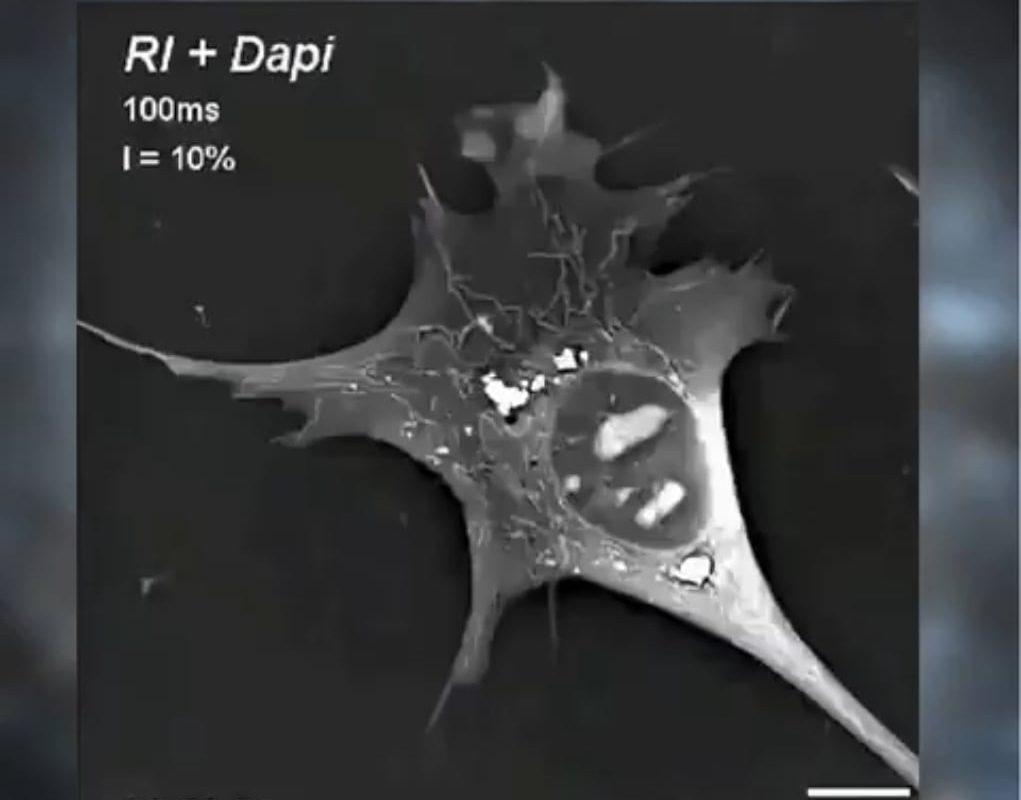
A cell going Apoptosis
Understanding Apoptosis: The Vital Process of Programmed Cell Death
Meta Description: Discover the role of apoptosis in human health—how cells self-destruct to maintain balance, prevent disease, and sculpt our bodies. Learn why this cellular “suicide” is essential for life.
What Is Apoptosis?
Apoptosis, often called programmed cell death, is a tightly controlled process in which cells systematically self-destruct. Unlike necrosis (accidental cell death due to injury), apoptosis is a natural, orderly mechanism essential for development, immunity, and tissue homeostasis. Without it, organisms would face uncontrolled cell growth (like cancer) or fail to eliminate malfunctioning cells.
Why Do Cells Undergo Apoptosis?
Cells don’t die without reason. Apoptosis occurs in critical scenarios:
- Development: Sculpting organs (e.g., removing webbing between fetal fingers).
- Damaged Cells: Eliminating DNA-damaged or infected cells to prevent disease.
- Immune Regulation: Killing off autoreactive immune cells to avoid autoimmune disorders.
- Tissue Balance: Maintaining optimal cell numbers (e.g., intestinal lining renewal).
The Apoptosis Process: A Step-by-Step Breakdown
Apoptosis follows two primary pathways, both activating caspases—enzymes that dismantle the cell:
1. Extrinsic Pathway
- Trigger: External signals like cytokines bind to “death receptors” (e.g., Fas) on the cell membrane.
- Activation: Caspases activate, initiating self-destruction.
2. Intrinsic Pathway
- Trigger: Internal stress (DNA damage, oxidative stress).
- Process: Mitochondria release cytochrome c, which activates caspases via the Bcl-2 protein family (key apoptosis regulators).
Key Phases of Apoptosis:
- Signaling: Detection of death signals.
- Execution: Cell shrinks, chromatin condenses, DNA fragments.
- Removal: Formation of apoptotic bodies engulfed by macrophages.
Apoptosis vs. Necrosis: What’s the Difference?
| Apoptosis | Necrosis |
|---|---|
| Controlled process | Accidental death from trauma |
| No inflammation | Causes inflammation |
| Cell shrinkage, orderly | Cell swelling, rupture |
| Benefits the organism | Harms surrounding tissue |
Why Apoptosis Matters for Health
Dysregulated apoptosis contributes to major diseases:
- Too Little Apoptosis: Cancer (survival of damaged cells), autoimmune disorders.
- Too Much Apoptosis: Neurodegeneration (Alzheimer’s, Parkinson’s), heart damage post-heart attack.
Real-World Examples:
- Cancer Therapy: Drugs like chemotherapy induce apoptosis in tumor cells.
- Sunburn Peeling: Apoptosis removes UV-damaged skin cells.
How to Support Healthy Apoptosis
While apoptosis is genetically controlled, lifestyle choices influence it:
- Diet: Antioxidants in berries and greens reduce oxidative stress.
- Exercise: Promotes mitochondrial health, aiding apoptosis regulation.
- Avoid Toxins: Limit exposure to pollutants and smoking, which disrupt cell death pathways.
Key Research & Future Directions
Scientists are exploring:
- Targeted Apoptosis Therapies: For cancer and autoimmune diseases.
- Apoptosis Biomarkers: Early detection of apoptosis-linked disorders.
FAQs About Apoptosis
Q: Can apoptosis be reversed?
A: No—once caspases activate, the cell is committed to death.
Q: Do all cells undergo apoptosis?
A: No. Long-lived cells (neurons, heart cells) rarely apoptose unless stressed.
Conclusion
Apoptosis isn’t a failure—it’s a vital self-sacrifice for the body’s greater good. By understanding this process, we unlock insights into treating diseases and optimizing health. Stay curious, and let science reveal how even cellular death sustains life.
Keywords: Apoptosis process, programmed cell death, apoptosis pathways, caspase activation, apoptosis vs necrosis, cell death regulation, apoptosis in cancer, mitochondria apoptosis, intrinsic pathway apoptosis.