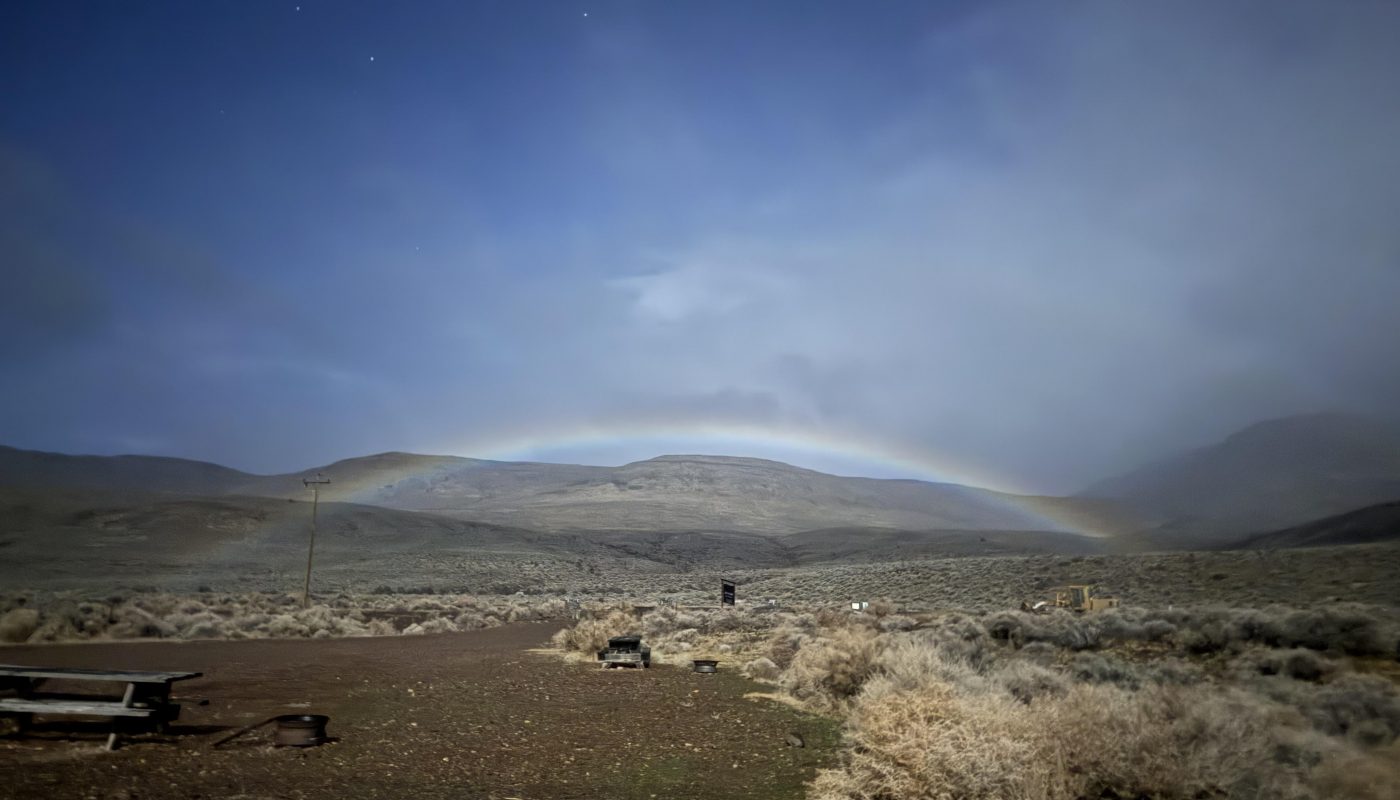
A double lunar rainbow
Title: Double Lunar Rainbows: Nature’s Rarest Night Sky Phenomenon Unveiled
Meta Description: Discover the magic of double lunar rainbows – what causes them, where to find them, and how to photograph these elusive night sky wonders.
What Is a Double Lunar Rainbow?
A double lunar rainbow, or “moonbow,” is one of nature’s most ethereal spectacles: a rainbow formed not by sunlight, but by moonlight. Unlike their daytime counterparts, moonbows appear as ghostly arcs of pale light, often silvery-white due to the dimmer intensity of moonlight. When conditions align perfectly, a double lunar rainbow emerges—two concentric arcs shimmering faintly against the night sky.
This rarity occurs when moonlight refracts twice within water droplets, creating a secondary bow outside the primary one. While daytime rainbows dazzle with vivid colors, lunar rainbows are subtler, their hues often blurred by darkness. Capturing this phenomenon requires patience, perfect timing, and minimal light pollution.
How Is a Double Lunar Rainbow Formed?
The science behind moonbows mirrors that of solar rainbows, governed by refraction, reflection, and dispersion:
- Moonlight Refraction: Moonlight passes through water droplets in the air (e.g., rain, mist, or waterfalls).
- Dispersion: Light bends (refracts) and splits into its component wavelengths.
- Double Reflection: For a double rainbow, light reflects twice inside droplets. The primary bow forms from one reflection, the secondary from two, reversing its color order (red on the inner edge for solar rainbows, though lunar variants may appear colorless).
Key conditions for visibility:
- A bright full moon (or near-full) for maximum illumination.
- Moisture in the air (rain, fog, or spray from waterfalls).
- Darkness – moonbows vanish under artificial or twilight light.
- The moon must be low in the sky (~42° or lower).
Where to See a Lunar Rainbow
Double lunar rainbows are exceptionally rare due to their stringent requirements. However, these locations offer higher odds:
1. Waterfall Hotspots
- Victoria Falls (Zambia/Zimbabwe): Famous for “moonbow nights” during full moons, when mist creates ideal conditions.
- Yosemite Falls (USA): Spring and early summer moonbows draw photographers to California’s national park.
- Cumberland Falls (Kentucky, USA): Dubbed the “Niagara of the South,” it’s a reliable moonbow destination.
2. Rainy Coastal or Highland Regions
Areas like Hawaii, Scotland, or Norway—where rain and clear nights coincide—increase chances.
3. Light Pollution-Free Zones
Remote areas like deserts (Atacama) or islands (La Palma) minimize artificial light interference.
Photographing a Double Lunar Rainbow: Expert Tips
Moonbows are notoriously dim, making photography challenging. Here’s how to succeed:
- Use a DSLR/Mirrorless Camera: Smartphones struggle in low light.
- Long Exposure Settings:
- ISO 1600–3200
- Aperture f/2.8 or wider
- Shutter speed: 15–30 seconds
- Sturdy Tripod: Eliminate blur from camera shake.
- Manual Focus: Autofocus fails in darkness; use live view to focus on the moon or distant light.
- Shoot RAW: Maximize editing flexibility for faint colors.
Pro Tip: Scout locations during daylight to compose your shot ahead of nighttime darkness.
Mythology & Cultural Significance
Lunar rainbows have inspired awe for millennia:
- In Japanese folklore, moonbows symbolize divine protection.
- Native American tribes viewed them as bridges between the physical and spiritual worlds.
- European sailors once considered them omens of turbulent weather.
Why Double Lunar Rainbows Are So Rare
- Moon Brightness: Only the fullest moons provide enough light.
- Weather Precision: Rain must fall opposite a low moon in complete darkness.
- Human Factors: Light pollution disrupts visibility for 80% of the global population.
Conclusion: Chase the Night’s Hidden Rainbow
Double lunar rainbows blend science, serendipity, and sheer natural beauty. By venturing to dark-sky havens during full moons, you might witness this celestial marvel—and with the right gear, immortalize it. Whether you’re a stargazer, photographer, or nature lover, the hunt for a moonbow promises an unforgettable adventure.
Ready to explore? Mark your calendar for the next full moon and head to a waterfall or wilderness. Nature’s night-time masterpiece awaits!
Keywords: double lunar rainbow, moonbow, lunar rainbow meaning, how to see a moonbow, night rainbow photography, Victoria Falls moonbow, rare natural phenomena, lunar rainbow vs solar rainbow.