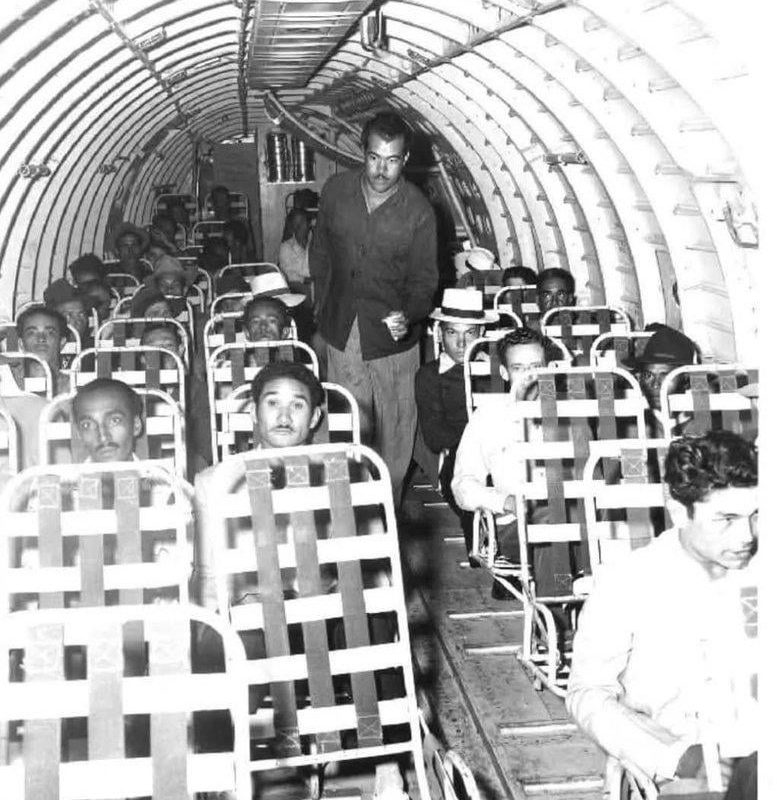
A flight from Puerto Rico to New York, 1946.
Title: The Historic 1946 Flight from Puerto Rico to New York: A Journey Through Post-War Aviation
Meta Description: Explore the fascinating story of air travel from Puerto Rico to New York in 1946. Discover the aircraft, airlines, passengers, and post-WWII innovations that defined this trans-Caribbean route.
The Dawn of Post-War Air Travel: Puerto Rico to New York in 1946
In 1946, the world was rebuilding after World War II, and commercial aviation was entering a golden age of innovation and accessibility. For Puerto Rico—a U.S. territory with deepening economic and cultural ties to the mainland—flights to New York City represented more than just transportation; they were a bridge to opportunity. Here’s a glimpse into what it was like to fly from San Juan to the Big Apple in 1946.
A New Era for Caribbean Aviation
After WWII, surplus military aircraft were repurposed for civilian use, and airlines expanded routes across the Americas. For Puerto Rico, this meant faster, more reliable connections to cities like New York, which had become a hub for the island’s growing diaspora.
Key Airlines Operating the Route:
- Pan American Airways (Pan Am): The dominant carrier for Caribbean routes, using iconic aircraft like the Douglas DC-4.
- Trans Caribbean Airways: A smaller airline founded in 1945, later vital for Caribbean-NYC routes.
Flights often included stops in Miami or Bermuda due to the limited range of planes like the DC-3 or DC-4. A non-stop flight from San Juan to NYC wouldn’t become routine until jet engines arrived in the late 1950s.
The Journey: What Passengers Experienced
A flight from Puerto Rico to New York in 1946 was an adventure marked by:
-
Long Travel Times:
- 8–16 Hours: Including stops, compared to 3.5 hours today.
- Multiple Takeoffs/Landings: Refueling stops added turbulence and fatigue.
-
Luxury (For the Few):
- First-class passengers enjoyed gourmet meals, plush seats, and personalized service.
- Coach seats resembled military transport benches—cramped and noisy.
-
No Frills, Few Rules:
- Smoking was permitted (often encouraged!) mid-flight.
- No seatbelts or safety demos; pilots sometimes welcomed visitors to the cockpit.
-
Cost:
- A one-way ticket averaged $150–$200 (≈ $2,000–$2,700 today), making air travel a luxury for business elites or wealthy families.
Why This Route Mattered
- Migration & Opportunity: The 1940s saw the first major wave of Puerto Ricans relocating to NYC, seeking jobs in manufacturing and hospitality. Affordable flights didn’t yet exist, but this route laid groundwork for the mass migration of the 1950s.
- Tourism & Trade: New Yorkers began vacationing in Puerto Rico’s tropical beaches, while islanders sourced goods from NYC department stores.
- Tech Milestones: The DC-4’s pressurized cabin (introduced in 1946) reduced turbulence and altitude sickness—revolutionizing comfort.
Challenges of 1940s Air Travel
- Weather Reliance: Navigational aids were rudimentary; pilots often relied on visible landmarks. Storms frequently caused delays.
- Safety Concerns: Engine failures were common, and crashes made headlines (like the 1946 Douglas DC-4 crash in Florida that killed 37).
- Weight Limits: Passengers faced strict baggage allowances—often just 30–40 lbs.
The Legacy
The Puerto Rico–New York air corridor of 1946 set the stage for today’s bustling routes flown by JetBlue, Delta, and United. It symbolized:
- Puerto Rico’s Integration: Strengthening ties between the island and mainland U.S.
- Aviation’s Democratization: By the 1950s, fares dropped, and flights grew safer and faster.
- Cultural Exchange: Nuyoricans—New Yorkers of Puerto Rican descent—emerged as a vibrant community, shaping music, food, and art in both locations.
Fly the Past: Visit These Air Museums
Relive 1946 aviation history at:
- Intrepid Sea, Air & Space Museum (NYC): Features a vintage DC-3.
- Luis Muñoz Marín International Airport (San Juan): Displays early aviation memorabilia.
Final Boarding Call
The 1946 flight from Puerto Rico to New York was far from glamorous by today’s standards, but it represented a giant leap in connecting people, economies, and dreams. Next time you board a 3-hour non-stop, remember the pioneers who endured propeller noise, bumpy skies, and marathon flights to make Caribbean air travel what it is today.
Keywords: Flight Puerto Rico to New York 1946, 1940s air travel, Post-WWII aviation, vintage flights, San Juan NYC flight history, Douglas DC-4, Pan Am flights.