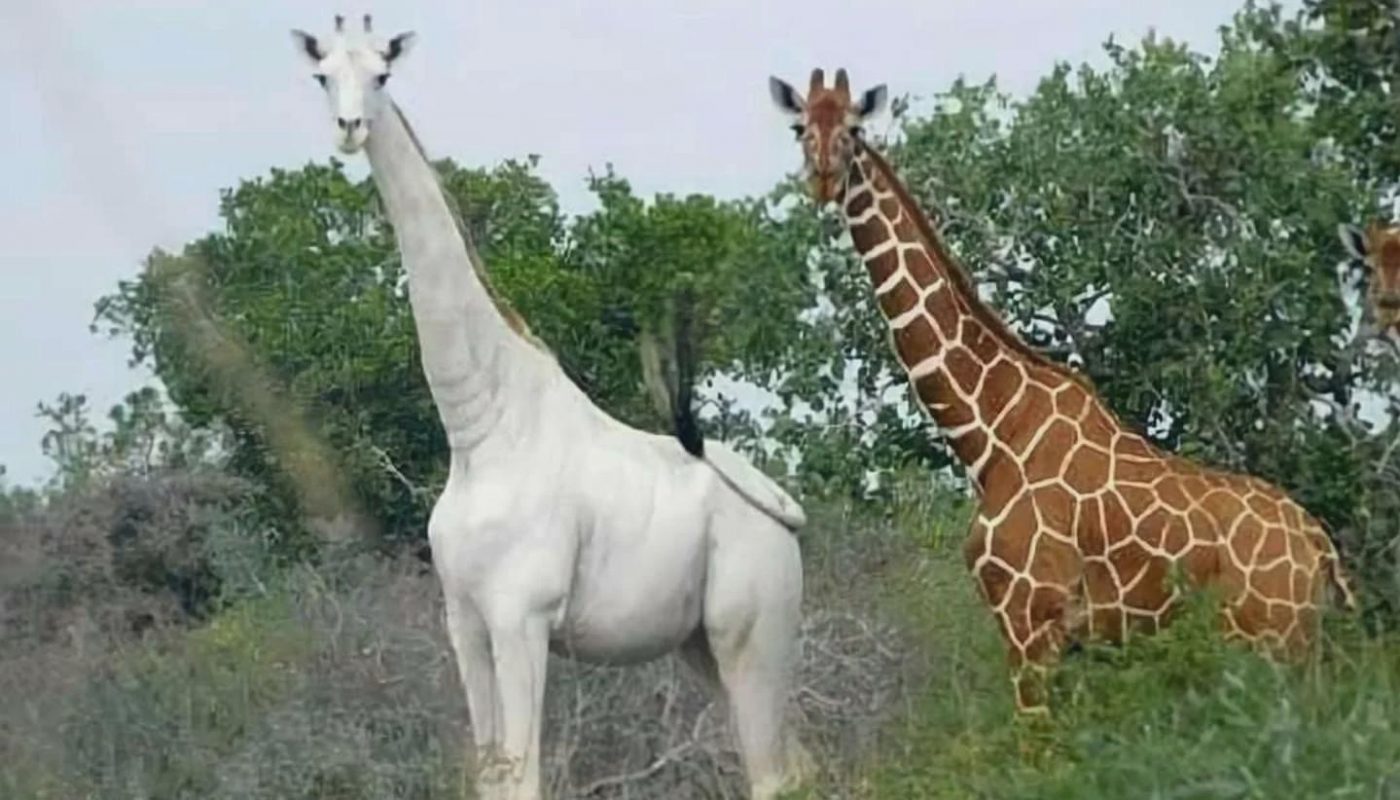
A giraffe with leucism turning it white one of the rarest animals on earth
Title: The Ghost of the Savannah: Meet the Leucistic Giraffe, One of Earth’s Rarest Animals
Meta Description: Discover the extraordinary white giraffe, a leucistic wonder defying nature’s palette. Learn why this rare creature is a symbol of genetic marvel and conservation urgency.
Introduction: A Living Mirage in the Wild
In the golden grasslands of Africa, where camouflage is key to survival, an ethereal creature stands out like a phantom: the leucistic giraffe. With its striking white coat contrasting against the savannah, this giraffe is not albino—it’s something even rarer. Documented only a handful of times worldwide, a giraffe with leucism is a living testament to nature’s unpredictability and a beacon for conservation efforts.
What Is Leucism? The Science Behind the White Giraffe
Leucism is a genetic condition that causes partial loss of pigmentation, resulting in pale, patchy, or entirely white skin, fur, or feathers. Unlike albinism (which removes all melanin and leaves animals with pink eyes), leucistic animals retain some pigment and often have normal eye color.
- Key Difference from Albinism:
- Albinos: No melanin, red/pink eyes, high sun sensitivity.
- Leucistic animals: Reduced pigment, dark eyes, less vulnerable.
For giraffes, leucism means their iconic orange-brown patches fade to creamy white, transforming them into “ghost giraffes” that rarely survive infancy due to increased visibility to predators.
Rarity on Hooves: Why White Giraffes Are Almost Mythical
Only a few leucistic giraffes have ever been recorded:
- Omo (Tanzania, 2015): A beloved subadult named after a local detergent brand for her bright white hue.
- Kenya’s Mother-and-Calf Pair (2017): A tragic loss—poachers killed them in 2020, highlighting their vulnerability.
Scientists estimate fewer than 10 exist globally, making them rarer than snow leopards or mountain gorillas. Their scarcity stems from:
- Predation: White coats make hiding from lions or hyenas nearly impossible.
- Genetic Rarity: Leucism requires both parents to carry recessive genes.
- Human Threats: Poaching and habitat loss further diminish their chances.
Omo’s Story: The World’s Most Famous White Giraffe
In Tarangire National Park (Tanzania), researchers spotted a juvenile giraffe in 2015 with a snow-white body and faint brown patches. Dubbed Omo by locals, she defied survival odds for nearly six years before her tragic disappearance in 2021, likely due to poaching. Her story went viral, uniting conservationists and underscoring the fragility of such anomalies.
Why Omo Mattered:
- Symbolized hope for genetic diversity in declining giraffe populations.
- Drew global attention to giraffe conservation (giraffe numbers have dropped 40% in 30 years).
Conservation Crisis: Protecting Nature’s Rarity
Leucistic giraffes aren’t just curiosities—they’re flagship species for broader wildlife protection. With giraffes facing “silent extinction” due to:
- Habitat fragmentation from agriculture and urbanization.
- Illegal hunting for bushmeat and trophies.
- Climate change disrupting food and water sources.
How You Can Help:
- Support NGOs like Giraffe Conservation Foundation or Wildlife Conservation Society.
- Advocate for stronger anti-poaching laws and habitat corridors.
- Share stories like Omo’s to raise awareness on social media.
Conclusion: A Beacon of Wonder in a Changing World
The leucistic giraffe is more than a rare sight—it’s a reminder of nature’s creativity and fragility. As land development and illegal hunting erode their world, safeguarding these “ghosts of the savannah” becomes a race against time. By protecting giraffes, we preserve the biodiversity that keeps our planet resilient—and ensure future generations might glimpse Earth’s living miracles.
Keywords for SEO:
White giraffe, leucistic giraffe, rare animals, leucism vs. albinism, Omo the giraffe, giraffe conservation, genetic anomalies in wildlife, endangered giraffes, Tarangire National Park, unique animals.
Image Alt Text Recommendations:
- “Leucistic white giraffe standing in Tanzanian savannah”
- “Omo the rare white giraffe compared to normal giraffe”
- “Leucism in wildlife: giraffe with partial pigmentation loss”
By weaving science, storytelling, and urgent calls to action, this article aims to rank highly while inspiring readers to protect Earth’s most vulnerable marvels.