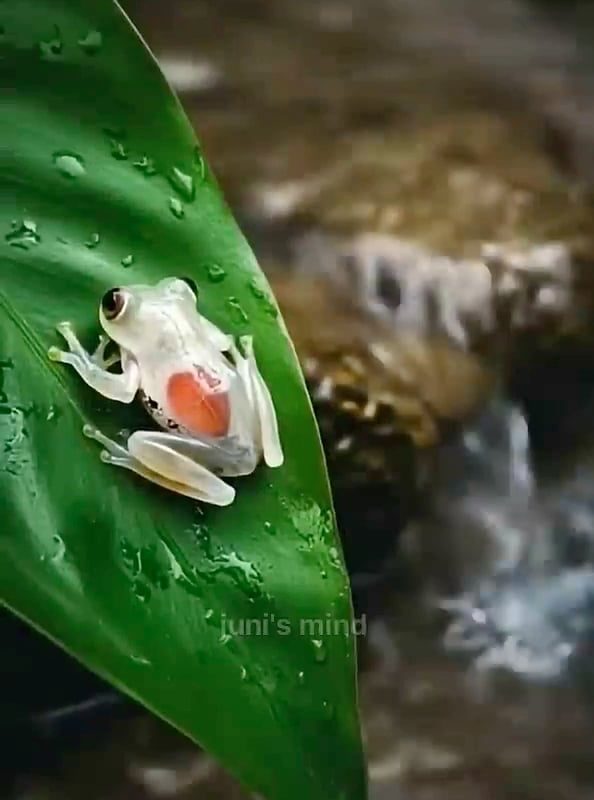
A glass frog with visible organs and a beating heart
Title: The Glass Frog: Nature’s Living X-Ray with Visible Organs and a Beating Heart
Meta Description: Discover the glass frog, an astonishing amphibian whose translucent skin reveals its internal organs—including a visibly beating heart. Explore its biology, habitat, and survival secrets.
Introduction
Imagine a creature so transparent that you can witness its heart pulsating, its stomach digesting food, and its intestines shimmering beneath its skin. Meet the glass frog (Centrolenidae), a remarkable amphibian that looks like it leaped straight out of a science-fiction film. Native to Central and South American rainforests, this see-through wonder offers scientists and nature lovers a rare glimpse into the inner workings of vertebrate life.
The Glass Frog’s Transparent Mystery: A Biological Marvel
Glass frogs owe their fame to their translucent underbelly and chest, which create a “window” to their vibrant organs. While their backs are typically leaf-green (for camouflage against predators), their ventral side is nearly invisible, revealing:
- A bright red heart, visibly pumping blood.
- A digestive system, including the liver, stomach, and intestines.
- Bones and muscles, appearing as faint outlines beneath the skin.
This transparency isn’t just for show—it’s a survival adaptation. When perched on a leaf, the frog’s see-through body blends seamlessly with its surroundings, making it nearly invisible to birds and snakes above.
How Does the Glass Frog’s “See-Through” Skin Work?
Scientists believe the frog’s lack of pigmentation in its ventral skin—combined with specialized tissue structures—allows light to pass through, creating the illusion of invisibility. Research also suggests their muscles and connective tissues are arranged in ways that reduce light scattering, enhancing transparency.
In 2022, a study published in Science revealed that glass frogs hide red blood cells in their liver while sleeping, making them even more transparent during rest. This unique ability helps them evade predators during daylight hours.
Habitat and Behavior: Life in the Rainforest Canopy
Glass frogs thrive in humid, high-elevation rainforests of Costa Rica, Ecuador, Colombia, and Panama. They’re nocturnal arboreal creatures, spending nights hunting insects like moths and spiders and hiding in foliage by day.
Key facts about their lifestyle:
- Mating Rituals: Males vocalize loudly to attract females, then guard fertilized eggs laid on leaves overhanging streams.
- Parental Care: Some species guard their eggs until tadpoles hatch and drop into water below.
- Size: Most are tiny—just 1–3 inches long!
Conservation Status: A Fragile Existence
Despite their extraordinary biology, glass frogs face threats from:
- Habitat loss due to deforestation.
- Climate change, disrupting their moisture-rich ecosystems.
- Pollution from agriculture and urbanization.
Over 60% of glass frog species are classified as endangered or vulnerable. Conservation efforts, such as protecting rainforest corridors and reducing pesticide use, are critical to their survival.
Why Glass Frogs Matter to Science
These amphibians aren’t just a curiosity—they’re living labs for biomedical research. Studying their transparent skin and unique blood-storage mechanism could inspire breakthroughs in:
- Anti-coagulant therapies (for blood clots).
- Organ transplant preservation techniques.
- Camouflage technology for military or medical applications.
How You Can Help Protect Glass Frogs
- Support Rainforest Conservation: Donate to nonprofits like Rainforest Trust or World Wildlife Fund.
- Choose Sustainable Products: Avoid palm oil and wood linked to deforestation.
- Spread Awareness: Share their story! The more people know, the better their chances of survival.
Conclusion: A Tiny Wonder Worth Protecting
The glass frog—with its beating heart on display—is a testament to nature’s creativity. As climate change and habitat destruction accelerate, safeguarding these delicate creatures becomes urgent. By understanding and advocating for them, we ensure future generations can marvel at their otherworldly beauty.
Call to Action:
Next time you see a viral video of a glass frog’s glowing heart, remember: this isn’t CGI magic—it’s real, fragile life fighting to endure.
Target Keywords:
glass frog, transparent frog, visible organs frog, beating heart frog, Centrolenidae, rainforest amphibians, translucent skin, endangered frogs
Internal/External Links (if applicable):
- Link to IUCN Red List page on glass frogs
- Rainforest Trust donation page
- Science study on glass frog transparency
Image Suggestions:
- Close-up of a glass frog on a leaf, highlighting its translucent belly.
- Slow-motion video of its heart beating.
- Infographic comparing glass frog anatomy to other frogs.
By blending science with storytelling, this SEO article aims to rank for niche keywords while educating readers about one of nature’s most astonishing creations. 🐸💚