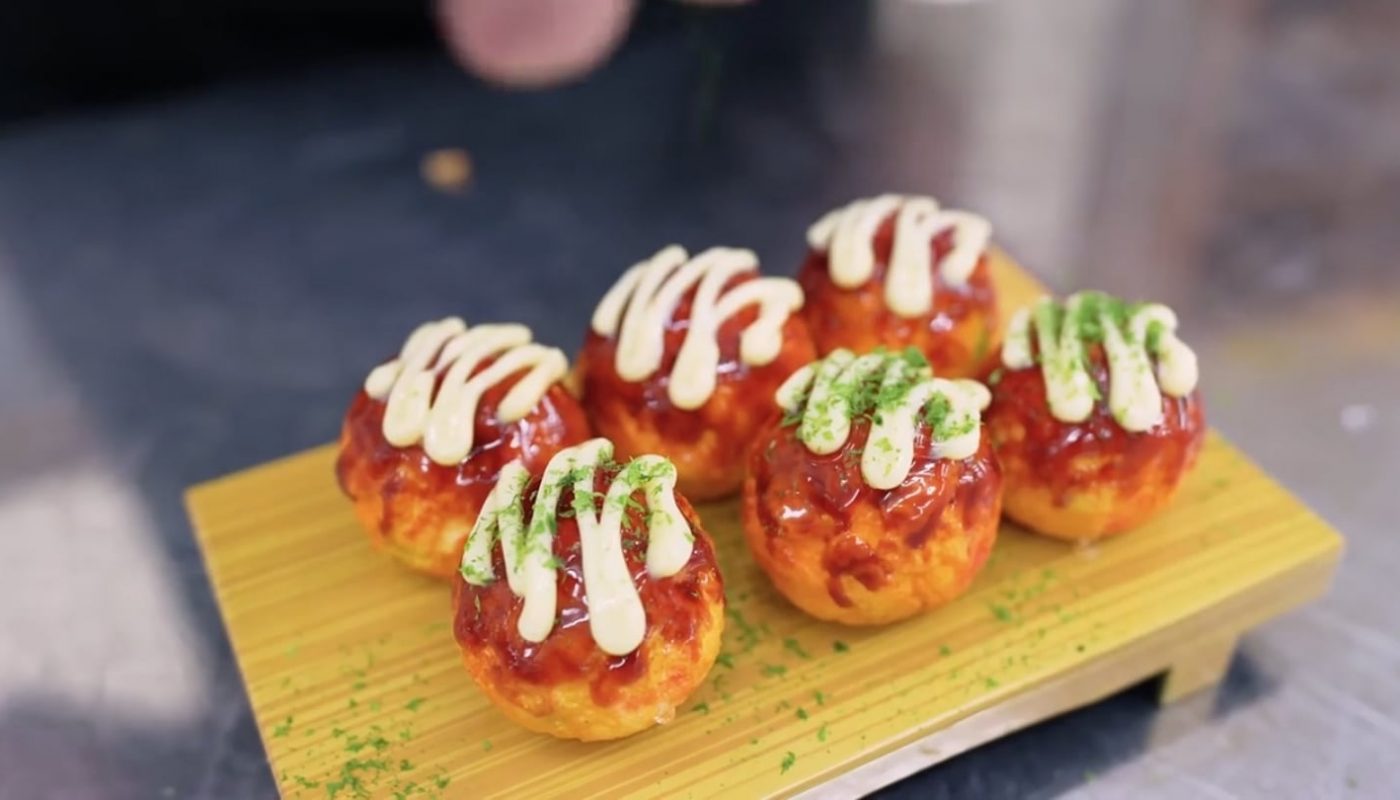
A glimpse at how some of the artificial food is created for storefronts in Japan
Japan’s Fake Food Craze: The Artistry Behind Restaurant Display Replicas
Walk past any restaurant in Japan, and you’ll likely spot shockingly realistic displays of ramen, sushi, or tempura behind glass windows. These mouthwatering visuals aren’t leftovers—they’re meticulously crafted artificial food models, known as sampuru (サンプル). A cornerstone of Japanese dining culture, these hyper-realistic replicas showcase menu items while luring hungry customers. But how exactly are they made? Let’s dive into the fascinating world of Japan’s fake food craftsmanship.
The Origins of Sampuru: A Century of Culinary Illusion
The history of Japanese fake food dates back to the 1920s when restaurants in Osaka began using wax models to display dishes. The trend exploded in the 1970s with the rise of family restaurants and plastic manufacturing. Today, sampuru is a multi-million-dollar industry, blending artistry with cutting-edge technology to create displays so convincing you’ll doubt your eyes.
Crafting the Illusion: How Sampuru Comes to Life
1. Master Mold Creation
The process often starts with real food. Chefs prepare an actual dish, which artisans use to make silicone or plaster molds. For soups or liquids, craftsmen pour resin into containers to capture the texture of miso broth or foamy beer.
2. Material Transformation
Traditional sampuru was wax-based, but today’s replicas use polyvinyl chloride (PVC) resin—a lightweight, durable plastic. The resin is melted, colored, and injected into molds. Once cooled, craftsmen extract the pieces (like individual shrimp tempura or lettuce leaves) for assembly.
3. Painting & Detailing: Where Magic Happens
This stage separates amateurs from masters. Artists hand-paint every detail:
- Grilled yakitori skewers get charred marks using airbrushed acrylics.
- Glossy sauces receive layers of clear resin for a “freshly poured” shine.
- Vegetables have subtle imperfections to mimic nature.
Some studios even use real spices (like sesame seeds) or embed tiny bubbles in drinks for realism.
4. Assembly & Finishing
Pieces are glued onto plates, often with tweezers under magnifying glasses. Artists ensure strategic placement—noodles drape “naturally,” fried items overlap chaotically, and garnishes appear casually scattered.
Modern Innovations: Keeping Tradition Alive
While handmade sampuru remains prized, 3D printing now aids complex designs (think intricate parfaits). Temperature-sensitive materials are also trending—some models “sweat” in summer displays! Workshops in Tokyo’s Kappabashi district even offer DIY classes for tourists.
Why Japan Perfected Fake Food
- Cultural Logic: With many customers unable to read Japanese menus, visual menus eliminate language barriers.
- Hygiene & Durability: Unlike real food, replicas don’t spoil and withstand years of display.
- Marketing Mastery: A sizzling plastic okonomiyaki (pancake) triggers cravings better than any photo.
Where to Experience Sampuru in Japan
- Kappabashi Street (Tokyo): The epicenter of fake food, with shops selling everything from $10 keychains to $1,000 custom displays.
- Sampuru-ya Workshop (Gifu): Try making your own tempura replica under expert guidance.
- Iwasaki Mokei (Osaka): One of Japan’s oldest sampuru manufacturers, offering factory tours.
Beyond Restaurants: Sampuru in Pop Culture
Japan’s fake food frenzy spills into souvenirs (earrings shaped like sushi), miniaturized collectibles, and even TV competitions where artists race to sculpt fake ramen.
Final Bite
Japan’s artificial food industry isn’t just about imitation—it’s a celebration of meticulous craftsmanship, cultural ingenuity, and the joy of visual storytelling. Next time you’re in Japan, take a closer look at that perfect bowl of plastic ramen. You’re not just seeing a menu item; you’re witnessing a century-old art form perfected to make your stomach growl on command!
Keywords for SEO:
Japanese fake food, sampuru creation, how sampuru is made, food replicas Japan, Kappabashi Street Tokyo, artificial food models, Japanese restaurant displays, plastic food art, food model workshops, Japanese culinary culture