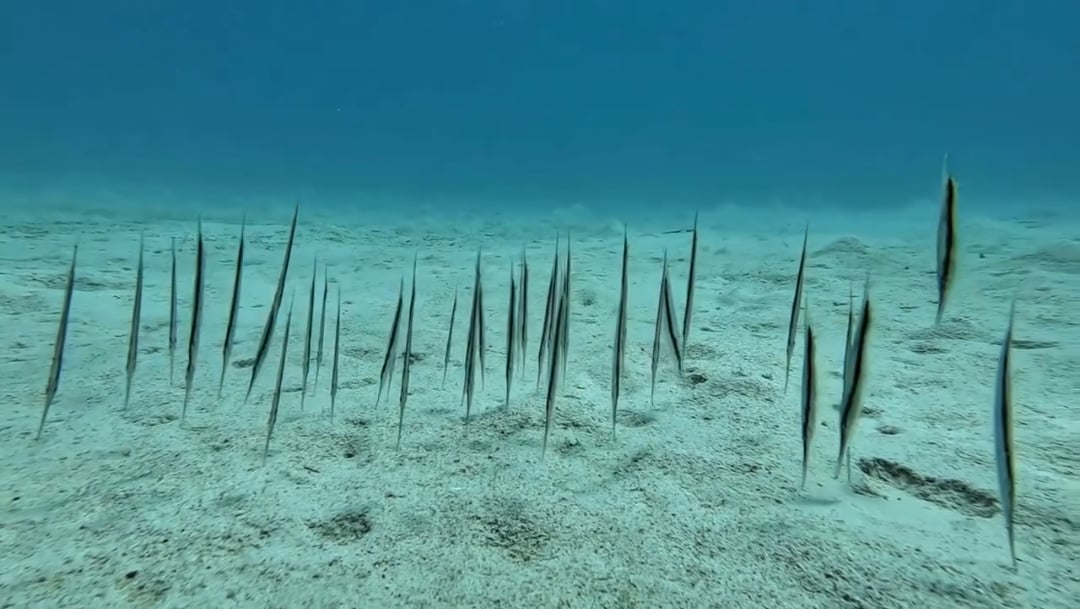
A group of Grooved Razorfishes
Title: “Discover the Grooved Razorfish: Biology, Habitat, and Ecological Role”
Meta Description: Dive into the world of Grooved Razorfishes (Xyrichtys novacula)! Explore their unique features, sandy habitats, behaviors, and conservation status.
The Grooved Razorfish: Masters of Sand and Sea
The ocean’s sandy floors are home to some of the planet’s most elusive and fascinating creatures. Among them is the Grooved Razorfish (Xyrichtys novacula), a small but extraordinary fish known for its sleek body, vibrant colors, and remarkable ability to vanish into the seabed. Whether you’re a marine enthusiast, diver, or conservationist, this guide delves into the biology, habitat, and ecological importance of these captivating fish.
What Are Grooved Razorfishes?
Grooved Razorfishes, also called “pearly razorfishes” or “sand wrasses,” belong to the wrasse family (Labridae). These slender fish grow up to 30 cm in length and are easily recognized by:
- Distinct “Grooved” Profile: A sharp, knife-like snout ideal for diving into sand.
- Vivid Colors: Males display electric blues and pinks during breeding; females and juveniles are paler.
- Flat Bodies: Compressed laterally for effortless sand burrowing.
Their name originates from blade-like heads, which they use to plunge headfirst into sediment at lightning speed when threatened—a behavior that leaves predators baffled.
Habitat: Where Do Grooved Razorfishes Live?
These fish thrive in shallow, sandy coastal zones (5–20 meters deep) across warm temperate and tropical waters, including:
- The Mediterranean Sea
- Caribbean reefs and lagoons
- The Eastern Atlantic (Azores to Angola)
- Western Atlantic (Bermuda to Brazil)
Preferred Habitat:
- Sandy patches near coral reefs or seagrass beds.
- Sheltered bays with minimal wave action.
Grooved Razorfishes rely on loose sediments to escape predators like barracudas and moray eels.
Behavior & Diet: Secrets of a Sand Diver
1. Social Structure
- Typically solitary or found in loose, small groups.
- Males exhibit territorial behavior, especially during breeding.
2. Feeding Habits
As opportunistic carnivores, they prey on:
- Small crustaceans
- Mollusks
- Polychaete worms
Using sharp teeth, they snap up buried invertebrates stirred up by their sand-diving antics.
3. Breeding & Lifespan
- Protogynous Hermaphrodites: Many start life as females, transitioning to males later.
- Spawning occurs in summer; eggs drift in open water.
- Lifespan: 5–8 years in the wild.
Conservation Status & Threats
Listed as Least Concern by the IUCN, Grooved Razorfishes face growing pressures:
- Habitat Loss: Coastal development and seabed trawling degrade sandy habitats.
- Aquarium Trade: Demand for colorful wrasses threatens wild populations.
- Climate Change: Warming oceans disrupt breeding cycles and food sources.
Conservation Actions:
- Marine Protected Areas (MPAs) to safeguard reefs and sand zones.
- Sustainable fishing regulations.
Human Interaction & Fun Facts
- Diving Encounters: Snorkelers often spot them hovering vertically above sand, mimicking twigs.
- Fishing Risks: Though not widely eaten, they’re accidentally caught in nets targeting shrimp or squid.
- Fun Fact: Grooved Razorfishes can “play dead” by lying motionless on sand after diving!
Why Grooved Razorfishes Matter
These fish play a vital ecological role:
- Sediment Aerators: Burrowing oxygenates sand and recycles nutrients.
- Prey Species: Support larger reef predators.
- Bioindicators: Their health reflects coastal ecosystem stability.
Conclusion: Protecting the Razorfish Legacy
The Grooved Razorfish embodies the ocean’s delicate balance between beauty and survival. Through habitat conservation, responsible tourism, and research, we can ensure these enigmatic sand-divers thrive for generations. Next time you explore a tropical beach or coral reef, keep an eye out for these living blades of the sea—vanishing acts included!
SEO Keywords:
Grooved Razorfish, Xyrichtys novacula, pearly razorfish, sand wrasse, razorfish habitat, coral reef fish, sand-dwelling fish, marine conservation, wrasse species, ocean biodiversity
References (for user credibility):
- IUCN Red List
- NOAA FishWatch
- World Register of Marine Species
Optimize your marine knowledge with this deep dive into one of the ocean’s most elusive architects! 🌊🔍