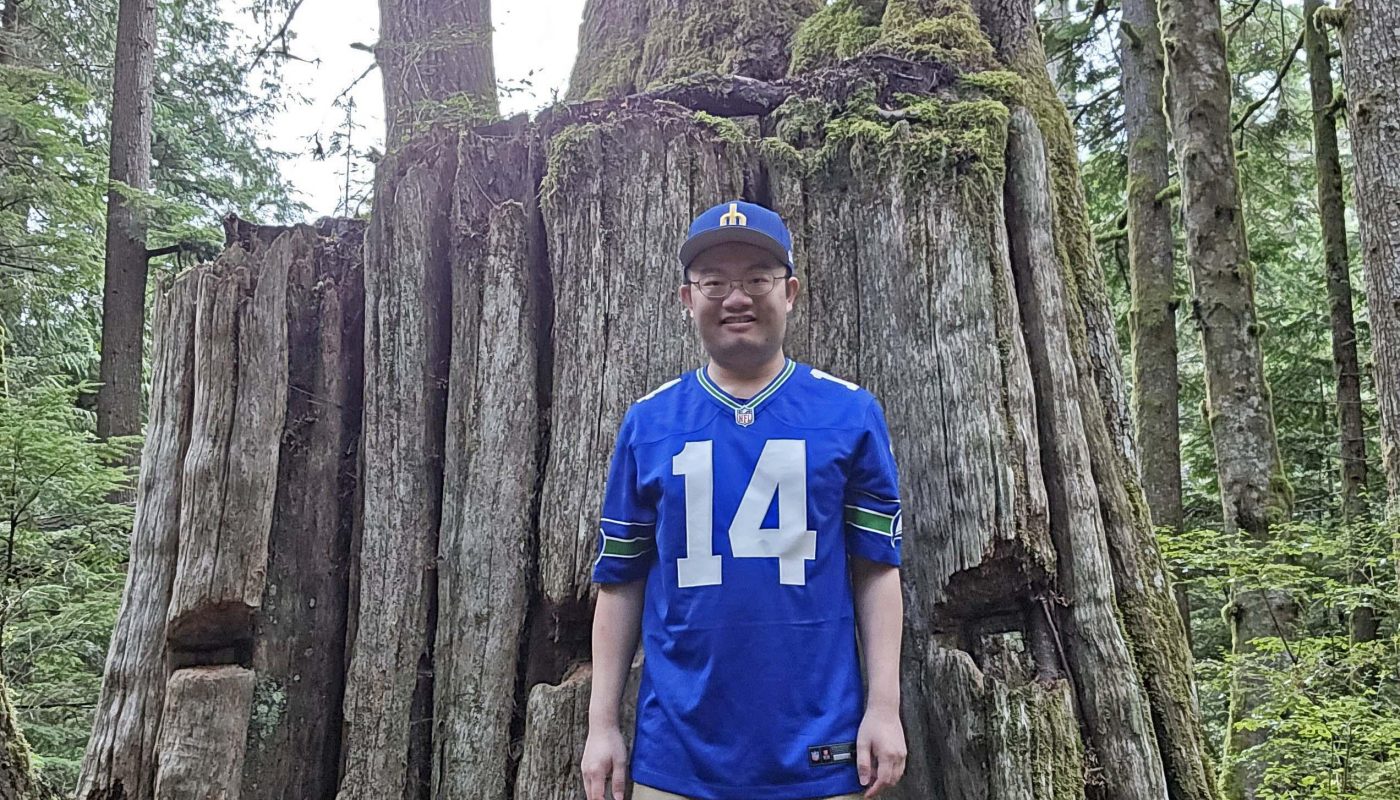
A large old growth tree stump with full grown trees growing on top of it
Title: Nature’s Remarkable Phoenix: Ancient Stumps Reborn as Thriving Tree Platforms
Meta Description: Explore the awe-inspiring phenomenon of old-growth tree stumps nurturing full-grown trees. Learn how these “natural nurseries” sustain biodiversity and embody forest resilience.
The Circle of Life: Old-Growth Stumps as Cradles for New Forests
In the shadowy depths of ancient forests, a breathtaking natural miracle unfolds: centuries-old tree stumps, long deceased but never forgotten, now host towering new trees on their decaying remains. These stumps—once giants felled by time, storms, or historical logging—transform into vibrant ecosystems, defying death by fostering life. This phenomenon, often seen in old-growth forests like the Pacific Northwest’s temperate rainforests, epitomizes nature’s ingenuity in regeneration.
Why Do Trees Grow on Stumps? The Science Behind “Nurse Logs”
When an ancient tree falls, its stump begins decomposing slowly, enriched by decades of nutrients. This decaying wood becomes a “nurse log” or “nurse stump”—a fertile platform for seedlings to take root. The process works because:
- Nutrient-Rich Foundation: As fungi and bacteria break down the stump, they release nitrogen, phosphorus, and other nutrients into the soil, creating an ideal nursery for saplings.
- Elevated Advantage: Growing atop a stump lifts young trees above forest-floor competition for sunlight and water.
- Symbiotic Networks: Underground mycorrhizal fungi bridge the stump and new trees, sharing resources and fortifying the entire system.
Over decades, new trees like hemlock, cedar, or spruce absorb the stump’s nutrients, their roots eventually enveloping it like a wooden embrace. The original stump may vanish entirely, leaving a hollow or lattice of roots where it once stood—a ghostly testament to the cycle of decay and renewal.
Ecological Superheroes: Why These Stumps Matter
Old-growth stumps sustaining new trees aren’t just curiosities—they’re pillars of forest health:
- Biodiversity Hotspots: Fungi, insects, mosses, and small mammals thrive in the moist, nutrient-dense microhabitat.
- Carbon Sequestration: Decomposition is slowed, locking carbon into the soil while new trees continue absorbing CO₂.
- Drought Resilience: Rotting wood retains moisture, shielding young trees during dry spells.
Without these stumps, forests lose a critical regeneration tool. Studies in Washington’s Hoh Rainforest show nurse stumps boost seedling survival rates by up to 70% compared to bare ground.
Where to Witness This Wonder (And How to Photograph It)
Iconic Locations:
- Hoh Rainforest, Olympic National Park (USA): Walk the Hall of Mosses Trail to see stumps draped in green, crowned with fir trees.
- Great Bear Rainforest, BC (Canada): Cedar stumps here sustain 100-foot-tall hemlocks.
- Tongass National Forest, Alaska (USA): Home to 1,000-year-old nurse stumps.
Photography Tips:
- Use Soft Light: Overcast days reduce shadows, highlighting textures.
- Focus on Contrast: Frame the stump’s rugged decay against young trees’ vitality.
- Get Low: Shoot upward to emphasize the trees’ height and the stump’s scale.
The Urgent Call for Conservation
Old-growth forests—and their nurse stumps—face threats from logging, climate change, and habitat fragmentation. Protecting these ecosystems is critical:
- Only 20% of the world’s original old-growth forests remain intact.
- Nurse-log regeneration can take centuries, making preservation non-negotiable.
Support organizations like Old-Growth Forest Network or Ancient Forest Alliance, and advocate for policies safeguarding ancient woodlands.
Conclusion: Lessons from Nature’s Phoenix
A stump reborn as a forest reminds us that destruction can seed rebirth. These living monuments teach resilience, interdependence, and the quiet power of time. As writer John Muir observed, “In nature, nothing is thrown away.” By protecting old-growth forests, we protect legacies—where every fallen giant holds the promise of new life.
FAQ Section
Q: How long does a nurse stump take to decompose?
A: Depending on the tree species and climate, decomposition can take 50–200 years.
Q: Can trees growing on stumps survive long-term?
A: Yes! If the stump provides steady nutrients, the new trees can mature into healthy, stable adults.
Q: Are these stumps common in all forests?
A: They’re most prevalent in damp, old-growth forests with abundant decay-tolerant species (e.g., cedar, hemlock).
Keywords for SEO: Nurse log, old-growth stump, forest regeneration, decaying tree ecosystem, canopy nurse log, Hoh Rainforest, old-growth conservation, nurse stump photography.
Optimize Your Content Further:
- Image Alt Text: “Ancient cedar stump supporting young hemlock trees in Hoh Rainforest”
- Internal Links: Connect to related articles on old-growth forests, mycorrhizal networks, or forest succession.
- External Links: Cite research from USDA Forest Service or Rainforest Trust.
By celebrating these arboreal wonders, we champion the resilience of wild places—one extraordinary stump at a time. 🌲✨