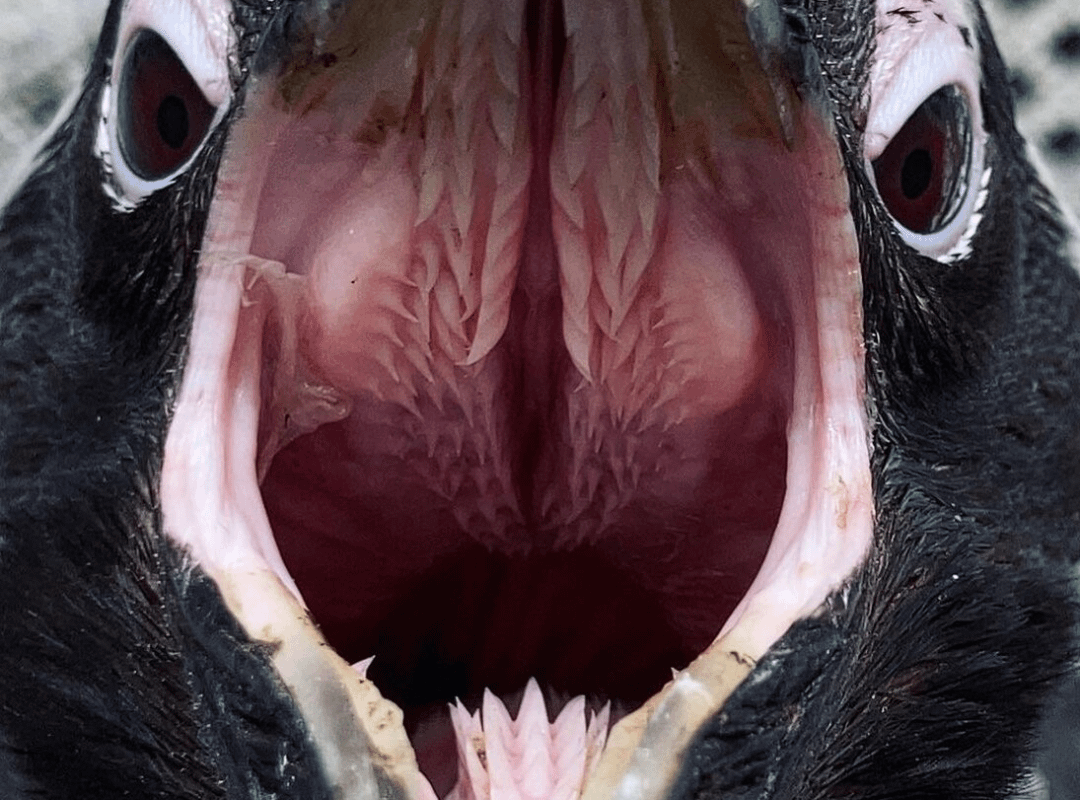
A look inside the mouth of a penguin.
Unlocking the Mystery: A Look Inside a Penguin’s Mouth
Discover the Surprising Adaptations Hidden in a Penguin’s Beak
Introduction
When picturing a penguin, you likely imagine its sleek feathers, comical waddle, or playful dive into icy waters. But have you ever wondered what lies inside a penguin’s mouth? Prepare to be amazed: penguins boast one of the most unique and bizarre oral structures in the animal kingdom—a landscape of backward-facing spines designed for survival in the harshest environments. In this deep dive, we explore the anatomy, purpose, and fascinating science behind the inside of a penguin’s mouth.
Anatomy 101: What Does a Penguin’s Mouth Look Like?
At first glance, a penguin’s beak appears unremarkable—sharp, strong, and suited for catching fish. But peek inside, and you’ll find a formidable array of papillae: stiff, spine-like structures lining the roof of their mouth, tongue, and throat.
Key Features:
- Backward-Facing Spines: These rigid, keratinized (think fingernail material) spikes curve toward the throat, creating a one-way path for prey.
- Color Variations: Ranging from pale pink to dark black, depending on species. Emperor penguins, for example, have stark black papillae contrasting against a pink mouth.
- Tongue Armor: Even penguin tongues are studded with spines, aiding in gripping slippery meals.
Why Do Penguins Have Spines in Their Mouths?
Evolution has equipped penguins with these specialized structures for critical reasons:
1. Trapping Slippery Prey
Penguins dine on fish, squid, and krill, all notorious for their escape tactics. The backward-facing spines act like conveyor belts, preventing prey from wriggling backward while guiding it toward the stomach.
2. Efficient Swallowing Underwater
Penguins hunt while swimming, often swallowing prey whole mid-dive. The papillae help direct food downward, minimizing choking risks in fast-paced underwater chases.
3. Defense Against Predators
While not sharp enough to harm humans, the spines may deter larger predators (like seals) by making penguins harder to grip or swallow.
4. Chick Feeding
Parent penguins regurgitate food for their chicks. The spines allow them to anchor and control fishy meals while transferring nourishment.
Species Spotlight: Variations Across Penguins
Not all penguin mouths are identical! Different species have adapted uniquely:
- Emperor Penguins: Long, pronounced papillae for gripping large fish.
- Little Blue Penguins: Shorter spines suited for smaller prey like krill.
- Rockhopper Penguins: Extra-rigid papillae to handle crustaceans with tough shells.
Common Myths Debunked
❌ Myth: “Penguins have teeth.”
Truth: Penguins lost their teeth millions of years ago. Spines are not teeth—they’re keratin structures for guiding food.
❌ Myth: “Penguins can bite humans.”
Truth: While their beaks are strong, penguins rarely bite unless provoked. The spines pose no danger (just avoid getting fish-slapped!).
Frequently Asked Questions
Q: Can penguins taste their food?
A: Research suggests penguins have limited taste buds, likely discerning salty vs. sour rather than complex flavors.
Q: How do chicks avoid injury from spines during feeding?
A: Parents expertly maneuver prey to avoid harming chicks—nature’s precision at work!
Q: Do penguins chew their food?
A: No! They swallow prey whole, relying on stomach acids and gizzard-like muscles to break it down.
Conclusion: A Marvel of Evolution
The inside of a penguin’s mouth is a testament to nature’s ingenuity—a built-in survival toolkit refined over millennia. Next time you see these charismatic birds, remember: behind that cute exterior lies a biomechanical wonder optimized for life in the wild.
Protect Penguins: Their unique adaptations mean nothing if habitats vanish. Support ocean conservation efforts to ensure penguins thrive for generations!
Meta Description:
Discover the hidden world inside a penguin’s mouth! Learn how spiny papillae help penguins survive, debunk myths, and explore jaw-dropping adaptations.
Target Keywords:
Penguin mouth, penguin teeth, inside penguin mouth, penguin papillae, penguin adaptations
Boost this article with high-quality images of penguin mouths (macro shots work great!) and links to trusted wildlife resources like the WWF Penguin Conservation Hub. Dive deeper into penguin biology with linked videos explaining their feeding habits! 🐧🔍