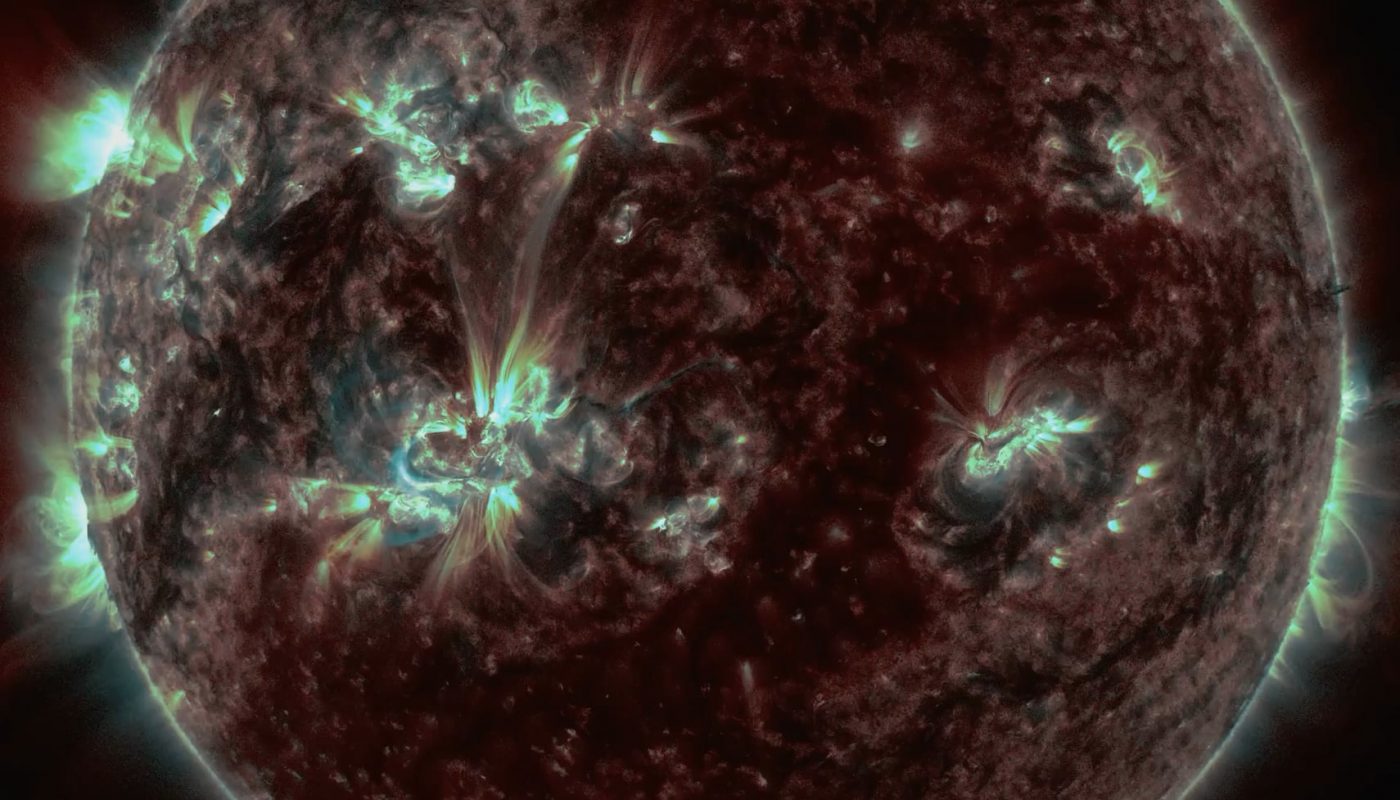
A major solar flare on the Sun today
A Major Solar Flare Erupts from the Sun Today: What You Need to Know
A powerful solar flare erupted from the Sun today, May 23, 2024, marking one of the most significant space weather events of the year. Classified as an X-class flare—the strongest category—this burst of electromagnetic energy has captured the attention of scientists, governments, and space weather enthusiasts worldwide. Here’s a breakdown of what happened, its potential impacts, and why it matters.
What Is a Solar Flare?
Solar flares are violent explosions on the Sun’s surface, caused by the sudden release of magnetic energy. They emit intense bursts of radiation across the electromagnetic spectrum, from radio waves to X-rays. Flares are categorized by strength:
- B-class: Weakest, minimal impacts.
- C-class: Moderate, common.
- M-class: Strong, can cause brief radio disruptions.
- X-class: Extremely powerful, with widespread effects.
Today’s flare was an X2.8-class eruption, making it nearly three times as intense as an X1 flare. It originated from Active Region 3664, a large sunspot cluster visible on the Sun’s western limb.
Immediate Effects of the Solar Flare
The flare triggered immediate space weather impacts:
- Radio Blackouts: The X-ray radiation ionized Earth’s upper atmosphere, causing a strong shortwave radio blackout over the sunlit side of Earth (including parts of the Americas and the Pacific). Aviation, marine, and emergency communication systems experienced disruptions.
- Radiation Risks: Astronauts aboard the International Space Station (ISS) were advised to shelter in shielded areas, and high-altitude flights were re-routed to reduce radiation exposure.
- Satellite Strain: Satellites in low-Earth orbit faced temporary glitches due to increased radiation, though no major failures have been reported.
Could This Trigger a Geomagnetic Storm?
Solar flares often accompany coronal mass ejections (CMEs)—massive clouds of magnetized plasma hurled into space. While not all flares produce CMEs, early data from NASA’s Solar Dynamics Observatory (SDO) suggests this event did launch a CME.
If the CME hits Earth, it could spark a G3 (Strong) to G4 (Severe) geomagnetic storm within 48–72 hours. Such storms may:
- Create stunning auroras visible at lower latitudes (e.g., northern U.S., Europe).
- Induce currents in power grids, causing localized outages.
- Disrupt GPS, radio, and satellite navigation systems.
NOAA’s Space Weather Prediction Center (SWPC) is closely monitoring the situation and will issue alerts as needed.
Why This Flare Matters
Today’s event underscores the growing importance of space weather preparedness:
- Solar Cycle 25: We’re nearing the solar maximum (predicted for 2025), meaning more frequent flares and storms.
- Modern Vulnerabilities: Our reliance on satellites, power grids, and GPS makes society more susceptible to solar activity.
- Scientific Opportunity: Flares provide critical data to improve solar forecasting models.
How to Stay Safe and Informed
- Monitor Official Sources: Check NOAA’s SWPC or NASA’s space weather pages for updates.
- Prepare for Power Fluctuations: Surge protectors for sensitive electronics are advisable.
- Aurora Watchers: Apps like Aurora Alerts can notify you of visible displays if a storm occurs.
Looking Ahead
While today’s flare is notable, experts reassure that Earth’s atmosphere and magnetosphere shield us from the worst effects. Long-term risks remain low, but agencies worldwide are enhancing early-warning systems to mitigate future threats.
Final Takeaway: This X-class flare is a potent reminder of the Sun’s raw power—a celestial event that blends awe-inspiring natural beauty with technological risk. Stay tuned to credible sources for real-time updates as the situation evolves.
FAQ
Q: Can this solar flare harm humans on Earth?
A: No. Earth’s atmosphere absorbs harmful radiation from flares. Only astronauts or high-altitude travelers face minor risks.
Q: Will my phone or internet stop working?
A: Unlikely. Major disruptions are rare, though GPS-dependent services (e.g., navigation apps) may experience brief glitches.
Q: How long do flare effects last?
A: Radio blackouts typically resolve in 30–60 minutes. CME-driven geomagnetic storms can persist for hours to days.
For live updates: