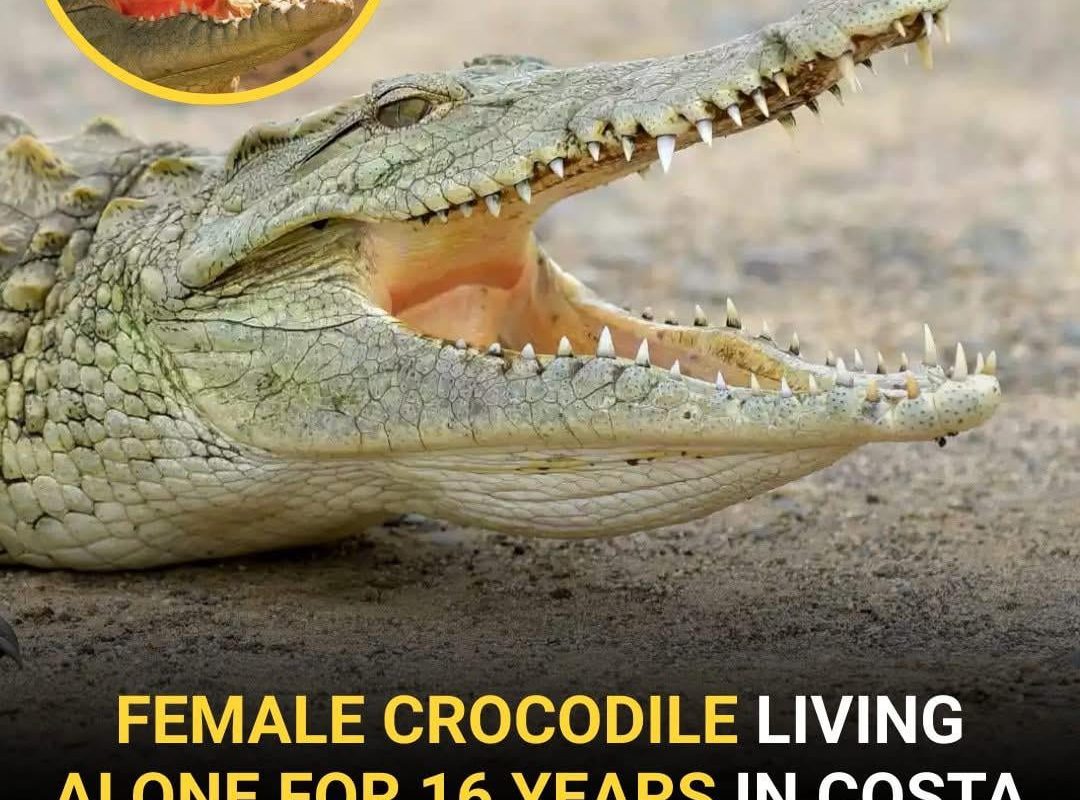
A phenomenon called facultative parthenogenesis, they were still born..
Unlocking the Mystery of Facultative Parthenogenesis: When “Virgin Births” Lead to Stillborn Offspring
For decades, the idea of a “virgin birth” seemed confined to mythology and religious texts. However, science has uncovered a rare but fascinating biological phenomenon called facultative parthenogenesis, where certain animals can reproduce asexually—without fertilization by a male. While this adaptation offers survival advantages in isolated environments, recent discoveries reveal a darker twist: in some cases, facultative parthenogenesis results in stillborn offspring, raising critical questions about its evolutionary purpose and limitations.
In this article, we’ll explore the science behind facultative parthenogenesis, examine cases where it tragically fails to produce viable young, and discuss what this means for conservation and biology.
What Is Facultative Parthenogenesis?
Facultative parthenogenesis (FP) is a rare reproductive strategy observed in some vertebrates, including sharks, snakes, lizards, and birds. Unlike obligate parthenogenesis (where species only reproduce asexually), facultative parthenogenesis is a backup system. Females of these species typically reproduce sexually but can switch to asexual reproduction under extreme conditions—like isolation from mates—triggering embryos to develop from unfertilized eggs.
How It Works:
- The female’s egg cell duplicates its own DNA, producing offspring with genes derived solely from the mother.
- This creates offspring that are half-clones of the mother, lacking genetic diversity.
The Tragic Outcome: Stillbirths in Facultative Parthenogenesis
While FP is a remarkable adaptation, it is not foolproof. Multiple documented cases reveal that offspring conceived through FP are often non-viable or stillborn. Here’s what scientists have learned:
1. Case Studies of Stillborn Offspring
- California Condors: In 2021, researchers confirmed two cases of FP-born condor chicks that died before hatching. Genetic testing revealed they were the result of asexual reproduction.
- Zebra Sharks: Aquarium studies found that while FP-produced shark pups often hatch, many die prematurely due to developmental defects.
- Komodo Dragons: Though FP offspring sometimes survive, inbred genetic weaknesses raise mortality risks.
2. Why Do Stillbirths Occur?
The lack of genetic diversity is the core issue. In sexual reproduction, genes from two parents create hybrid vigor, but FP offspring inherit only the mother’s DNA. This leads to:
- Homozygosity: Duplicated genes magnify harmful recessive traits.
- Developmental Errors: Vital processes like organ formation may fail without genetic “checks and balances.”
- Weakened Immunity: Stillborn or short-lived offspring often lack immune resilience.
The Evolutionary Paradox: Survival Strategy or Dead End?
FP seems like a lifesaver for endangered species or isolated females—think sharks in empty oceans or lizards on remote islands. So why does it so often fail?
- A Last-Ditch Effort: FP may only occur when no mates are available. It’s a reproductive “Hail Mary” that trades genetic fitness for short-term species survival.
- Evolutionary Trade-Off: A stillbirth is better than no birth at all in dire scenarios, allowing populations to persist until sexual reproduction resumes.
- Genetic Dead End: FP offspring that do survive often face reduced lifespans or infertility, limiting long-term viability.
Implications for Conservation and Research
The rise of FP stillbirths has critical lessons for wildlife management:
- Endangered Species: FP events in California condors and sharks highlight the fragility of small populations.
- Captive Breeding Programs: Zoos must recognize FP risks and prioritize genetic diversity.
- Climate Change Impact: Isolated habitats may force more FP attempts, potentially accelerating extinction risks.
Conclusion: A Fascinating but Flawed Phenomenon
Facultative parthenogenesis challenges our understanding of reproduction. While it showcases nature’s ingenuity in extreme scenarios, the frequency of stillborn outcomes reveals its limitations. For now, FP remains a double-edged sword—one that offers hope for species survival but often at a tragic cost.
As research continues, scientists aim to unravel why some FP offspring thrive while others perish, unlocking secrets that could reshape conservation biology and our grasp of life’s resilience.
Keywords for SEO: facultative parthenogenesis, virgin birth, asexual reproduction, stillborn offspring, evolutionary biology, California condors, zebra sharks, komodo dragons, genetic diversity, conservation science.
References: Scientific studies from journals like Nature, Journal of Heredity, and Conservation Genetics.