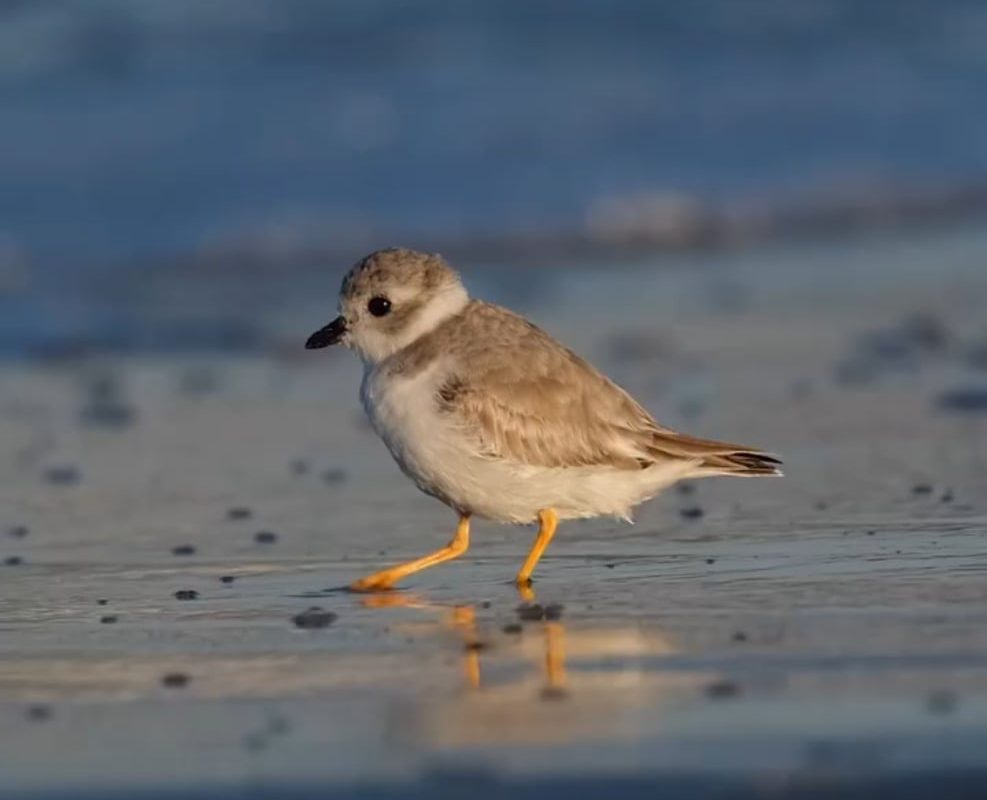
A piping plover doing its significance foot tapping dance
Title: The Piping Plover’s Foot-Tapping Dance: A Quirky Survival Strategy with Big Ecological Impact
Meta Description: Discover why the endangered piping plover’s unique foot-tapping dance is vital to its survival, ecosystem health, and coastal conservation. Learn how this tiny shorebird’s behavior impacts its world!
The Piping Plover’s Quirky Foot-Tapping Dance: More Than Just a Cute Move
Imagine walking along a windswept beach and spotting a small, sandy-colored bird frantically tapping its feet on the wet shore like it’s dancing to an invisible beat. This isn’t a random act—it’s the piping plover’s secret survival tactic, a behavior that highlights the incredible adaptability (and charm) of one of North America’s most threatened shorebirds.
What Is the Piping Plover’s Foot-Tapping Dance?
Piping plovers (Charadrius melodus) are petite, pale shorebirds known for their camouflaged plumage and distinctive “peep-lo” calls. But their most fascinating behavior is the “foot-tapping” or “foot-trembling” dance. Here’s how it works:
- The bird rapidly taps one foot (or occasionally both) on wet sand or mudflat surfaces.
- This mimics raindrops hitting the ground, tricking hidden prey like worms, crustaceans, and fly larvae into surfacing.
- The plover then snatches its unsuspecting meal, fueling up for migration, nesting, or chick-rearing.
This clever foraging technique is a blend of instinct and learned skill, critical for the plover’s survival in dynamic coastal ecosystems.
Why Do Piping Plovers Tap Dance? Science Explains
The foot-tapping dance isn’t just adorable—it’s a highly efficient hunting strategy backed by science:
- Prey Deception: Invertebrates like sandworms sense vibrations from the tapping and mistake them for rain, emerging to avoid drowning.
- Energy Conservation: Rather than wasting energy digging randomly, plovers “fish” smartly by letting prey come to them.
- Habitat Adaptation: This tactic works perfectly on sandy or muddy shores where prey hides just below the surface.
For a bird listed as endangered or threatened across much of its range (from the Great Lakes to Atlantic coasts), every calorie saved through this dance matters.
Why This Dance Matters for Coastal Ecosystems
The piping plover’s foot-tapping ritual isn’t just about meals—it’s a keystone behavior with ripple effects:
- Indicator Species: Healthy plover populations signal balanced, biodiverse beaches. Their decline often points to habitat degradation, pollution, or human disturbance.
- Prey Population Control: By feeding on burrowing invertebrates, plovers help maintain the delicate food web of intertidal zones.
- Ecotourism Value: Birdwatchers flock to coasts to witness this unique behavior, boosting local economies and conservation awareness.
Conservation Challenges: Protecting the Dance
Human activity threatens the piping plover’s survival—and its iconic dance:
- Beach Development: Coastal construction destroys nesting sites and disrupts foraging grounds.
- Recreational Pressures: Foot traffic, pets, and vehicles crush nests or scare birds away from critical habitats.
- Climate Change: Rising sea levels and storms erode beaches faster than plovers can adapt.
How You Can Help:
- Respect fenced nesting areas on beaches.
- Keep dogs leashed in shorebird habitats.
- Support organizations like the Audubon Society or U.S. Fish & Wildlife Service that monitor and protect plovers.
Final Thought: A Dance Worth Saving
The piping plover’s foot-tapping dance is a marvel of nature’s ingenuity—a tiny bird’s creative solution to survive in a harsh, changing world. By protecting these birds and their coastal homes, we’re not just saving a species; we’re preserving a delicate ecological ballet that has played out on shorelines for millennia.
Tags: Piping plover behavior, shorebird conservation, endangered species, bird foraging techniques, coastal ecosystems, wildlife ecology
Observe the foot-tapping magic responsibly! Check local guidelines before visiting piping plover habitats during nesting season (April–August).