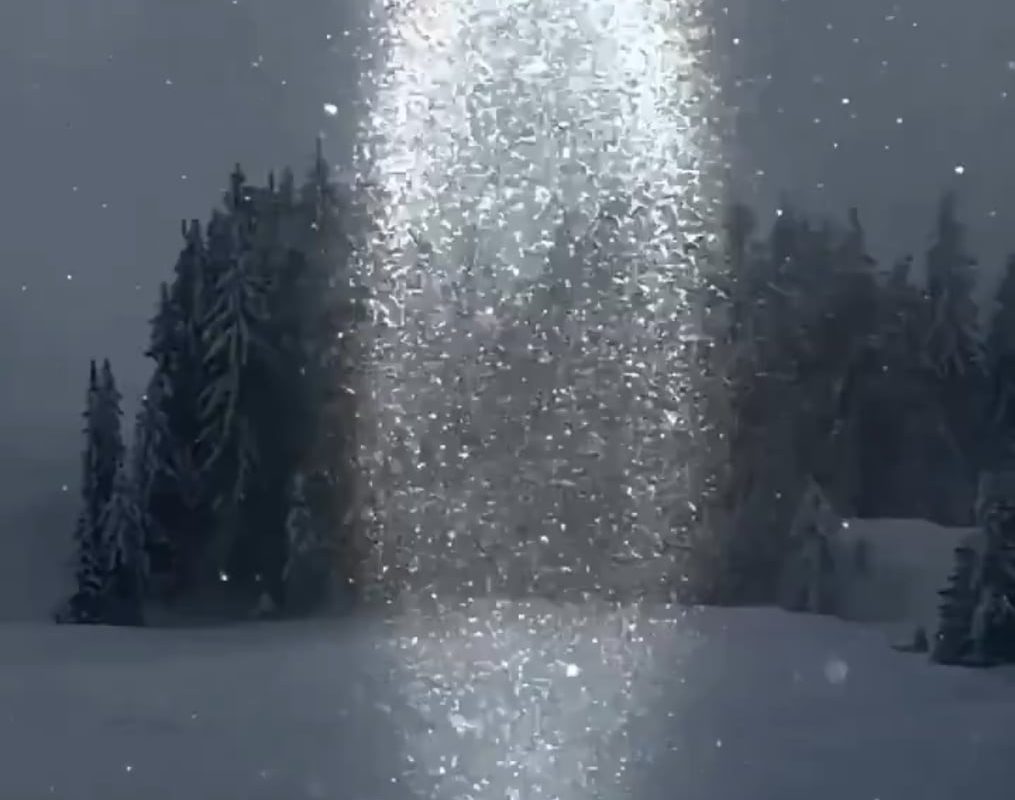
a rare sun candle caused by sunlight reflecting off countless tiny, flat ice crystals in the atmosphere
Sun Candle: Nature’s Dazzling Ice Crystal Light Show
Have you ever witnessed a vertical beam of light stretching upward (or downward) from the sun like a luminous celestial candle? This rare spectacle, often called a sun candle or sun pillar, is one of nature’s most mesmerizing atmospheric displays—and it’s created entirely by the delicate dance of sunlight and ice.
What Is a Sun Candle?
A sun candle is a vertical shaft of light that appears above or below the sun, especially during sunrise or sunset. Unlike rainbows or halos, which curve or circle the sun, sun candles stand like radiant columns. They occur when sunlight reflects off millions of flat, hexagonal ice crystals suspended in the atmosphere, typically within cirrus or cirrostratus clouds.
The Science Behind the Magic: How Sun Candles Form
Key Ingredients:
1️⃣ Flat, Plate-Shaped Ice Crystals: High-altitude ice crystals must be horizontally aligned (like falling leaves).
2️⃣ Low-Angle Sunlight: Occurs near sunrise/sunset when sunlight travels horizontally through more atmosphere.
3️⃣ Stable, Cold Air: Temperatures below -20°C (-4°F) create ideal crystal-forming conditions.
How It Works:
As sunlight hits the ice crystals’ surfaces, they act like tiny mirrors reflecting light downward (creating pillars below the sun) or upward (if crystals are above the sun). When countless crystals align, their collective reflections merge into a single glowing pillar visible to the naked eye.
Where & When to Spot a Sun Candle
- Best Locations: Cold climates (e.g., Scandinavia, Canada, polar regions) but can occur anywhere with freezing high-altitude clouds.
- Prime Time: 30 minutes before/after sunrise or sunset.
- Weather Conditions: Look for wispy cirrus clouds—sun candles often precede snowfall or temperature shifts.
Pro Tip: Sun pillars can also form around the moon (“moon pillars”) or streetlights during ice fog!
Sun Candle vs. Other Atmospheric Phenomena
| Phenomenon | Cause | Appearance |
|---|---|---|
| Sun Candle | Reflection off flat ice crystals | Vertical pillar of light |
| Sun Dog | Refraction through ice crystals | Bright spots flanking the sun |
| Solar Halo | Refraction in cirrus clouds | 22° ring around the sun |
| Light Pillar | Same as sun candle (often man-made) | Vertical beam from ground lights |
Cultural Significance & Folklore
Historically, sun candles inspired awe and symbolism:
- Viking lore interpreted them as Odin’s spear signaling divine favor.
- Some Native American tribes viewed them as spiritual pathways.
- Early sailors saw them as omens of changing weather.
How to Photograph a Sun Candle
- Use a tripod to stabilize shots in low light.
- Underexpose slightly to retain pillar details (auto exposure often overburns the light).
- Include foreground elements (trees, mountains) for scale and drama.
- Avoid staring directly at the sun—use your camera’s live view.
FAQs About Sun Candles
Q: How rare are sun candles?
A: Relatively uncommon but possible year-round in cold regions. Most frequent in winter.
Q: Can they appear in warm climates?
A: Yes! High-altitude clouds can form ice crystals even if ground temps are mild.
Q: Are sun candles linked to climate change?
A: No direct correlation—they’ve occurred for millennia.
Witnessing Nature’s Frozen Fire
Few sights rival the quiet grandeur of a sun candle—a fleeting alignment of ice, light, and perspective that transforms ordinary skies into art. Whether you’re a photographer, weather enthusiast, or simply a sky gazer, keep your eyes on the horizons during icy sunsets. You might just catch nature’s ephemeral candle burning brightly in the heavens.
Next time you see cirrus clouds at dusk, remember: The sky might be preparing a light show just for you. 🌅✨
SEO Optimization Notes:
- Target Keywords: Sun candle, sun pillar, ice crystal phenomenon, atmospheric optics.
- Readability: Short paragraphs, bullet points, and a comparison table boost engagement.
- Internal Linking Opportunity: Link to related articles (e.g., “What Causes Sun Dogs?” or “Winter Cloud Spotting Guide”).
- Image Suggestion: Include a high-res sun candle photo with alt text: “Vertical sun pillar caused by ice crystal reflection in cold air.”
- Shareability: Encourages social shares with vivid descriptions and photography tips.