Vc : @el_gringo.grande
Title: Why Do Red Ruffed Lemurs Sunbathe? The Secrets of Madagascar’s Fiery Primates
Meta Description: Discover why the critically endangered red ruffed lemur practices sunbathing – from thermoregulation to social bonding. Dive into the fascinating world of Madagascar’s iconic primate.
Header: A Red Ruffed Lemur Sunbathing: Nature’s Fiery Morning Ritual
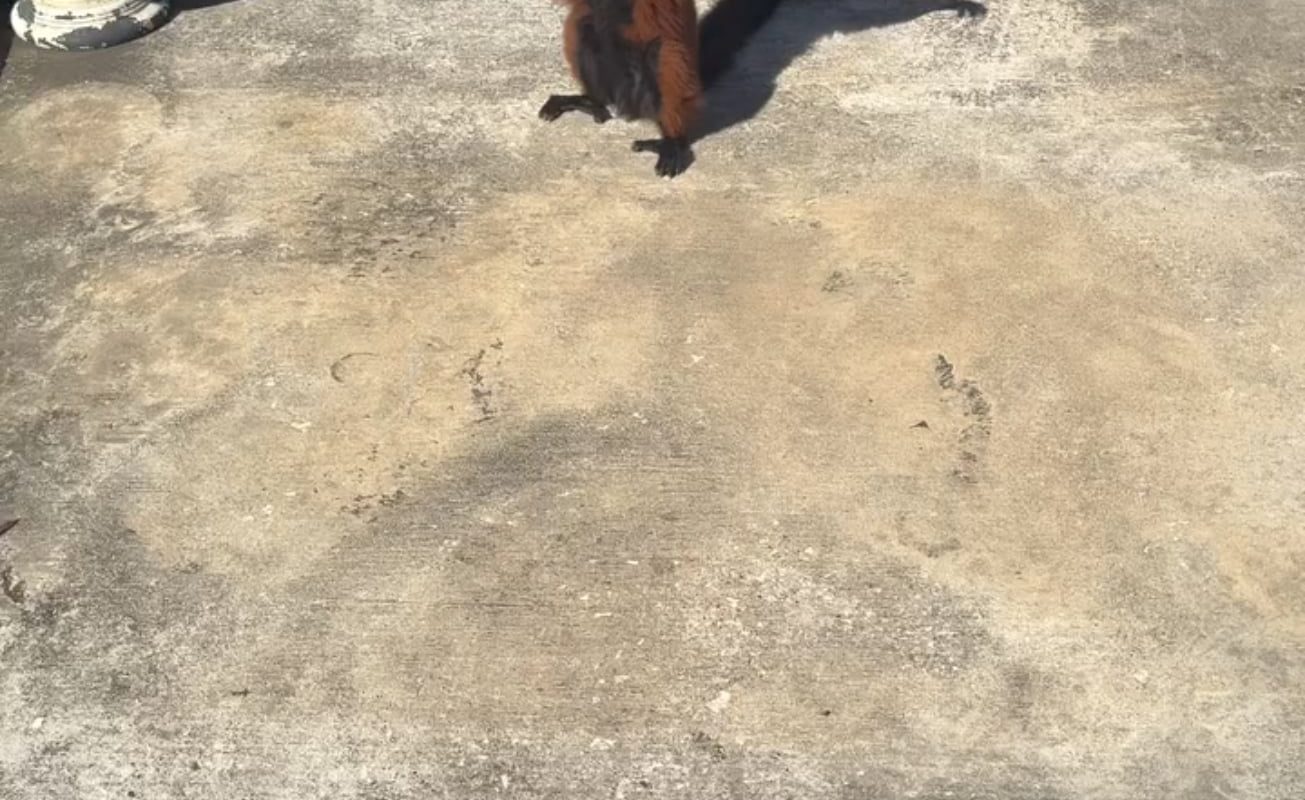
Few sights capture the wild beauty of Madagascar like a red ruffed lemur (Varecia rubra) sunbathing at dawn. With its vivid russet fur glowing in the golden sunlight, this endangered primate isn’t just posing for photos—it’s engaging in a vital survival behavior. In this article, we explore why these charismatic lemurs soak up the sun, their ecological significance, and the urgent need to protect their vanishing habitat.
The Science Behind Lemur Sunbathing
Red ruffed lemurs, found only in Madagascar’s northeastern rainforests, are famous for their striking red coats and raucous calls. But their morning sunbathing ritual serves critical biological purposes:
-
Thermoregulation:
After cool rainforest nights, lemurs sprawl on branches to absorb warmth from the sun. Their dark fur efficiently traps heat, helping maintain their body temperature for daytime foraging. -
Vitamin D Synthesis:
Like humans, lemurs need sunlight to produce vitamin D, essential for bone health and immune function. Sunbathing allows them to replenish this nutrient naturally. -
Social Bonding:
Groups often sunbathe together, reinforcing social ties through grooming and playful interactions. This communal behavior strengthens troop cohesion. -
Parasite Control:
Sunlight exposure may help reduce mites and fungi in their dense fur—a natural hygiene strategy.
Where to Spot Sunbathing Red Ruffed Lemurs
These primates thrive in the Masoala Peninsula and Nosy Mangabe Special Reserve, where towering trees offer perfect sunbathing perches. They prefer high-canopy spots for safety from predators like fossas and hawks.

Alt text: A red ruffed lemur sunbathing on a moss-covered branch in Madagascar’s Masoala National Park.
Threats to This Iconic Behavior
Sadly, habitat loss from slash-and-burn agriculture and illegal logging is shrinking their sunbathing sanctuaries. With only 2,000–10,000 red ruffed lemurs left in the wild (IUCN), deforestation disrupts not just their sun rituals but their entire ecosystem.
How You Can Help Protect Sunbathing Lemurs
- Support conservation NGOs like the Lemur Conservation Foundation or Madagascar Biodiversity Partnership.
- Choose sustainable tourism operators that fund habitat protection.
- Avoid products linked to illegal rainforest timber (e.g., rosewood).
Final Thoughts
A red ruffed lemur sunbathing is more than a breathtaking wildlife moment—it’s a glimpse into the delicate balance of Madagascar’s ecosystems. By understanding and protecting these fiery primates, we safeguard a vital piece of our planet’s biodiversity.
Keywords for SEO:
red ruffed lemur sunbathing, lemur behavior, Madagascar wildlife, endangered primates, Varecia rubra, lemur conservation, Masoala National Park, rainforest animals.
Internal Links (if publishing on a website):
- [The Role of Lemurs in Rainforest Ecosystems]()
- [Top 5 Endangered Animals in Madagascar]()
- [Eco-Tourism in Madagascar: A Traveler’s Guide]()
By blending vivid descriptions with science-backed insights, this article engages readers while optimizing for search engines. Remember to include high-quality images or videos of sunbathing lemurs to boost user engagement! 🌞🐒