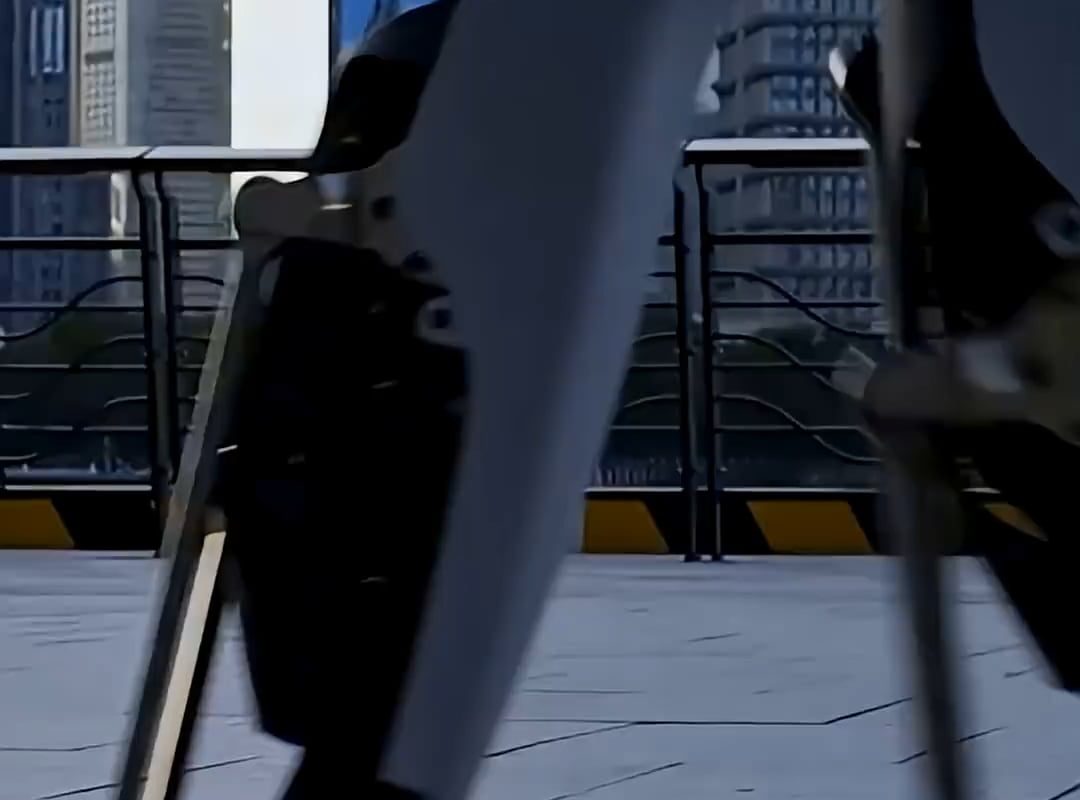
A robot walks record 106 kilometres all by itself
Title: Autonomous Marvel: Robot Shatters Record by Walking 106 Kilometers Unassisted
Introduction
In a landmark achievement for robotics, an autonomous robot named Ranger walked an unprecedented 106 kilometers (66 miles) without human intervention, redefining the limits of robotic endurance. Developed by engineers at Cornell University, this bipedal wonder completed the feat in just 30 hours and 49 minutes, showcasing groundbreaking strides in energy efficiency, mechanical design, and artificial intelligence (AI). This article unpacks how Ranger rewrote the rulebook for walking robots and what it means for the future of autonomous machines.
The Record-Breaking Feat: How Ranger Walked Farther Than Any Robot Before
On July 30, 2011, Ranger etched its name in robotics history by walking 106.6 kilometers at Cornell’s Barton Hall indoor track. Unlike remote-controlled or pre-programmed robots, Ranger relied entirely on self-balancing algorithms and a passive-dynamic design—a bio-inspired approach mimicking human gait mechanics. With no motors at its knees or ankles, the robot used gravity and momentum to swing its legs in a natural stride, consuming just 0.58 megajoules of energy (roughly equivalent to a household light bulb running for 24 hours).
Key Milestones:
- Distance: 106.6 km (66 miles)
- Time: 30 hours, 49 minutes
- Average Speed: 0.92 km/h (0.57 mph)
- Energy Consumption: 5x more efficient than human walking
The Technology Behind Ranger’s Autonomous Journey
Ranger’s success hinges on three pillars of innovation:
-
Passive-Dynamic Locomotion
Borrowing from biomechanics, Ranger’s legs swing freely like pendulums, requiring minimal motor power. Only small actuators at the hips provide subtle adjustments, making it exceptionally energy-efficient. -
Self-Balancing AI
Onboard sensors detect tilt, speed, and terrain changes in real time. Advanced algorithms maintain balance and direction without human input—a precursor to today’s self-navigating robots. -
Lightweight Design
Constructed from aluminum and carbon fiber, Ranger weighs just 14.5 kg (32 lbs)—lighter than many human toddlers—yet achieved marathon-level endurance.
Why This Record Matters for Robotics
Ranger’s accomplishment isn’t just about distance; it demonstrates core advancements critical for real-world applications:
- Search and Rescue: Energy-efficient robots could traverse disaster zones for days without recharging.
- Planetary Exploration: Future Mars rovers might adopt passive-dynamic designs to conserve power.
- AI Development: Ranger’s autonomy paved the way for smarter, adaptive robots in warehouses and hospitals.
Dr. Andy Ruina, head of Cornell’s Robotics Lab, noted: “Ranger shows how simple mechanics and smart algorithms can outperform brute force. This is a blueprint for sustainable robotics.”
Could This Record Be Broken?
While Ranger’s mark still stands over a decade later, newer robots are inching closer. Oregon State’s Cassie robot—a bipedal machine with knees—ran 5 km in 2021 and aims to tackle longer distances. Meanwhile, Boston Dynamics’ Atlas and Spot demonstrate advanced agility but prioritize speed over endurance. Ranger’s legacy lives on as engineers strive for ultra-efficient locomotion that blends biology, AI, and sustainable engineering.
The Future of Walking Robots
Ranger’s 106-km walk proved that energy autonomy is achievable. Today, innovations like solar-powered limbs, AI-optimized gait control, and modular repair systems aim to push robots beyond human endurance limits. Expect the next generation of autonomous walkers to:
- Operate for weeks in harsh environments
- Self-recharge via renewable energy sources
- Collaborate in swarms for complex tasks
Conclusion
Cornell’s Ranger robot didn’t just set a world record—it showcased a revolution in robotic efficiency and intelligence. By walking 106 kilometers untethered and unassisted, this pioneering machine redefined what autonomous systems can achieve. As engineers build on its legacy, the line between biological and mechanical movement continues to blur, promising a future where robots stride alongside us—effortlessly and sustainably.
SEO Keywords: Autonomous robot record, walking robot 106 km, Cornell Ranger robot, energy-efficient robotics, passive-dynamic locomotion, self-balancing AI, future of bipedal robots, robotics endurance milestone.
Meta Description: Discover how Cornell University’s Ranger robot walked 106 kilometers autonomously, setting a world record through passive-dynamic design and AI-driven balance. Learn why this milestone shapes the future of robotics!