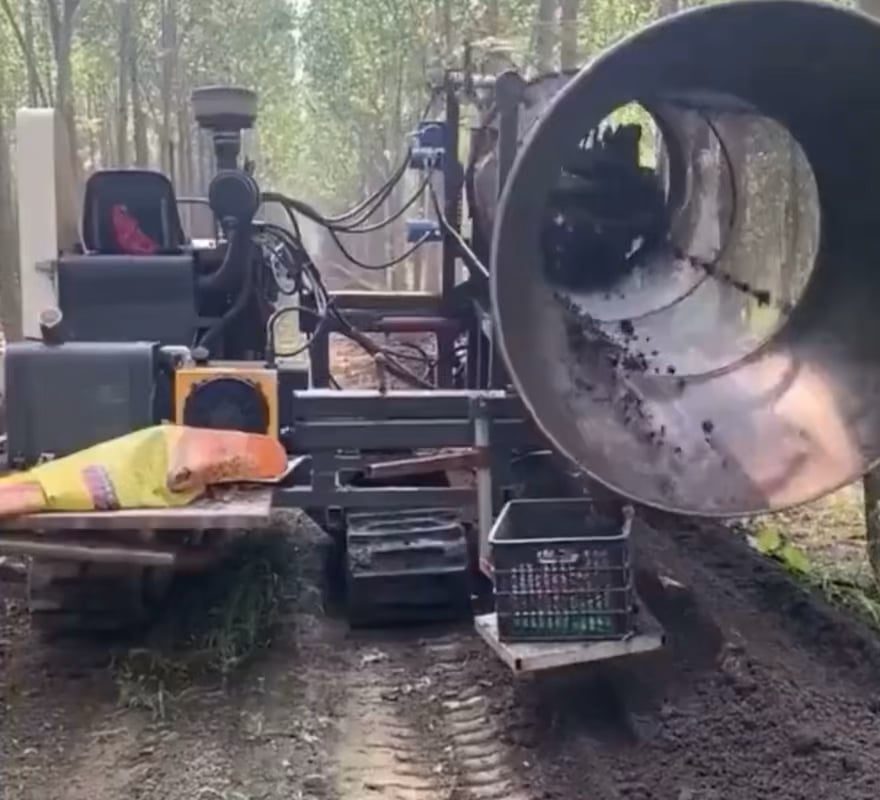
A rotary trommel machine separating worms from soil
Harnessing Rotary Trommel Machines: An Efficient Solution for Separating Worms from Soil
In the fields of composting, vermiculture, and organic waste management, efficiently separating worms from soil or compost is a critical yet labor-intensive task. Enter the rotary trommel machine—a game-changing piece of equipment automating the process with precision, speed, and minimal damage to delicate organisms like earthworms. This article explores how trommel screeners work, their benefits, and their practical applications in sustainable agriculture and waste processing.
What Is a Rotary Trommel Machine?
A rotary trommel (also known as a trommel screen or drum sieve) is a cylindrical, rotating sieve used to classify materials by size. It consists of a perforated drum mounted at a slight incline, which rotates as materials are fed into one end. Smaller particles (like soil, compost fines, or separated worms) fall through the screen apertures, while larger debris (rocks, sticks, or unprocessed compost) exit via the opposite end.
In worm composting (vermicomposting), trommels are tailored with screens sized to separate mature worms from finished castings, cocoons, or partially decomposed organic matter.
How a Rotary Trommel Separates Worms from Soil
The process is surprisingly simple but highly effective:
- Feeding: A mixture of soil, compost, and worms is loaded into the trommel’s hopper.
- Rotation: The drum rotates at a controlled speed (typically 10–30 RPM), tumbling the material and encouraging separation.
- Screening: Worms and fine soil/compost fall through small screen openings (3mm–8mm), while larger debris travels through the drum and exits separately.
- Collection: Worms and screened material are collected below the drum, while oversize waste is discharged at the end.
Key Design Features for Worm Separation:
- Gentle Tumbling: Slow rotation prevents harm to worms.
- Adjustable Screens: Interchangeable mesh sizes to target specific worm species (e.g., red wigglers vs. nightcrawlers).
- Modular Design: Portable trommels can serve small farms, while industrial units handle bulk processing.
Benefits of Using a Trommel for Worm Separation
-
Speed & Efficiency:
- Processes hundreds of pounds of material per hour, replacing hours of manual labor.
- Ideal for commercial vermicomposting facilities or large-scale farms.
-
Worm Safety:
- Unlike vibratory screeners, trommels use a gentle rolling motion to avoid injuring worms or cocoons.
- Low-speed operation minimizes stress and mortality.
-
Scalability:
- Available in sizes ranging from small DIY units to industrial-grade trommels with conveyor systems.
-
Cost Savings:
- Reduces labor costs and speeds up production cycles, boosting ROI for compost/worm farms.
-
Improved Compost Quality:
- Delivers contaminant-free worm castings, a premium organic fertilizer.
Applications of Rotary Trommel Worm Separators
- Vermicomposting Facilities: Harvest worms and castings from mature beds.
- Organic Farms: Recover worms for soil health improvement or resale.
- Soil Remediation: Separate earthworms after bioremediation projects.
- Waste Processing Plants: Screen organic waste for worm-based decomposition systems.
Choosing the Right Rotary Trommel for Worm Separation
Consider these factors:
- Screen Size: Match mesh apertures to your worm species (e.g., 4mm for red wigglers).
- Drum Size & Power: Opt for electric or diesel-powered models depending on mobility needs.
- Construction: Stainless steel or galvanized drums for durability in humid conditions.
- Automation: Add-ons like feed conveyors or collection bins streamline workflows.
DIY Trommel Solutions for Small-Scale Operations
Hobbyists can build simple trommels using:
- A recycled barrel or PVC drum
- Mesh/screens fitted to the drum interior
- A motorized base (e.g., lawnmower wheels or a low-RPM motor)
- A wooden or metal frame
Cost-effective DIY trommels are perfect for backyard worm farms but lack the throughput of commercial machines.
FAQs: Rotary Trommels & Worm Separation
Q: Will trommels damage earthworms?
A: No—gentle rotation ensures worms pass through unharmed when operated correctly.
Q: Can a trommel separate worm cocoons?
A: Yes! Use a finer screen (1–2mm) to harvest cocoons for future breeding.
Q: What’s the best trommel size for a home compost setup?
A: Compact units with 2–3ft drums handle 50–100 lbs/hour—ideal for most households.
Q: How do I maintain a trommel machine?
A: Clean screens after each use, lubricate bearings, and inspect for wear.
Conclusion
Rotary trommel machines revolutionize how worms are separated from soil, compost, or castings—boosting efficiency and sustainability for farmers, composters, and waste processors. Whether you’re running a vermicomposting enterprise or a small organic garden, integrating a trommel into your workflow saves time, protects worms, and elevates end-product quality. For businesses seeking scalability, investing in a commercial-grade trommel offers a clear path toward greener, more profitable operations.
Ready to streamline your worm harvesting? Research trommel manufacturers or consult vermiculture experts to find the perfect solution for your needs! 🌱🔄