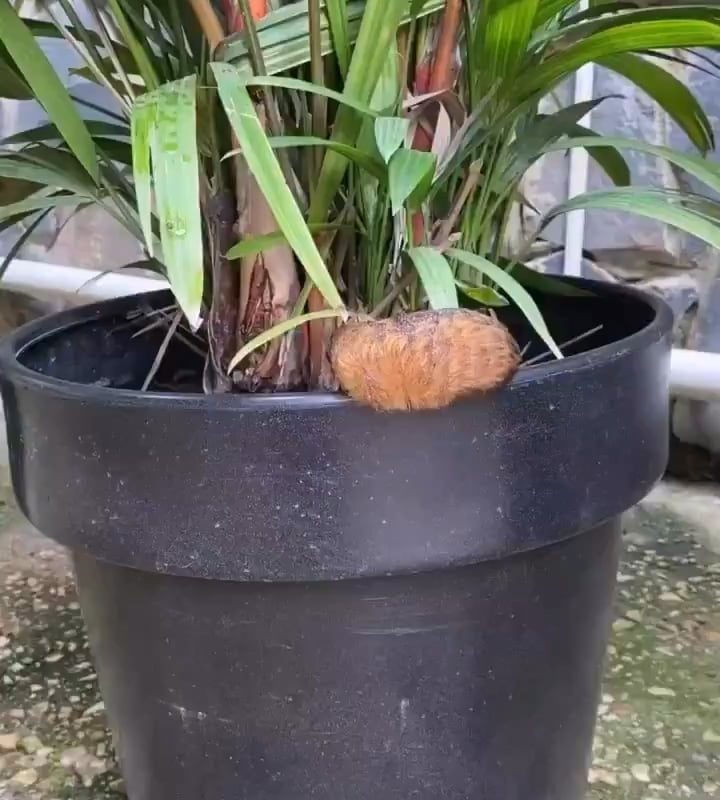
A Southern flannel moth caterpillar.
Title: Beware the Furry Fluffy: The Southern Flannel Moth Caterpillar and Its Venomous Secret
Meta Description: Discover the hidden dangers of the Southern Flannel Moth Caterpillar (aka the “puss caterpillar”). Learn how to identify it, treat its painful sting, and stay safe outdoors.
The Southern Flannel Moth Caterpillar: Nature’s Deceptively Dangerous “Teddy Bear”
You might spot a tiny, fuzzy creature resembling a miniature toupee or a tuft of cat hair crawling on a leaf—innocent at first glance. But don’t be fooled! The Southern flannel moth caterpillar (scientific name: Megalopyge opercularis), also known as the “puss caterpillar,” is one of North America’s most venomous caterpillars. This adorable-looking insect packs a painful punch that can send even grown adults to the emergency room.
In this guide, we’ll break down why this critter is so notorious, how to recognize it, and what to do if you encounter one.
What Does a Southern Flannel Moth Caterpillar Look Like?
The puss caterpillar’s fluffy appearance is its ultimate disguise. Here are its key features:
- Size: 1–2 inches long (about the size of a thumb).
- Color: Ranges from grayish-white to golden-brown or even reddish-orange.
- Texture: Covered in long, silky hairs resembling fur or a Persian cat’s coat—but DO NOT TOUCH!
- Shape: Tear-drop or oval-shaped, with hidden venomous spines underneath its “fur.”
Unlike spiky or brightly colored warning signs seen in other venomous caterpillars, the puss caterpillar’s soft look is a trap. Those innocent-looking hairs conceal toxic spines that detach easily and inject venom upon contact.
Where Is the Southern Flannel Moth Caterpillar Found?
This species thrives in warm, humid climates, commonly across:
- The southeastern United States (Florida, Texas, Georgia, Louisiana).
- Parts of the Midwest and Mid-Atlantic (rare sightings as far north as New Jersey).
- Deciduous trees, shrubs, and gardens—they love oak, elm, citrus, and ivy.
They’re most active in late summer and fall, but can appear year-round in warmer regions.
The Sting: What Happens If You Touch One?
The puss caterpillar’s sting is infamous for causing excruciating pain—often compared to a severe burn or a broken bone. Symptoms include:
- Immediate intense pain at the contact site.
- Red, swollen welts or a rash in a zig-zag pattern (where spines penetrated).
- Headaches, nausea, fever, or muscle cramps (in severe cases).
4 Lymph node swelling near the sting site.
Children, pets, and outdoor workers are at highest risk. While rare, severe reactions (like anaphylaxis) require emergency care.
First Aid and Treatment for a Puss Caterpillar Sting
If stung, act quickly:
- Remove spines carefully with tape or tweezers—DO NOT rub the area!
- Wash with soap and water to remove residual venom.
- Apply ice to reduce pain/swelling.
- Use antihistamines or hydrocortisone cream for itching.
- Seek medical help if pain persists beyond an hour or systemic symptoms develop.
NEVER attempt home remedies like vinegar or baking soda—they can worsen irritation.
How to Avoid an Encounter
Stay safe with these tips:
- Inspect outdoor surfaces (tree bark, benches, fences) before sitting or touching.
- Wear gloves while gardening or handling firewood.
- Teach kids to admire caterpillars from afar—no picking up “fluffy” bugs!
- Prune trees/shrubs regularly to reduce hiding spots near homes.
Fun Facts: From Caterpillar to Moth
- The adult Southern flannel moth is harmless and strikingly beautiful, with orange and cream-colored fur-like scales.
- Females lay eggs on host plants, and caterpillars feed on leaves before pupating.
- Despite their venom, they play a role in local ecosystems as prey for birds and wasps.
FAQs About the Southern Flannel Moth Caterpillar
Q: Can a puss caterpillar sting kill you?
A: Fatalities are extremely rare, but stings can cause severe pain and complications requiring hospitalization.
Q: Are they aggressive?
A: No—they only sting when touched or brushed against.
Q: What eats Southern flannel moth caterpillars?
A: Predators include parasitic wasps and birds like cuckoos, which avoid the venomous spines.
Q: How long do symptoms last?
A: Pain usually fades within hours, but rashes/itching may linger for days.
Final Thoughts: Respect Nature’s Hidden Hazards
While the Southern flannel moth caterpillar’s adult form is harmless and even beneficial to ecosystems, its larval stage is a reminder that looks can be deceiving. By learning to identify this venomous insect and practicing caution outdoors, you can avoid a painful encounter and enjoy nature safely.
Got a caterpillar story or photo? Share it in the comments below!
SEO Keywords: Southern flannel moth caterpillar, puss caterpillar sting, venomous caterpillars, identify puss caterpillar, caterpillar sting treatment, poisonous insects, Megalopyge opercularis, fuzzy caterpillar danger.
Optimization Tip: Pair this article with images of the caterpillar (with proper warnings!) and adult moth to boost engagement. Use alt-text like “Southern flannel moth caterpillar hiding in tree bark” for better image SEO.