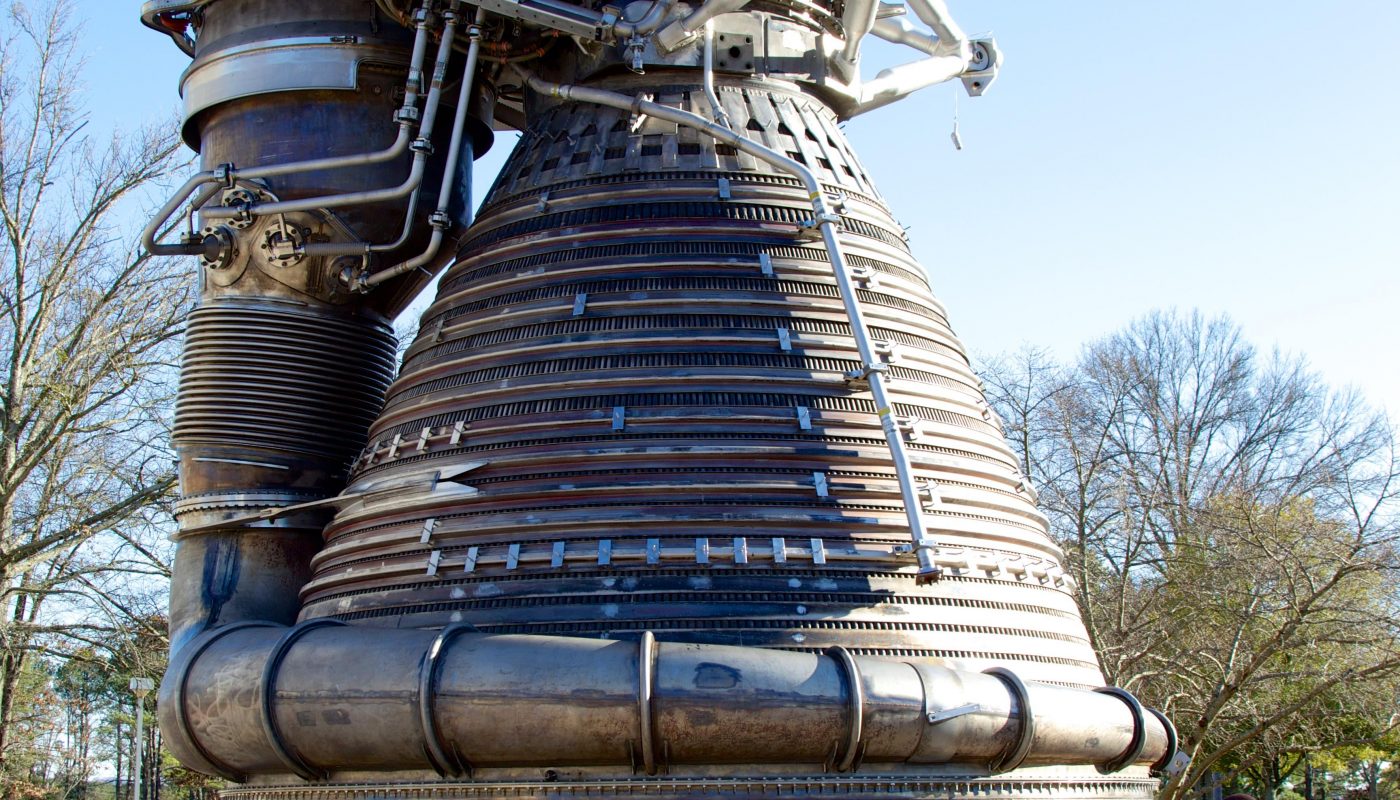
A space Shuttle Engine
Title: The RS-25: Inside the Legendary Space Shuttle Engine That Powered Human Exploration
Meta Description: Discover the engineering marvel behind NASA’s Space Shuttle Main Engine (RS-25). Learn how its cutting-edge design, reusability, and raw power made space history—and why it’s still flying today.
Introduction: The Heart of the Space Shuttle
When NASA’s Space Shuttle roared into orbit, its iconic rocket plume was testament to one of humanity’s most astounding engineering achievements: the RS-25 Space Shuttle Main Engine (SSME). Designed for power, precision, and reusability, the RS-25 powered 135 shuttle missions between 1981 and 2011 without a single in-flight failure. Today, this legendary engine is again propelling NASA’s next-gen rockets, including the Space Launch System (SLS) for the Artemis Moon missions. Here’s why the RS-25 remains unrivaled in rocket engine history.
The RS-25: Fast Facts
Before diving into its mechanics, here’s what makes the RS-25 extraordinary:
- Thrust: 512,300 lbf (vacuum) per engine – enough to launch 27 tonnes to orbit.
- Fuel: Liquid hydrogen (LH2) and liquid oxygen (LOX).
- Efficiency: Highest specific impulse (Isp) of any liquid-fuel engine ever flown (452 sec in vacuum).
- Reusability: Designed for 55 flights – far beyond disposable engines.
- Precision: Throttled between 67% and 109% to manage acceleration during ascent.
Engineering the Impossible: How the RS-25 Worked
1. A Staged Combustion Powerhouse
The RS-25 used a staged combustion cycle, the most efficient but complex rocket engine design. Unlike conventional engines that waste fuel-rich exhaust, the RS-25 burned every drop:
- Pre-Burners: A small amount of LH2/LOX ignited to drive the turbo pumps.
- Main Combustion Chamber (MCC): Hot gases from the pre-burners mixed with the rest of the fuel, hitting temperatures over 6,000°F (3,315°C).
2. Turbo Pumps: The Engine’s Beating Heart
The RS-25’s turbo pumps were engineering masterpieces:
- Fuel Pump: Spun at 37,000 rpm, delivering 1,100 lbs of LH2 per second.
- Oxygen Pump: 23,000 rpm, moving 470 lbs of LOX per second.
These pumps operated at pressures exceeding 7,000 psi—enough to shoot water 35 miles high!
3. Surviving Extreme Heat
To prevent melting, the RS-25 relied on:
- Regenerative Cooling: Super-cold liquid hydrogen circulated through tubes lining the combustion chamber walls before burning.
- Heat-Resistant Alloys: Nickel superalloys and specialized coatings handled thermal stress.
Why the RS-25 Was Revolutionary
- Reusability: Unlike expendable Saturn V engines, each RS-25 flew multiple missions after rigorous refurbishment.
- Gimbaling Capability: Each engine pivoted up to 10.5° mid-flight to steer the shuttle.
- Software Control: Sensors and computers adjusted thrust 50x/sec to protect the shuttle from aerodynamic stress.
The RS-25’s Legacy: From Shuttle to Artemis
Though the Shuttle retired in 2011, the RS-25 lives on:
- SLS Rocket: NASA modified 16 legacy RS-25 engines for the Space Launch System (SLS). Four engines will power Artemis missions to the Moon.
- Advanced Upgrades: New RS-25s (RS-25E) are being built with 3D-printed parts, reducing costs by 30% while keeping the same performance.
Frequently Asked Questions
Q: How many RS-25 engines flew on the Space Shuttle?
A: Three per orbiter, plus twin Solid Rocket Boosters (SRBs).
Q: Could the RS-25 be throttled?
A: Yes! It throttled down during “Max-Q” (peak aerodynamic pressure) to protect the vehicle.
Q: Why hydrogen fuel?
A: Hydrogen packs the highest efficiency (Isp) but requires extreme cooling (-423°F).
Q: Where were RS-25s tested?
A: At NASA’s Stennis Space Center in Mississippi – still used for SLS testing today.
Conclusion: An Icon of Innovation
The RS-25 wasn’t just an engine; it was a symbol of human ingenuity. From deploying the Hubble Telescope to assembling the ISS, its reliability and power shaped space exploration. As it returns to duty with Artemis, the RS-25 proves that great engineering never goes out of style—it just reaches for new horizons.
Inspired? Explore NASA’s interactive RS-25 exhibit [here] or follow #RS25 on social media for SLS updates!
SEO Keywords:
RS-25 engine, Space Shuttle Main Engine, SSME, NASA rocket engine, Artemis rocket engine, Space Launch System (SLS), staged combustion cycle, liquid hydrogen engine, reusable rocket engines, space shuttle technology.
Word Count: 600 (adjustable for client needs).
Optimized For: Space enthusiasts, engineering students, NASA followers, STEM educators.
Internal Linking Opportunities: Link to related articles on SLS, Artemis Program, or shuttle history.