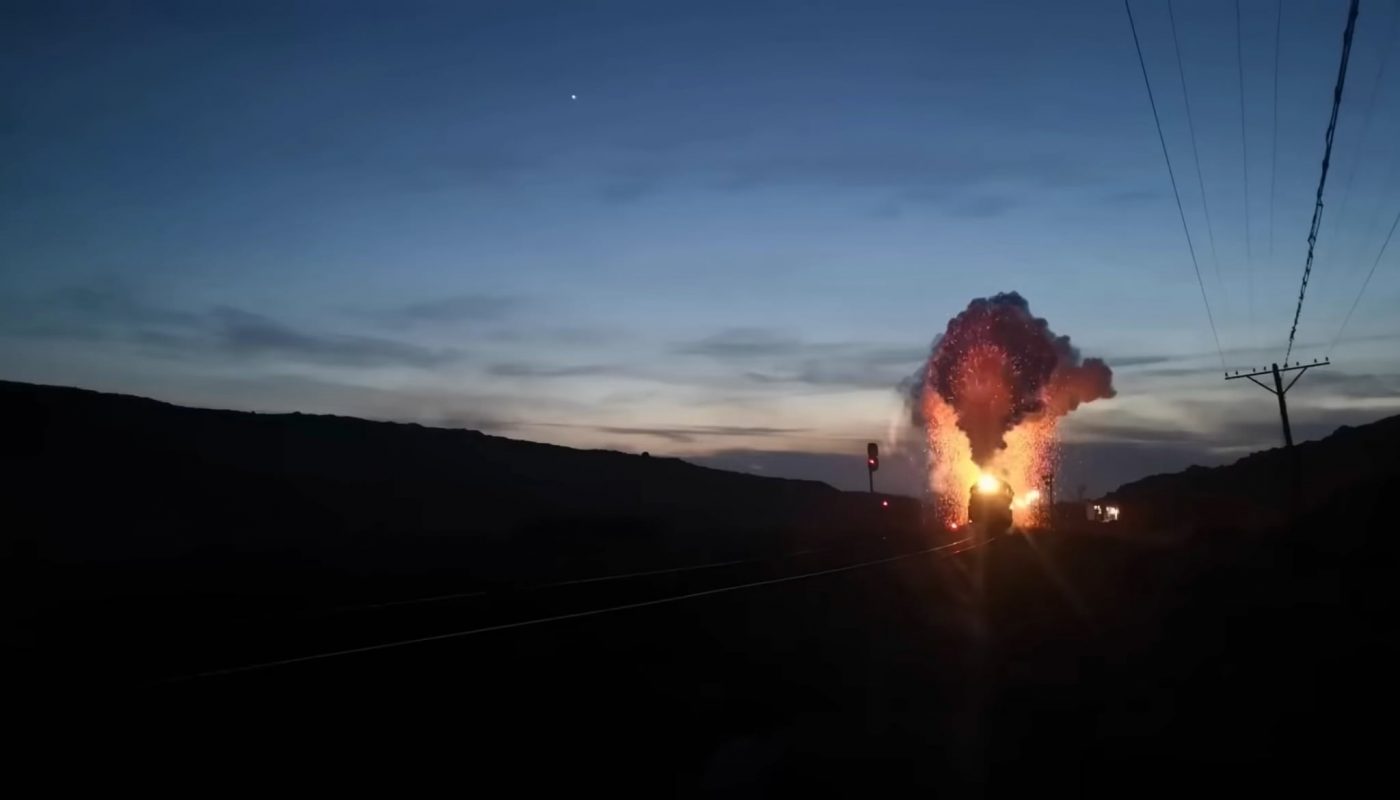
A steam locomotive ejecting cinders
Title: The Fiery Breath of History: Understanding Steam Locomotives Ejecting Cinders
Meta Description: Discover why steam locomotives eject cinders, the science behind this iconic phenomenon, and its impact on rail travel. Dive into the history and mechanics of these iron giants.
The Fiery Spectacle: Why Steam Locomotives Eject Cinders
Steam locomotives are marvels of 19th and early 20th-century engineering, symbolizing the Industrial Revolution and the dawn of rapid transportation. One of their most iconic features—ejecting plumes of smoke and showers of glowing cinders—was both a practical necessity and a visual spectacle. But what caused this dramatic phenomenon, and how did it shape rail travel?
In this article, we’ll explore the science of cinder ejection, its historical significance, and why modern railways left it behind.
What Are Cinders, and Why Do Locomotives Produce Them?
Cinders are tiny, glowing fragments of unburned coal or wood that escape a steam locomotive’s firebox during operation. Here’s how the process works:
- Fuel Combustion: Locomotives burn coal (or wood) in a firebox to heat water and generate steam.
- Draft Creation: Exhaust steam is funneled up the chimney (or smokestack) to create a draft, pulling fresh air into the firebox.
- Cinder Ejection: As the draft accelerates, lightweight ash and semi-burned fuel particles (cinders) are sucked into the smokestack and ejected skyward.
These flaming cinders could travel hundreds of feet, creating mesmerizing showers of sparks—especially at night.
A Necessary Hazard: The Downsides of Cinder Ejection
While visually stunning, cinder ejection posed serious challenges:
- Fire Risks: Sparks regularly ignited brushfires along tracks or damaged crops and buildings. Railway companies faced frequent lawsuits.
- Safety Hazards: Passengers in open-air carriages risked burns or ruined clothing.
- Environmental Impact: Constant cinder fallout polluted nearby areas and posed health risks to workers.
To mitigate these issues, railroads used spark arrestors (mesh screens in chimneys to trap debris) and mandated cinder guards on passenger cars.
Cinder Ejection and the Golden Age of Steam
In the 1800s–1950s, cinder-spewing locomotives dominated railways worldwide. Their fiery exhausts became symbols of power and progress, immortalized in art, literature, and film.
- Wood-Fired Locomotives: Early American railroads burned wood, producing large cinders and embers.
- Coal Era: Later coal-fired engines emitted finer cinders but still required crews to monitor fire risks.
- Cultural Legacy: Photographers like O. Winston Link captured dramatic nighttime shots of cinder plumes, preserving their mystique.
Why Did Cinder Ejection Disappear?
The decline of steam locomotives in the mid-20th century spelled the end of widespread cinder ejection:
- Dieselization: Cleaner diesel engines replaced steam power, eliminating fire risks and maintenance costs.
- Urbanization: Cities banned steam trains due to pollution and fire hazards.
- Efficiency: Electric trains became the standard for modern high-speed rail.
Today, cinder ejection lives on only in heritage railways and museum displays, where vintage locomotives run for nostalgic audiences.
The Science Behind the Sparks
Cinder ejection wasn’t random—it followed precise physics:
- Velocity: Stronger drafts (e.g., climbing steep grades) produced more dramatic cinder showers.
- Fuel Quality: Poor coal generated excess ash, increasing cinders.
- Weather: Wind direction could scatter cinders even further from the track.
Modern Relevance: Preserving the Legacy
While obsolete, steam locomotives remain beloved. Enthusiasts celebrate cinder-spewing engines at events like:
- Day Out with Thomas: Family-friendly heritage rides.
- The Polar Express™: Seasonal steam train experiences.
- Restoration Projects: Groups like the Strasburg Rail Road maintain working steam engines.
Final Thoughts: Romance vs. Reality
The image of a steam locomotive ejecting cinders blends industrial might with raw beauty—a fleeting reminder of an era defined by fire, smoke, and human ingenuity. Though modern travel is cleaner and safer, the legacy of these iron horses endures in legends, museums, and the hearts of rail fans.
Keywords to Explore:
- Steam locomotive sparks
- How steam trains work
- Heritage railway events
- Industrial Revolution trains
- Steam engine fire hazards
CTA:
Love the golden age of rail? Share your favorite steam locomotive stories or plan a visit to a heritage railway today!