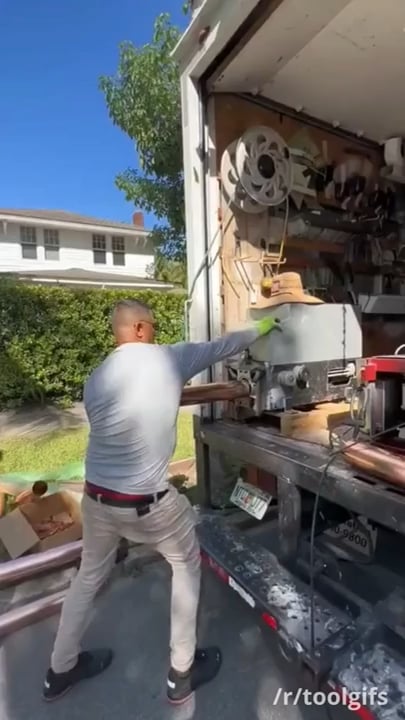
A tool used for crimp bending
The Ultimate Guide to Crimp Bending Tools: Precision, Efficiency, and Applications
Introduction to Crimp Bending
Crimp bending is a specialized metalworking process used to permanently deform materials, such as wires, cables, tubes, or connectors, to create a secure, leak-proof, or electrically conductive joint. At the heart of this process lies the crimp bending tool—a versatile device designed to apply controlled force and reshape materials with accuracy. These tools are indispensable in industries like electrical engineering, automotive manufacturing, plumbing, and aerospace.
In this guide, we’ll explore how crimp bending tools work, their types, applications, and tips for choosing the right one for your project.
How Crimp Bending Tools Work
Crimp bending tools apply pressure to deform a material around another component (e.g., a wire inside a terminal). The tool compresses the material, creating a cold weld or mechanical bond that ensures structural integrity and conductivity. Key components include:
- Dies/Jaws: Interchangeable parts that shape the crimp.
- Handles/Levers: Manual or hydraulic mechanisms to generate force.
- Ratchet System: Ensures full crimp completion before release.
Types of Crimp Bending Tools
-
Manual Crimping Tools
- Ideal for small-scale or DIY projects (e.g., electrical repairs).
- Hand-operated with ergonomic grips.
- Common types: Wire crimpers, terminal crimpers, and PEX crimpers for plumbing.
-
Hydraulic Crimping Tools
- Designed for heavy-duty applications (e.g., industrial cable lug crimping).
- Use hydraulic pressure for high-force crimps (up to 100+ tons).
- Often powered by electric pumps or hand-operated pistons.
-
Battery-Powered Crimpers
- Portable and efficient for fieldwork.
- Combine speed with consistent results.
-
Specialized Crimpers
- Hex Crimpers: Create hexagonal crimps for connectors.
- Four-Way Crimpers: Multi-tool designs for varied terminal shapes.
- SAE/DIN-Compliant Tools: For industry-standard crimps.
Key Applications
Crimp bending tools are used across industries to:
- Electrical Work: Secure wire terminals, splices, and connectors.
- Plumbing: Attach PEX fittings for water lines.
- Automotive: Assemble wiring harnesses and fuel lines.
- Aerospace: Create high-reliability connections for avionics.
- Telecom/Data Centers: Terminate fiber optic or coaxial cables.
Benefits of Using Crimp Bending Tools
- Durability: Crimped joints resist vibration, corrosion, and thermal stress.
- Efficiency: Faster than soldering or welding, with no heat required.
- Consistency: Precision dies ensure uniform crimps every time.
- Safety: Reduces risks of loose connections (e.g., electrical faults).
Choosing the Right Tool: 5 Factors
- Material Type: Match the tool to the material (copper, aluminum, steel, or PEX).
- Crimp Force: Light-duty (12 AWG wires) vs. heavy-duty (0-gauge cables).
- Die Compatibility: Ensure the dies fit your connector size/type (e.g., open-barrel vs. closed-barrel).
- Volume of Work: Manual tools suit occasional use; hydraulic/battery-powered excel in high-volume settings.
- Ergonomics: Comfort features (rotating heads, cushioned grips) reduce fatigue.
Maintenance Best Practices
- Regularly clean dies to prevent debris buildup.
- Lubricate moving parts per manufacturer guidelines.
- Inspect for wear (e.g., cracked jaws, misalignment).
- Store in a dry, dust-free environment.
Safety Tips
- Wear safety glasses to shield against metal fragments.
- Never exceed the tool’s rated crimp capacity.
- Use insulated tools for live electrical work.
- Train operators on proper techniques to avoid under-/over-crimping.
FAQs
1. What’s the difference between crimping and bending?
Crimping deforms a material to join components, while bending reshapes it without fastening.
2. Can I use standard pliers for crimping?
No—improper tools create weak joints. Always use purpose-built crimpers.
3. What’s the best crimping tool for electrical work?
A ratcheting crimper with interchangeable dies (e.g., for insulated/non-insulated terminals).
4. Do hydraulic crimpers require maintenance?
Yes—check fluid levels, seals, and hoses periodically.
5. Are crimped connections reusable?
Typically no; crimping permanently deforms the material for maximum reliability.
Final Thoughts
Whether you’re assembling a circuit or installing plumbing, a crimp bending tool ensures precision, strength, and efficiency. By selecting the right type for your application and following best practices, you’ll achieve professional-grade results safely and consistently.
Optimize your toolkit today—explore our top-rated crimp bending tools for unmatched performance!
Keywords: Crimp bending tool, hydraulic crimping tool, wire crimper, crimping process, crimping applications, electrical crimping, PEX crimper, industrial crimping.
This article targets key search terms while delivering actionable insights for professionals and DIY enthusiasts. Use structured headings, bullet points, and FAQs to enhance readability and SEO performance.