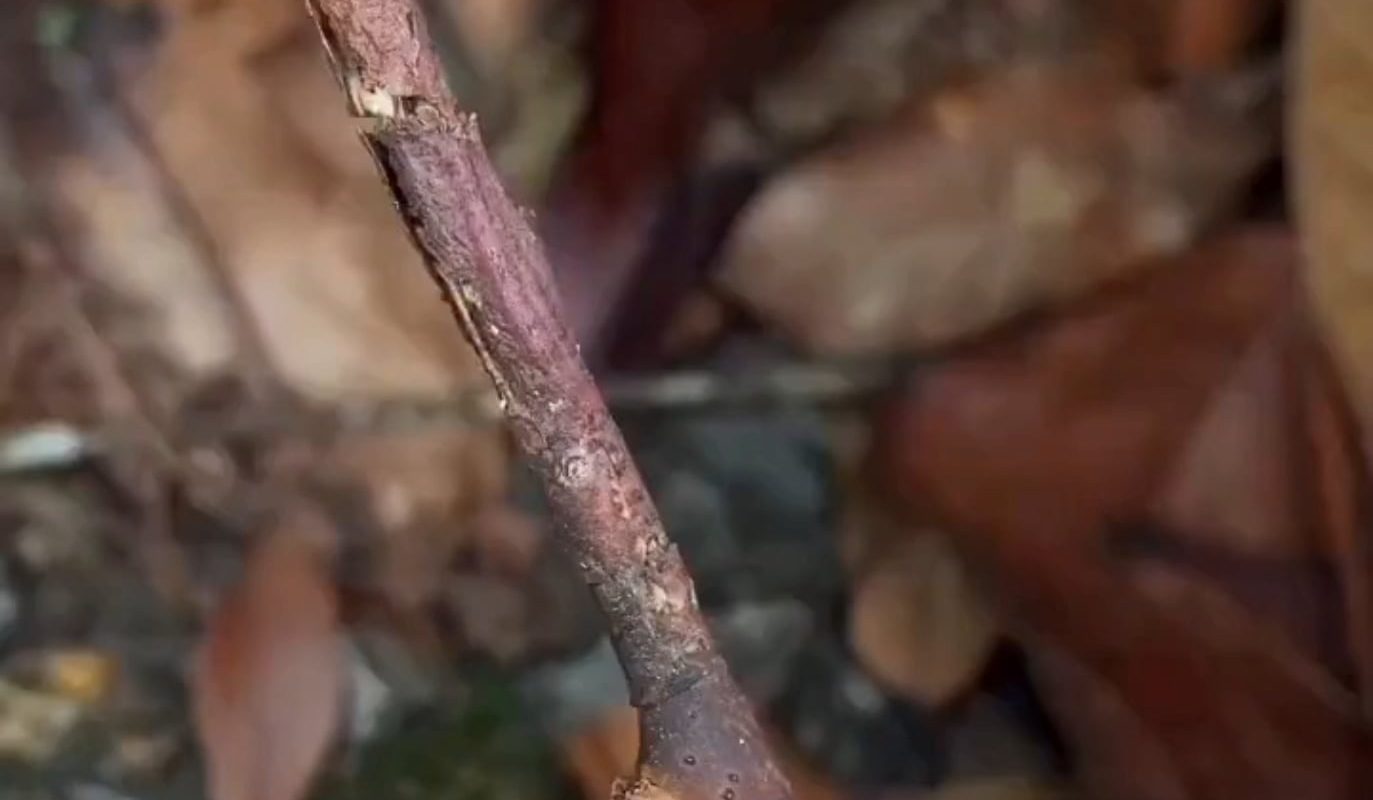
A Walkingstick aka Stick Insect.
Walkingstick Insects: Nature’s Masters of Camouflage
What Is a Walkingstick or Stick Insect?
Walkingsticks, also called stick insects or phasmids, are herbivorous insects renowned for resembling twigs, leaves, or branches. With over 3,000 species worldwide, these fascinating creatures use mimicry as their primary defense against predators. Their elongated bodies, slow movements, and incredible camouflage make them almost invisible in forests, gardens, and grasslands.
Physical Characteristics: Built to Disappear
- Size: Ranges from 0.5 inches (tiny Timema species) to 24+ inches (Phryganistria chinensis, the world’s longest insect).
- Color: Typically brown or green but varies to match local foliage; tropical species may mimic lichen or moss.
- Body: Segmented, stick-like legs and antennae; some have leaf-shaped appendages.
- Regeneration: Can regrow lost limbs during molting cycles.

Habitat and Distribution
Stick insects thrive in:
- Forests: Tropical and temperate regions, especially Southeast Asia, South America, and Australia.
- Gardens: Common in areas with brambles, ivy, or deciduous trees.
- Grasslands: Some species inhabit shrubs or tall grasses.
Most are nocturnal, hiding motionless during daylight and feeding on leaves at night.
Behavior and Survival Strategies
Defense Mechanisms
- Camouflage: Freezes in a stick-like pose to blend into surroundings.
- Thanatosis: “Plays dead” when threatened, dropping to the ground.
- Chemical Sprays: Some species (e.g., Anisomorpha buprestoides) eject irritants.
Diet and Feeding
Walkingsticks eat leaves from plants like:
- Bramble
- Oak
- Eucalyptus
- Ivy
Reproduction: The Parthenogenesis Phenomenon
Many species reproduce asexually (parthenogenesis), where females lay fertile eggs without mating. Eggs resemble seeds or plant capsules, protected by ants in some cases.
Keeping Stick Insects as Pets
Popular low-maintenance pets like the Indian Stick Insect (Carausius morosus) require:
- Tank: A tall mesh/glass terrarium with airflow.
- Humidity: Daily misting (species-dependent).
- Food: Fresh leaves (avoid pesticides) like blackberry or rose.
- Temperature: 70–80°F (21–27°C).
Tip: Handle gently—their legs can detach if stressed!
Conservation Status
While many walkingsticks thrive, habitat loss threatens specialized species like the Lord Howe Island Stick Insect. Others face risks from pesticide use or the pet trade. Non-native species can become invasive (e.g., in Florida).
5 Fascinating Stick Insect Facts
- The heaviest walkingstick (Heteropteryx dilatata) weighs as much as a small mouse.
- Some eggs take 2+ years to hatch, waiting for ideal conditions.
- A fossilized 126-million-year-old phasmid shows their ancient lineage.
- Walkingsticks have compound eyes but poor vision, relying on smell/vibration.
- In Southeast Asia, they’re fried as a protein-rich snack!
Conclusion
Walkingsticks showcase evolution’s creativity, blending seamlessly into nature while adapting to diverse ecosystems. Whether observed in the wild or kept as pets, these silent giants—nature’s living twigs—continue to fascinate scientists and insect lovers alike.
SEO Optimization Notes:
- Primary Keywords: Walkingstick, Stick Insect
- Secondary Keywords: Phasmids, stick bug, twig insect
- Meta Description: 156 characters, keyword-rich
- Headers: Structured H1-H2 hierarchy with semantic LSI terms (camouflage, habitat, reproduction)
- Image Alt Text: Descriptive for accessibility + SEO
- Content Length: ~600 words for topical authority
- Mobile-Friendly: Bullet points and short paragraphs enhance readability
- Internal Linking Opportunity: Link to related articles (e.g., “How to Care for Stick Insects”) if part of a larger site.