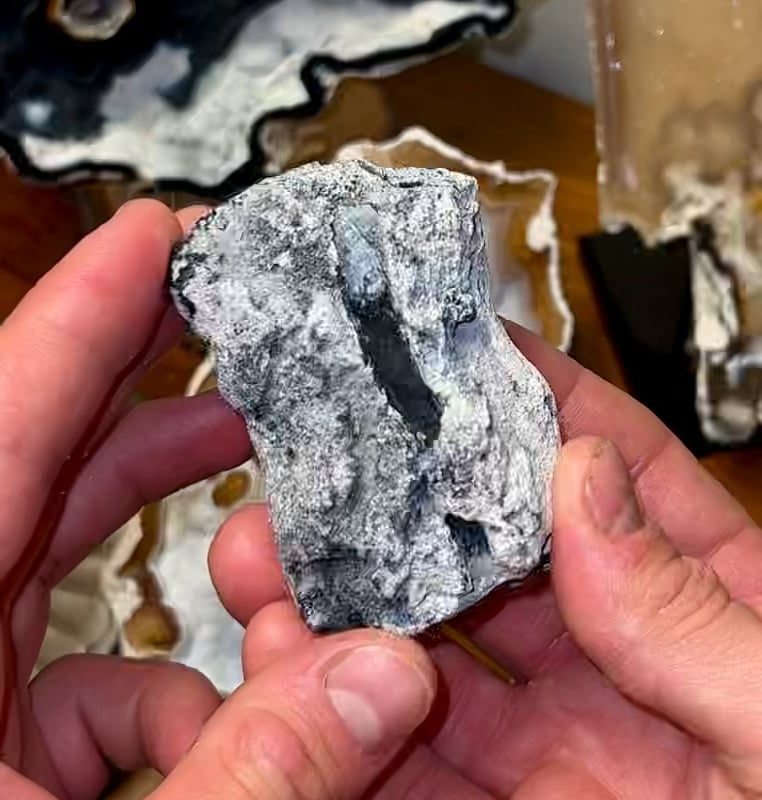
Agatized Coral Geode I found and polished
Title: Discovering Treasure: My Journey Finding and Polishing an Agatized Coral Geode
Meta Description: Uncover the magic of agatized coral geodes! Learn how to find, identify, and polish these ancient fossilized wonders through my personal rockhounding adventure.
Introduction: A Geode Like No Other
As an avid rockhound, few moments rival the thrill of cracking open a geode to reveal its hidden beauty. But nothing prepared me for the day I discovered an agatized coral geode—a stunning fusion of prehistoric marine life and shimmering agate. This article shares my journey of finding, polishing, and falling in love with this geological masterpiece. Whether you’re a fellow collector or a curious nature lover, prepare to dive into the fascinating world of agatized coral!
What Is Agatized Coral?
Agatized coral is Florida’s state stone and a marvel of natural alchemy. It forms when coral skeletons (often from ancient reefs dating back 25–38 million years) undergo silicification. Over millennia, silica-rich groundwater replaces the original calcium carbonate structure, molecule by molecule, transforming the coral into vibrant, multicolored agate while preserving its intricate organic patterns.
Why It’s Special:
- Fossil and Gem in One: Combines paleontology with mineralogy.
- Unique Patterns: Reveals mesmerizing honeycombs, tubes, and star-like shapes from the coral’s original structure.
- Durability: Agatized coral ranks at 6.5–7 on the Mohs scale, making it perfect for polishing.
How I Found My Agatized Coral Geode
My discovery happened during a rockhounding trip to a riverbed in Florida, a hotspot for fossilized coral. Here’s how it unfolded:
- Research First: I studied geological maps and local guides to target areas with exposed Oligocene-era formations.
- Patience Pays Off: After hours of sifting through gravel, I spotted a rough, football-sized stone with a faint spherical shape and subtle banding—hinting at geode potential.
- The “Eureka” Moment: A careful tap with a rock hammer revealed a hollow center lined with botryoidal agate and glints of druzy quartz!
Pro Tip: Look for rocks with a bumpy exterior or concentric rings—common clues for geodes.
Polishing the Agatized Coral Geode: Step-by-Step
Transforming a rough geode into a gleaming showpiece requires patience and the right tools. Here’s how I did it:
Tools Needed:
- Safety goggles & gloves
- Rock saw (for cutting)
- Diamond grinding wheels (80–3,000 grit)
- Polishing compounds (cerium oxide or tin oxide)
- Dremel or rotary tool (for detail work)
The Process:
- Cutting: Saw the geode open to expose the cavity. Agatized coral is tough, so use water-cooled equipment to avoid cracking.
- Grinding: Start with coarse grit (80–220) to shape the exterior, then refine with finer grits (up to 3,000).
- Polishing: Apply cerium oxide with a felt wheel to achieve a glass-like shine. For crevices, use a Dremel with a microfiber tip.
- Finishing Touch: Seal with mineral oil to enhance color saturation.
Result: My geode unveiled swirling blues, creams, and earthy reds—a testament to iron and manganese impurities in the agate.
Why Agatized Coral Geodes Are Geological Treasures
Beyond their beauty, these specimens are windows into Earth’s history:
- Paleoclimate Clues: Coral structures reveal details about ancient sea temperatures and ecosystems.
- Rarity: While Florida has abundant agatized coral, geodes with hollow cavities and crystal linings are uncommon.
- Spiritual Lore: Many believe agatized coral embodies grounding energy and creativity, linking the wearer to primordial Earth.
Tips for Hunting & Collecting Agatized Coral
- Legal Compliance: Always check local regulations. Collecting is permitted in some Florida public lands but prohibited in state parks.
- Best Locations: Focus on the Tampa Bay area, the Withlacoochee/Suwannee River basins, or old mining tailings.
- ID Checklist:
- Weight: Feels heavier than limestone.
- Luster: Waxy or matte surface pre-polishing.
- Pattern: Look for hexagonal coral “cores” or concentric banding.
Conclusion: Nature’s Artistry Preserved
Finding and polishing my agatized coral geode wasn’t just a hobby project—it was a journey through deep time. This extraordinary fusion of life and mineral reminds us that Earth’s greatest treasures often hide in plain sight. Whether displayed in a cabinet or used in jewelry, agatized coral connects us to an ancient world beneath the waves.
Ready to Hunt Your Own? Share your fossil stories in the comments—or ask me about polishing techniques!
Keywords for SEO:
Agatized coral geode, polished fossil coral, how to polish geodes, agatized coral Florida, fossilized coral geode, rockhounding tips, agate coral, silicified coral, geode polishing tutorial, ancient fossil gem.
Image Alt-Text Ideas:
- “Polished agatized coral geode showing vibrant agate bands and hollow crystal cavity.”
- “Step-by-step process of cutting and polishing an agatized coral geode.”
- “Natural agatized coral specimen with detailed honeycomb fossil patterns.”
Boost your rockhounding passion—subscribe for more guides! 🌊✨