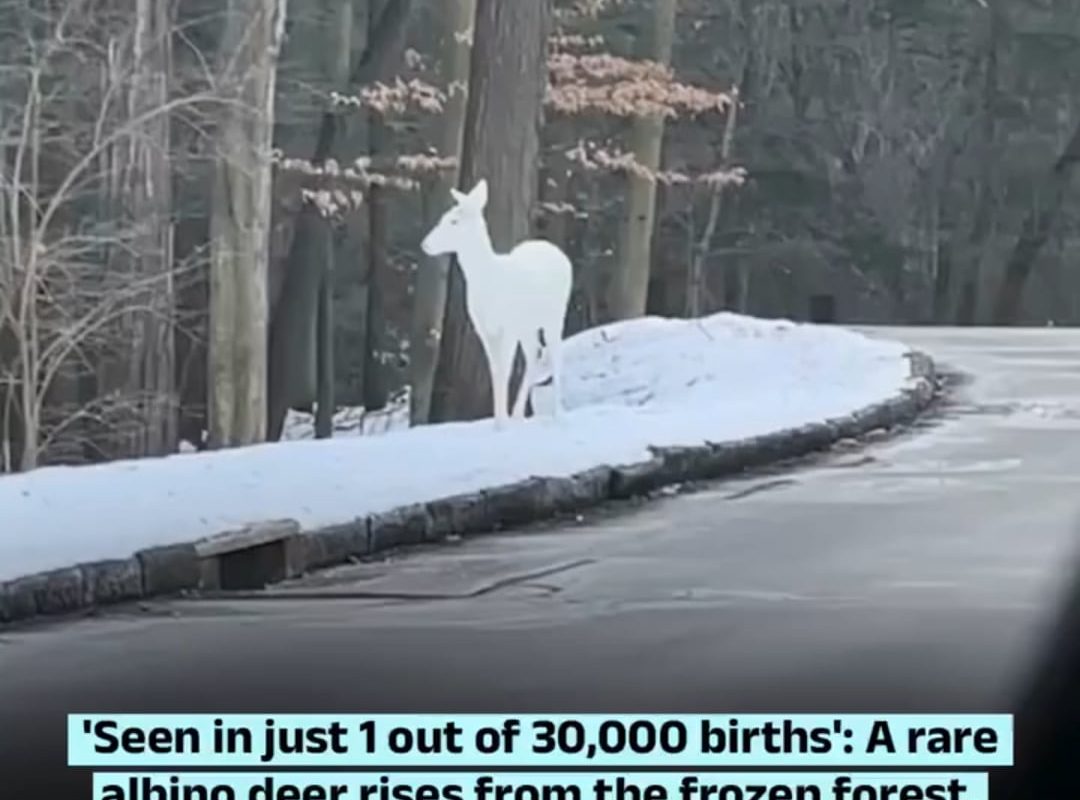
Albino deer are extremely rare in the wild due to a genetic mutation that gives them pure white fur and pink eyes.
Title: Albino Deer: Exploring the Rarity and Mystique of Nature’s Ghostly Giants
Meta Description: Discover the fascinating world of albino deer: why their white fur and pink eyes make them one of nature’s rarest sights, and how genetics shape their survival in the wild.
Introduction: The Ghosts of the Forest
Albino deer, with their snow-white coats and haunting pink eyes, are among the most elusive creatures in the wild. Often dubbed “ghost deer” or “spirit deer,” these rare animals captivate nature enthusiasts, hunters, and conservationists alike. But what makes them so unique? This article delves into the science, symbolism, and survival challenges of albino deer, shedding light on how a single genetic mutation creates these ethereal beings.
What Makes an Albino Deer?
Albino deer owe their striking appearance to albinism, a genetic condition caused by a recessive mutation that disrupts melanin production. Unlike standard white-tailed deer (which have brown coats in summer and grayish hues in winter), albino deer display:
- Pure white fur year-round.
- Pink eyes and noses (due to blood vessels showing through unpigmented tissue).
- Photosensitivity and vision impairments, making them vulnerable to bright light.
True albinism is different from leucism, a similar condition where animals have reduced pigmentation but retain some color in their eyes or skin. Albino deer are far rarer, occurring in roughly 1 in 30,000 births or less.
The Genetics Behind Albino Deer
For a fawn to be born albino, both parents must carry the recessive albinism gene. Even then, the odds of offspring inheriting two copies of the gene are slim. This double-recessive requirement explains their scarcity—most deer carrying the gene display no visible signs of it.
Wildlife biologists emphasize that albinism is not an adaptation but a genetic hiccup. In fact, it often reduces survival rates due to the drawbacks discussed below.
Survival Challenges in the Wild
Albino deer face significant hurdles in natural habitats:
- Camouflage Failure: Their white coats stand out against forests and fields, making them easy targets for predators like coyotes, wolves, and bears.
- Health Risks: Albinism is linked to weaker eyesight, hearing deficiencies, and sunburn-prone skin.
- Social Rejection: Some studies suggest herd members may ostracize albino deer, further limiting their protection.
As a result, many albino deer don’t survive to adulthood. Those that do often thrive only in protected areas or regions with low predator populations.
Cultural Significance and Folklore
Throughout history, albino deer have symbolized everything from divine messengers to omens of change:
- Native American tribes revered them as sacred guides linking the physical and spiritual worlds.
- European folklore portrayed them as mythical creatures embodying purity or misfortune.
- Modern media features them in films and literature as symbols of magic or environmental fragility.
These legends amplify their mystique but also highlight cultural respect for their rarity.
Where Are Albino Deer Found?
While albino deer can appear anywhere white-tailed deer live, some locations report higher sightings:
- Seneca Army Depot, New York: This former military site shelters one of the world’s largest herds of leucistic and albino deer, protected by fencing and restricted access.
- Texas Hill Country: Rare sightings occur in this region’s oak-juniper woodlands.
- Wisconsin and Minnesota: Northern forests occasionally yield reports of “ghost deer.”
However, true albino populations remain extraordinarily low.
Conservation Debate: To Protect or Not?
Albino deer spark controversy among hunters and conservationists. Some U.S. states, like Michigan, Illinois, and Iowa, outlaw hunting them due to their rarity. Others argue that protecting albino deer disrupts natural selection or encourages unethical breeding practices.
Ultimately, their survival hinges on habitat conservation and public awareness.
FAQs About Albino Deer
Q: How long do albino deer live?
A: In the wild, their lifespan is often shorter than average (2–4 years) due to predation risks. In protected areas, they may live 10+ years.
Q: Can albino deer breed with normal deer?
A: Yes, but albino offspring only result if both parents carry the recessive gene.
Q: Are there albino deer in captivity?
A: Yes—zoos and wildlife sanctuaries sometimes care for albino deer rescued from injuries or abandonment.
Q: Is it bad luck to see an albino deer?
A: Myths vary! Some cultures consider it a blessing; others view it as a warning. Science confirms it’s simply a rare gift of nature.
Conclusion: Protecting Nature’s Living Miracles
Albino deer are more than just biological anomalies—they’re reminders of nature’s complexity and fragility. Their ghostly beauty underscores the importance of preserving wild spaces and respecting the delicate balance of genetics. Whether glimpsed in a forest clearing or admired from afar, these ethereal animals inspire awe and curiosity in everyone lucky enough to encounter them.
Call to Action: Support wildlife conservation efforts in your area to protect rare species like albino deer. Share this article to spread awareness about these incredible creatures!
Target Keywords: Albino deer, white deer, rare deer genetics, leucism vs. albinism, albino deer conservation, ghost deer, spiritual meaning of albino deer.
Optimized Tags: #AlbinoDeer #WildlifeConservation #RareAnimals #DeerGenetics #NatureMysteries