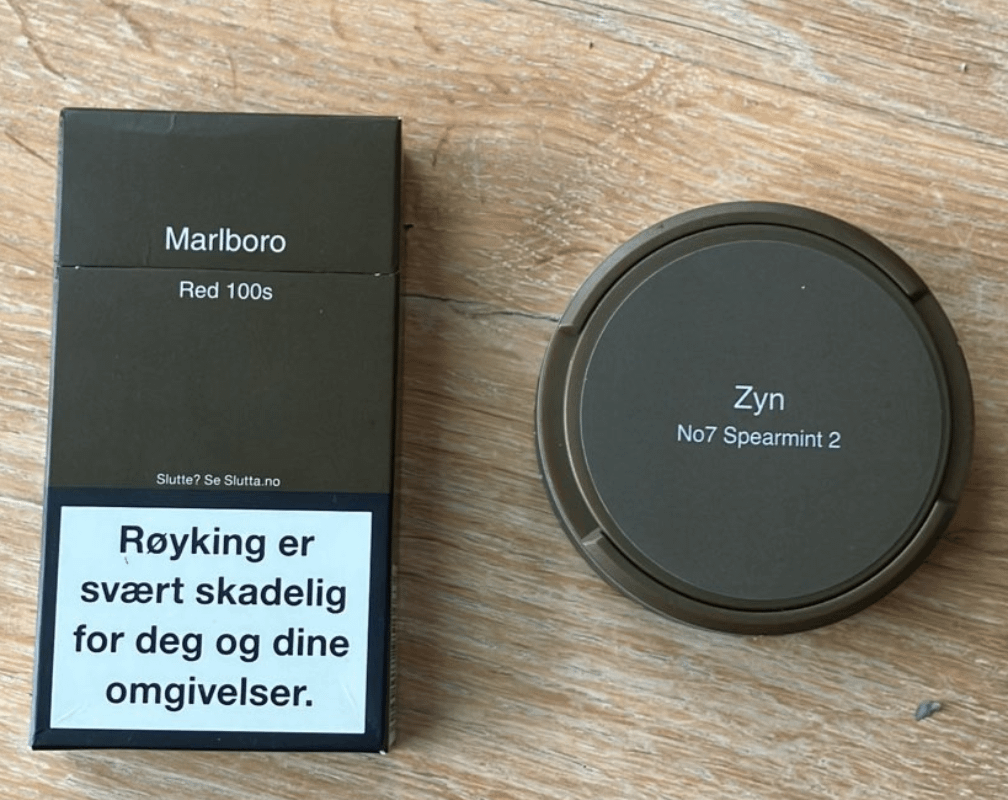
All nicotine products in Norway have to use the same standardized packaging
Norway’s Bold Move: How Standardized Packaging Is Reshaping Nicotine Product Consumption
Norway has emerged as a global leader in tobacco control by mandating standardized (plain) packaging for all nicotine products. This powerful public health policy aims to curb smoking rates, reduce youth appeal, and prioritize consumer well-being over industry marketing. In this article, we explore Norway’s standardized packaging laws, their impact, and what they mean for consumers, businesses, and the future of nicotine regulation.
What Is Standardized Packaging?
Standardized packaging—also known as plain packaging—removes all brand-specific designs, colors, logos, and promotional elements from nicotine product packaging. Instead, products use uniform:
- Colors: Drab, unattractive hues (e.g., Pantone 448 C “mud-brown”).
- Fonts: Standardized size and style for brand names.
- Graphic Health Warnings: Covering 65% of packaging with images/text about smoking risks.
- No Brand Imagery: No lifestyle claims or emotional appeals.
Norway’s rules apply to cigarettes, snus, e-cigarettes, and other nicotine products, creating a consistent, unglamorous appearance across all items.
Why Did Norway Adopt Standardized Packaging?
Norway implemented standardized packaging in 2017–2018 (phased) as part of its aggressive anti-tobacco strategy, driven by:
- Public Health Goals: Reduce smoking rates (especially among teens).
- WHO Recommendations: Aligning with the Framework Convention on Tobacco Control (FCTC).
- De-glamorizing Nicotine: Eliminating slick packaging that attracts new users.
- Prioritizing Health Warnings: Amplifying messaging about cancer, addiction, and death.
With smoking rates already low (10% of adults in 2023 vs. 30% in 2001), Norway aims for a smoke-free generation by 2025.
Key Rules Under Norway’s Plain Packaging Law
- Uniform Design: All packages must match government specifications for size, color, and layout.
- Health Warnings: 65% of packaging must display graphic/text warnings in Norwegian.
- Brand Names Only: In small, standardized font—no logos or slogans.
- Hidden Sales: Products must be stored out of sight in stores (no visible displays).
- Taste Descriptors Banned: Terms like “menthol” or “fruit” are prohibited.
Impacts of Standardized Packaging in Norway
Public Health Wins
- Lower Appeal for Youth: Plain packs reduce curiosity and initiation rates.
- Increased Quit Attempts: Prominent health warnings motivate smokers to quit.
- De-normalization: Smoking loses social cachet when products look identical and unappealing.
Business Challenges
- Limited Brand Differentiation: Manufacturers can’t use packaging to stand out.
- Declining Sales: Tobacco industry reports reduced revenue post-implementation.
- Cross-Border Purchases: Some consumers buy non-standardized products abroad.
International Context & Adoption
Norway joined Australia (2012), the UK (2017), and France (2020) in adopting standardized packaging. Studies show these laws reduce smoking rates by an estimated 5–20%, supporting the WHO’s call for global adoption.
Criticisms & Controversies
- Retailer Concerns: Complaints about lost sales and logistical hassles.
- Illicit Trade Fears: Counterfeit products may exploit plain packaging (though Norway’s enforcement remains strong).
- Free Market Debate: Critics argue the law infringes on intellectual property rights.
The Future of Nicotine Regulation in Norway
Norway continues to tighten nicotine policies, including:
- Tax Hikes: Raising prices to deter purchases.
- Flavor Restrictions: Banning menthol and sweetened nicotine pouches.
- E-Cigarette Rules: Stricter limits on vaping products to prevent youth uptake.
FAQs About Norway’s Standardized Packaging
Q: Does plain packaging include e-liquids?
Yes—all nicotine products (e-cigarettes, snus, etc.) must comply.
Q: Can tourists bring non-standardized nicotine into Norway?
Legally, yes for personal use—but sales within Norway require plain packaging.
Q: Has standardized packaging worked?
Early data show reduced smoking rates, particularly among young people.
Conclusion
Norway’s standardized packaging policy is a cornerstone of its world-leading public health strategy. By stripping nicotine products of their marketing allure, the country sends a clear message: health outcomes trump corporate profits. As other nations follow Norway’s lead, this bold approach may redefine how societies combat nicotine addiction worldwide.
Keywords for SEO:
Norway standardized packaging, plain packaging tobacco Norway, nicotine product regulations Norway, Norway tobacco laws 2024, health warnings Norway, snus plain packaging, smoke-free Norway 2025.
For the latest updates, refer to the Norwegian Ministry of Health and Care Services or the Norwegian Directorate of Health.