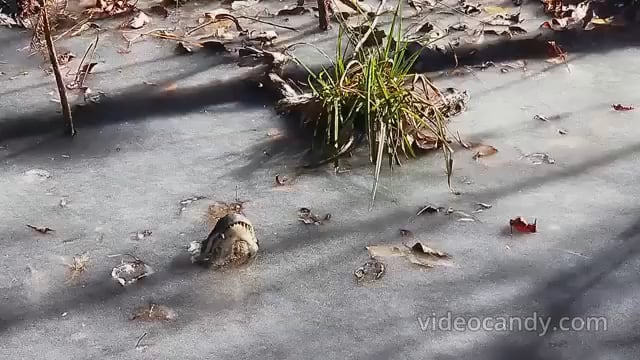
American alligators enter brumation in freezing weather, stick their snouts above water to breathe, and survive with very slow metabolism.
Title: Surviving the Deep Freeze: The Fascinating Brumation Tactics of American Alligators
When winter temperatures plummet, many animals migrate or hunker down to survive. But few strategies are as astonishing as that of the American alligator (Alligator mississippiensis). These ancient reptiles, native to the southeastern U.S., enter a state called brumation—a reptilian version of hibernation—to endure freezing conditions. Their survival hinges on remarkable adaptations: lifting their snouts above ice-covered water to breathe and slowing their metabolism to a crawl. In this article, we’ll dive into the science behind their chilly resilience and why it matters for understanding wildlife in a changing climate.
What is Brumation?
Unlike mammals, which hibernate by sleeping deeply through winter, cold-blooded reptiles like alligators brumate. Brumation is a period of dormancy driven by environmental cues like temperature and daylight. As water temperatures drop below 70°F (21°C), alligators become lethargic. Once it nears freezing, they retreat to burrows or deeper water and enter full brumation. Their heart rate slows to just 3–5 beats per minute, and they stop eating for weeks or even months, relying on stored fat reserves.
The Snout Strategy: Breathing on Ice
One of the most iconic winter images in the South is an alligator’s snout protruding through a layer of ice. This “snorkeling” behavior is a lifeline. Alligators can hold their breath for hours under normal conditions, but brumation requires oxygen intake over extended periods. By positioning their snouts above the waterline:
- They ensure continuous access to air even if the water’s surface freezes.
- Their specialized nostrils seal shut when submerged, preventing water intake.
- If ice forms around the snout, they can break through thin layers with muscle movements.
This adaptation is so effective that alligators in North Carolina have been documented surviving weeks of sub-zero temperatures.
Metabolic Mastery: Slowing Down to Survive
Alligators aren’t just tough—they’re masters of energy conservation. During brumation:
- Metabolism drops by 90%: Their bodily functions almost shut down, reducing the need for food.
- Lactic acid buildup is minimized: Unlike mammals, alligators avoid muscle cramps by metabolizing calcium to neutralize acid.
- Immune function remains active: They retain defenses against infections despite extreme inactivity.
This survival mode allows them to endure months without eating, emerging thinner but alive when temperatures rise.
Why Does Brumation Matter?
- Climate Resilience: As climate extremes worsen, understanding brumation helps predict how alligators (and ecosystems) will adapt to erratic freezes or warmer winters.
- Keystone Species Role: Alligators create “gator holes” that provide water for other wildlife during droughts. Their survival ensures wetland health.
- Evolutionary Wonder: These reptiles have used brumation for millions of years, proving their resilience since the time of dinosaurs.
FAQs About Alligator Brumation
- Q: How cold is too cold for alligators?
A: Prolonged exposure below 40°F (4°C) can be fatal, but brief freezes are survivable thanks to brumation. - Q: Do alligators ever freeze solid?
A: No—their blood contains proteins that prevent lethal ice formation in tissues. - Q: Can humans disturb brumating alligators?
A: Yes! Never approach a brumating gator. Waking them wastes precious energy reserves.
Conclusion: Ancient Survivors in a Modern World
American alligators embody nature’s ingenuity, using brumation as a shield against winter’s bite. Their ability to thrive in icy waters—snouts up, metabolism low—highlights the delicate balance of wetland ecosystems. As stewards of these habitats, protecting alligators means safeguarding a biodiversity hotspot that depends on their ancient rhythms.
By learning from their cold-weather tactics, we gain not only awe for these prehistoric giants but also insights into resilience in an era of environmental change.