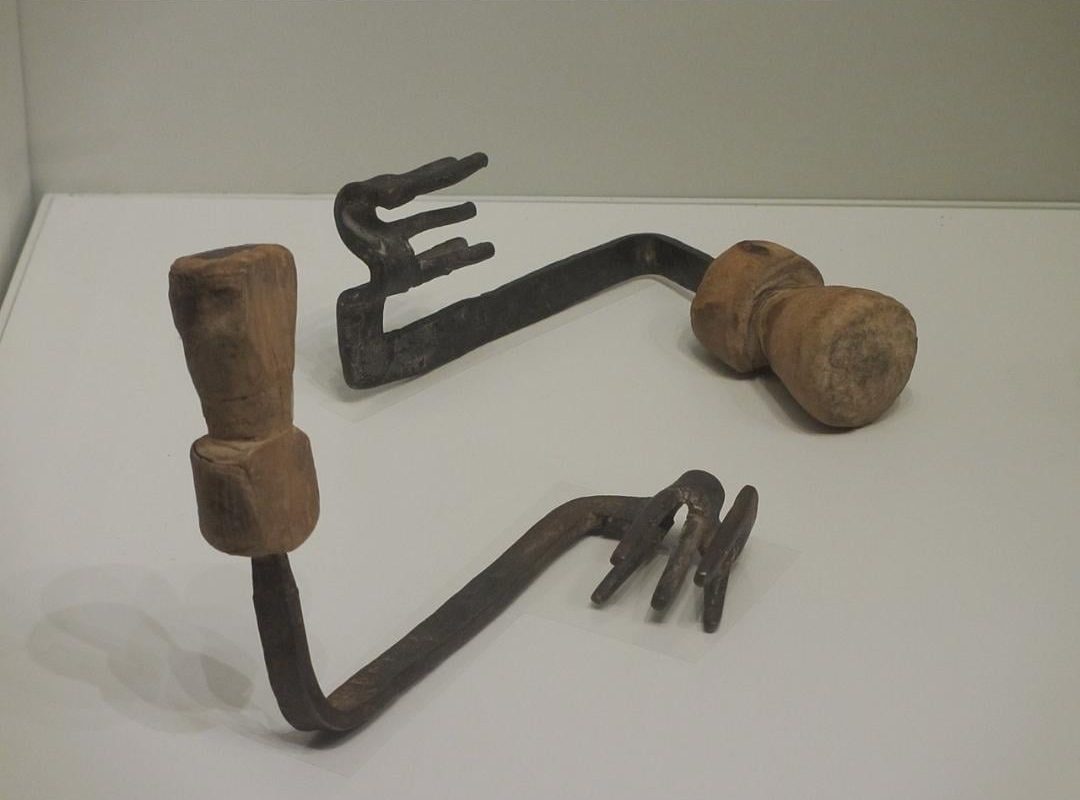
Ancient house keys from the Roman period found in the Cave of Letters, near En-Gedi
Unlocking History: Ancient Roman House Keys Discovered in the En-Gedi Cave of Letters
In a remarkable discovery that offers a tangible link to daily life under Roman rule, archaeologists unearthed ancient Roman house keys within the Cave of Letters near En-Gedi, Israel. These well-preserved artifacts, dating back nearly two thousand years, provide a fascinating glimpse into domestic security, craftsmanship, and the turbulent era of Jewish rebellion against imperial authority.
Key Takeaways:
- Location: Cave of Letters, Judean Desert, near the ancient oasis of En-Gedi, Israel.
- Discovery: Iron keys found during 1960s excavations led by Yigael Yadin.
- Historical Context: Linked to the Bar Kokhba Revolt (132-136 CE) against Roman rule.
- Significance: Demonstrates Roman influence on daily life and domestic architecture in Judea.
The Cave of Letters: A Time Capsule of Rebellion
The Cave of Letters, located in the steep cliffs overlooking the Dead Sea, gained fame in the 1960s for yielding an extraordinary cache of artifacts and documents from the Bar Kokhba Revolt, the last major Jewish uprising against the Roman Empire. Among the scrolls, textiles, and tools, archaeologists discovered iron house keys — simple yet profound relics that once safeguarded Roman-era dwellings.
What These Ancient Keys Reveal About Roman Domestic Life
The Roman keys found in the cave are small and utilitarian, crafted from iron with a classic “L-shaped” design. Unlike ornate ceremonial keys from later eras, these objects served a practical purpose:
- Security: Locks and keys in Roman homes (often wooden doors with metal fittings) protected valuables and symbolized domestic privacy.
- Social Status: Owning a lockable home was a mark of middle-class status in Roman provinces like Judea.
- Craftsmanship: The durable iron construction reflects Roman metallurgical skills, even in remote outposts.
Why Were Keys Hidden in the Cave?
The Cave of Letters served as a refuge for Jewish rebels and families fleeing Roman legions during the Bar Kokhba Revolt. The keys likely belonged to refugees who abandoned their homes in nearby villages like En-Gedi, taking cherished or useful items into hiding. Tragically, many never returned to reclaim them, leaving these keys as silent witnesses to a desperate struggle for freedom.
The Bar Kokhba Connection: Keys to a Lost World
Historical records suggest En-Gedi was a rebel stronghold during the revolt. Artifacts found alongside the keys — including letters signed by Simon Bar Kokhba himself — confirm the cave’s role as a wartime hideout. The presence of Roman-style keys also illustrates the cultural blending in Judea: Jewish families adopted Roman domestic technologies while resisting imperial rule.
Preserving the Legacy: Where Are the Keys Today?
The Cave of Letters keys are housed in the Israel Museum, Jerusalem, alongside other artifacts from the site. Researchers continue to study them to understand:
- Roman lock-making techniques.
- The layout of homes in ancient En-Gedi.
- Refugee behavior during conflicts.
Visiting the Cave of Letters Today
While the original keys are in museums, adventurous travelers can explore the En-Gedi Archaeological Park, hike to the Cave of Letters, and envision the stark landscape where these artifacts survived centuries. The site remains a powerful testament to resilience and the enduring human need for security — a need symbolized by a humble iron key.
FAQs: Roman Keys from the Cave of Letters
-
How old are these keys?
They date to 132–136 CE, during the Bar Kokhba Revolt. -
Were keys common in Roman Judea?
Yes, but mostly among those with property. Simpler dwellings often relied on bolts or bars. -
What did Roman locks look like?
Most were warded locks made of wood or metal, requiring a matching key to lift tumblers. -
Has the Cave of Letters yielded other significant finds?
Yes, including rebel correspondence, coins, textiles, and rare personal items like cosmetic tools.
Conclusion: Unlocking the Past
The ancient house keys from the Cave of Letters transcend their practical function. They evoke intimate stories of families tending homes in En-Gedi’s oasis, fleeing violence, and clinging to symbols of normalcy in turbulent times. For archaeologists and history enthusiasts alike, these small artifacts remain keys to understanding an era of upheaval that shaped the ancient world.