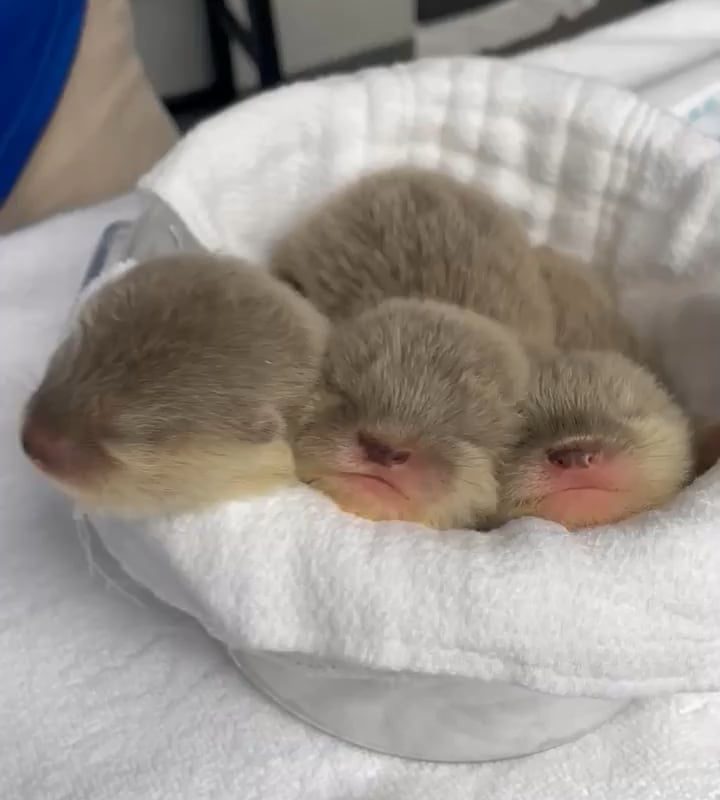
Baby otters chirping!
Title: Why Do Baby Otters Chirp? The Adorable Science Behind the Sound
Meta Description: Discover why baby otters chirp, how this sweet sound helps them survive, and why it melts hearts worldwide. Dive into the science of otter communication!
The Enchanting Chirp of Baby Otters: Nature’s Cutest SOS
Few sounds in nature are as instantly heart-melting as the high-pitched chirps of a baby otter. These fuzzy, playful pups use chirping as their primary way to communicate, creating an audible signature of curiosity and dependence. But what does it mean, and why do they do it? In this article, we explore the science, survival secrets, and sheer charm behind baby otters’ iconic chirps.
What Does a Baby Otter Chirp Sound Like?
Imagine a cross between a bird’s tweet, a kitten’s mewl, and a squeaky toy—baby otter chirps are uniquely high-pitched and rapid. These sounds, often likened to “peeps,” serve as their voice before they develop the vocal range of adult otters.
Fun Fact: Sea otter pups chirp almost constantly when separated from their mothers, while river otter pups use chirps more during play.
Why Do Baby Otters Chirp? 4 Key Reasons
Their chirping isn’t just adorable—it’s critical for survival!
1. Communication with Mom
Baby otters are entirely dependent on their mothers for food, warmth, and protection. Chirping helps moms locate their pups in dense riverbanks or murky waters. Sea otter mothers even “talk back” with softer grunts to reassure their young.
2. Safety in Numbers
Otters live in family groups called “rafts.” Chirping helps pups stay close to siblings and alert the group to potential dangers like eagles or coyotes.
3. Learning to Socialize
Playful chirping is part of how otter pups bond. Think of it as their version of laughter during wrestling matches or slide-downs on muddy banks!
4. Stress or Hunger Signals
Loud, frantic chirps mean a pup is distressed—hungry, cold, or separated from its family. Zoologists note that orphaned otters chirp persistently until comforted.
Chirping Across Otter Species
Not all otter pups chirp the same way!
- Sea Otters: Loud, frequent chirps to stay heard over ocean waves.
- River Otters: Quieter, shorter peeps suited to riverside habitats.
- Giant Otters: Deeper, raspier chirps that sound like hiccups!
How Scientists Study Otter Chirps
Researchers use hydrophones (underwater microphones) and AI to decode otter vocalizations. Studies reveal that each pup’s chirp is as unique as a human’s voice—mothers can recognize their own baby’s calls in a crowd!
Did You Know? Baby otters learn to “speak” within days of birth. By two months old, they refine their chirps to express specific needs.
Why Humans Love the Sound (Hint: It’s Science!)
The high frequency of baby otter chirps (between 1–4 kHz) triggers our brain’s “cute response.” Humans instinctively associate these sounds with vulnerability, releasing dopamine—the same “feel-good” chemical behind baby giggles or puppy yawns.
Threats to Chirping Otter Families
Habitat loss, pollution, and climate change endanger otter populations worldwide. Conservation Wins:
- Southern sea otters rebounded from 50 to 3,000 after hunting bans.
- River otters reintroduced in the U.S. Midwest now thrive in 11 states.
How to Help:
Support wetland conservation groups or “Adopt an Otter” programs (like WWF or Monterey Bay Aquarium).
FAQs About Baby Otter Chirps
Q: Do adult otters chirp too?
A: Rarely! Adults use whistles, growls, or purrs. Chirping fades as pups mature.
Q: Are chirps a sign of happiness?
A: Not exactly—it’s more about communication. Happy otters show joy through splashing or playing!
Q: Can I hear chirps at zoos?
A: Yes! Pups in sanctuaries (like Georgia Aquarium) chirp while cuddling with caregivers.
Final Thoughts
Next time you watch a viral video of chirping baby otters, remember: those tiny peeps are a survival superpower. They unite families, deter predators, and remind us why protecting these playful animals matters. Share this article to spread otter awareness—and let the world fall in love with their sounds!
SEO Tips for Optimization:
- Target Keywords: baby otters chirping, otter pup sounds, why do otters chirp.
- Multimedia: Embed videos of chirping otters (e.g., YouTube compilations).
- Internal Links: Link to related articles about otter habitats or otter species facts.
- External Links: Authority sites like National Geographic or IUCN’s otter conservation pages.
Want more cute wildlife content? Explore our “Animal Communication” series!