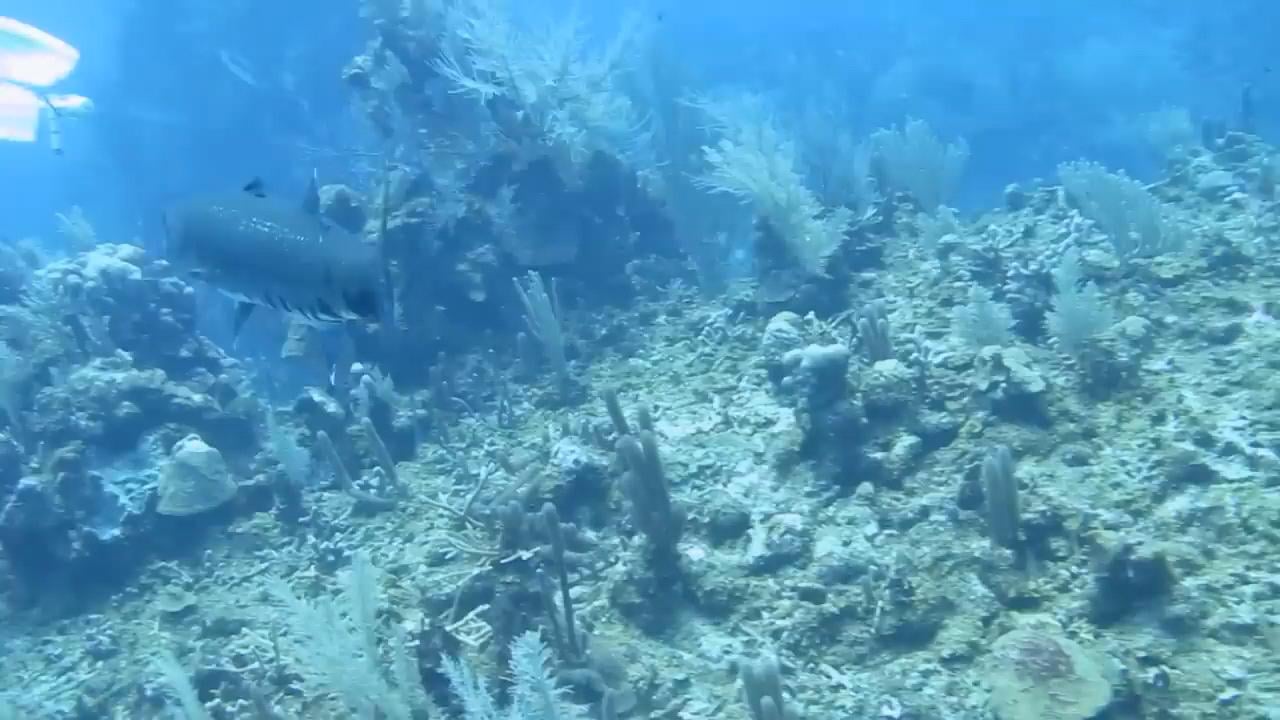
Barracuda devours lionfish
Title: Barracuda vs. Lionfish: Nature’s Answer to an Invasive Species Crisis
Meta Description: Discover how barracudas are stepping up as unexpected predators of invasive lionfish, offering hope for coral reef recovery. Learn why this matters for marine ecosystems.
Introduction
In a stunning display of natural predation, a barracuda devouring a lionfish isn’t just a rare underwater spectacle—it’s a critical ecological defense mechanism. As invasive lionfish continue to ravage Atlantic and Caribbean reefs, scientists and divers are celebrating sightings of apex predators like barracudas turning the tide. This article explores the fascinating dynamics of this predator-prey relationship and its implications for marine conservation.
The Lionfish Invasion: A Coral Reef Catastrophe
Native to the Indo-Pacific, lionfish (Pterois volitans and Pterois miles) first appeared in Florida waters in the 1980s, likely released from aquariums. With no natural predators in the Atlantic, they exploded across coastlines from the Carolinas to Brazil, consuming juvenile fish and outcompeting native species. Key impacts include:
- Voracious appetites: A single lionfish can eat 30x its stomach volume.
- Venomous spines: Their 18 toxic spines deter most predators.
- Reproductive dominance: Females spawn 2 million eggs yearly.
Without intervention, lionfish threaten biodiversity, fisheries, and reef resilience. Enter an unlikely hero: the barracuda.
Barracudas: The Speed Demons of the Reef
Barracudas (Sphyraena spp.) are torpedo-shaped predators known for ambushing prey with bursts of 35+ mph speed. While they typically hunt snappers, grunts, and small tuna, divers increasingly report barracudas attacking lionfish—despite their venomous spines.
How do they do it?
- Lightning strikes: Barracudas swallow lionfish whole, avoiding contact with spines.
- Tactical precision: They target the head or mid-body, minimizing venom exposure.
- Learned behavior: Some evidence suggests barracudas adapt hunting strategies to exploit this new prey.
Why Barracuda Predation Matters for Ecosystems
While human efforts (e.g., spearfishing derbies) have culled lionfish, natural predators are essential for sustainable control. Barracudas joining the fight signals ecological adaptation:
- Food chain rebalancing: Predation curbs lionfish population growth.
- Prey recovery: Reduced lionfish numbers allow native fish populations to rebound.
- Hope for reefs: Healthier reefs mean better resilience to climate change and bleaching.
Did you know? Grouper, moray eels, and sharks also occasionally eat lionfish—but none as frequently as barracudas in some regions.
The Bigger Picture: Conservation and Human Responsibility
While barracudas offer a glimmer of hope, they can’t eradicate lionfish alone. Humans must support the process:
- Dive responsibly: Join organized lionfish culls or report sightings.
- Eat sustainably: Lionfish are delicious and eco-friendly (when handled safely).
- Protect predators: Advocate for bans on overfishing barracudas and sharks.
Conclusion
The sight of a barracuda devouring a lionfish embodies nature’s resilience. As predators adapt to invasive threats, this rivalry underscores the urgency of preserving marine biodiversity. By supporting natural balancing acts and human-led efforts, we can turn the tide for coral reefs—one bite at a time.
Focus Keyword: Barracuda devours lionfish
Tags: Marine conservation, invasive species, lionfish, barracuda, coral reef ecosystems

![[OC] the way this snow fits inside this button](https://www.smartplusmedia.com/wp-content/uploads/2026/02/OC-the-way-this-snow-fits-inside-this-button-445x265.jpeg)