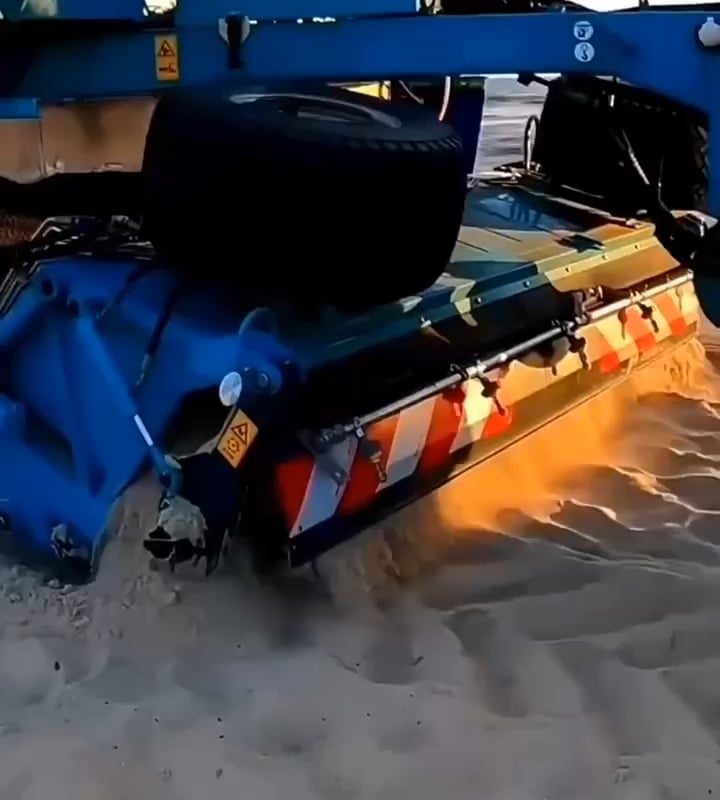
Beach cleaning machine
Title: Beach Cleaning Machines: The Ultimate Guide to Efficient Sand Maintenance
Intro:
Picture pristine shores, crystal-clear waters, and sand so clean it sparkles under the sun. Achieving this idyllic vision isn’t just about nature—it’s about maintenance. Enter beach cleaning machines, the unsung heroes that transform littered coastlines into safe, inviting spaces. In this guide, we’ll explore how these machines work, their environmental and economic benefits, and how to choose the right one for your shoreline.
Why Beaches Need Cleaning Machines
Coastal pollution is a global challenge:
- Plastic & Microplastics threaten marine ecosystems.
- Broken Glass, Cigarettes, & Fishing Debris pose risks to tourists and wildlife.
- Organic Waste (like seaweed) decomposes, creating odor and bacteria buildup.
Manual cleanup is slow and labor-intensive, making mechanized solutions essential for large or heavily trafficked beaches.
How Do Beach Cleaning Machines Work?
These machines efficiently sift, collect, and separate debris from sand using specialized mechanisms:
- Screening/Sifting: A vibrating mesh or drum filter separates trash from sand (e.g., plastic, shells, pebbles).
- Raking/Tilling: Blades or tines dig into wet or compacted sand, lifting debris for collection.
- Conveyor Systems: Transport waste to attached bins for disposal.
- Magnetized Components collect metallic items like bottle caps or nails.
Types of Beach Cleaning Machines
Choose a model based on your beach’s size and debris profile:
1. Tractor-Towed Cleaners
- Best for: Large public or resort beaches.
- How it works: Attached to a tractor/ATV, these raking machines dig 6–10 inches deep to remove bulky debris.
- Examples:
- Barber SURF RAKE®: Handles rocks, seaweed, and pollution in a single pass.
- Cherrington 5500: Excels on tide-impacted shorelines.
2. Walk-Behind Sand Sifters
- Best for: Small beaches, private resorts, or post-event cleanup.
- How it works: Lightweight, human-operated models sift surface-level litter without deep excavation.
- Examples: CleanSands BECS Beachers, ideal for playgrounds or volleyball courts.
3. Beach Combing Machines
- Best for: Heavy seaweed, driftwood, or post-storm debris.
- How it works: Giant rotating drums comb through sand and lift waste onto conveyors.
- Example: UNICORN Kangur Power Plus for marshy or uneven terrain.
Key Benefits of Mechanized Beach Cleaning
- Speed & Efficiency: Clean 20,000–40,000 m²/hour vs. days of manual labor.
- Economic Value: Boost tourism by maintaining attractive, hygienic shores.
- Environmental Protection: Remove microplastics before they enter oceans.
- Versatility: Handle diverse debris—from algae to syringes.
Choosing the Right Beach Cleaning Machine
Ask yourself:
- Debris Type: Wet seaweed? Cigarette butts? Rocks?
- Heavy organic waste → Towed rakes with deep screening.
- Fine litter → Sifters with adjustable mesh.
- Sand Conditions:
- Dry, powdery sand → Walk-behind sifters.
- Wet, compacted sand → Tractor-mounted tillers.
- Mobility Needs:
- Vehicle-towed units for vast areas.
- Battery-powered models for noise-sensitive zones.
Top Brands to Consider
- H. Barber & Sons → Industry leaders with 50+ years of innovation.
- CleanSands → Specializes in eco-friendly, portable cleaners.
- Terrecom → Rugged models for extreme conditions (e.g., volcanic sand).
Eco-Impact: Beyond Cleanup
Modern machines prioritize sustainability:
- Low Emission Engines: Electric or hybrid options reduce carbon footprints.
- Sand Preservation: Gentle sifting preserves natural grain composition.
- Wildlife Protection: Operators avoid nesting sites during breeding seasons.
FAQs About Beach Cleaning Equipment
Q: Can machines remove oil spills?
A: No—specialized bioremediation or absorbents are needed for hydrocarbons.
Q: Are they safe for turtle eggs or crabs?
A: Yes, adjustable screening depths protect buried organisms (critical for eco-certified beaches).
Q: What maintenance do they require?
A: Daily debris-bin emptying, weekly belt inspections, and annual engine servicing.
Conclusion
Beach cleaning machines are no longer a luxury—they’re a necessity for preserving our coastlines. By investing in the right technology, communities can protect marine ecosystems, support tourism economies, and ensure beaches remain vibrant for generations. Whether you’re a city planner or a resort manager, explore mechanized cleaning to make shoreline maintenance faster, greener, and hassle-free.
Optimized Keywords: Beach cleaning machine, sand cleaning equipment, mechanical beach cleaner, shoreline maintenance, Barber SURF RAKE, eco-friendly beach cleanup.
Meta Description: Discover how beach cleaning machines work, their environmental benefits, and how to choose the best model for efficient sand sifting and debris removal.