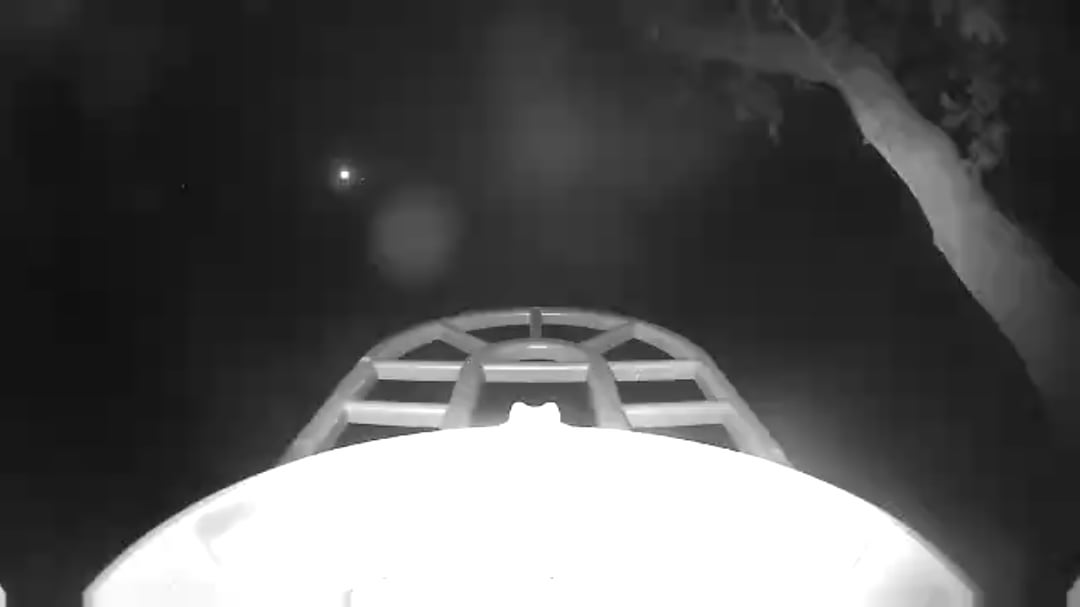
Bear went into my bird feeder
Title: Bear In Your Bird Feeder? How to Respond (And Prevent Future Visits)
Discovering a bear has raided your bird feeder is equal parts awe-inspiring and alarming. These powerful creatures can cause significant property damage in their quest for an easy meal, but more importantly, these encounters are dangerous—for you, your neighbors, and the bear itself. Here’s how to handle the situation responsibly and keep both wildlife and birds safe.
Why Do Bears Target Bird Feeders?
Bears have an extraordinary sense of smell (up to 20 miles away!) and are opportunistic omnivores. Birdseed, suet cakes, and hummingbird nectar are calorie-dense food sources, making them irresistible to bears, especially in spring and fall when they’re preparing for or recovering from hibernation. A single pound of birdseed provides roughly 3,500 calories—equivalent to a full day’s energy requirement for a black bear.
The Dangers of Bears at Bird Feeders
- Human Safety Risk: A bear that loses its fear of humans may become aggressive.
- Bear Safety Risk: Habituated bears often end up euthanized as “nuisance animals.”
- Property Damage: Bent poles, destroyed feeders, and trampled gardens are common.
- Bird Safety: Bears may return repeatedly, scaring away birds and disrupting your backyard ecosystem.
Immediate Steps if a Bear Visits Your Feeder
- Remove All Bird Food Immediately: Take down feeders, clean up spilled seeds/nuts, and store them indoors—not in garages or sheds. Bears can easily break into outbuildings.
- Eliminate Other Attractants: Secure trash cans, compost bins, pet food, and BBQ grills. Even hummingbird feeders with sugary nectar can lure bears.
- Temporarily Stop Feeding Birds: Wait at least 2–3 weeks after the last bear sighting before rehanging feeders. This breaks the bear’s association of your yard with food.
- Report the Sighting: Contact local wildlife authorities (e.g., state DNR) to alert them. This helps track bear activity and prevent conflicts.
Long-Term Solutions: Bear-Proofing Your Bird Feeding Station
1. Bird Feeder Placement
- Hang feeders at least 10–12 feet high and 6–10 feet away from trees, decks, or structures that bears could climb.
- Use poles secured with concrete or cinder blocks. Thin, slippery metal poles (3–4 inches in diameter) deter climbing.
2. Invest in Bear-Resistant Feeders
- Weight-Activated Feeders: Close feeding ports when heavy animals (like bears) try to access them. Brands like Brome Squirrel Buster offer bear-proof models.
- Reinforced Designs: Look for steel-reinforced feeders with locking mechanisms (e.g., Wildlife Research Center or Woodlink).
3. Timing is Key
- Only put feeders out during daytime in bear-active regions. Bring them indoors every night at dusk, when bears are most active.
4. Choose Less Attractive Bird Foods
- Avoid suet, peanuts, sunflower seeds, and Nyjer thistle—all high-calorie bear magnets. Opt for safflower seeds (ignored by bears but loved by cardinals) or hot pepper-treated seeds (birds don’t taste the heat, but mammals like bears do).
5. Deterrents to Discourage Bears
- Motion-Activated Sprinklers or Lights: Scare bears away with sudden bursts of water or bright LEDs (e.g., Orbit Enforcer sprinkler).
- Electric Fencing: A low-cost electric fence (4,000+ volts) around feeders or compost areas effectively trains bears to avoid your yard.
Bear-Friendly Alternatives to Bird Feeders
Rather than risking conflicts, create a bird-friendly habitat bears aren’t interested in:
- Plant Native Berries & Shrubs: Serviceberry, dogwood, and elderberry nourish birds naturally.
- Install a Bird Bath: Fresh water attracts birds without attracting bears.
- Offer Nesting Boxes: Support breeding birds without providing food.
Frequently Asked Questions (FAQ)
Q: What if a bear keeps returning?
A: Remove all attractants for at least 3 weeks. Use ammonia-soaked rags near the feeder site—the strong smell may deter the bear.
Q: Can I relocate a bear myself?
A: No. Contact wildlife professionals immediately. Movement regulations vary by state.
Q: Will bears attack pets?
A: Rarely, but secure small pets indoors at night during bear season.
Final Thought: Coexisting Safely
While seeing a bear up close is unforgettable, their presence signals that your yard is too rewarding for them to ignore. By proactively bear-proofing your bird feeding setup, you protect local wildlife and ensure your feathered visitors thrive. Share these tips with neighbors—safety for bears, birds, and humans starts with community awareness!
SEO Keywords: bear in bird feeder, bear-proof bird feeder, bears and bird feeders, stop bears from bird feeders, bear-resistant bird feeder, bird feeder destroyed by bear, wildlife-proof bird feeders, black bear bird feeder, how to deter bears from feeders, bear-safe bird feeding