Can bees climb to 5280 feet?
The High-Flying Romance of Bees: Unveiling the Aerial Mating Ritual
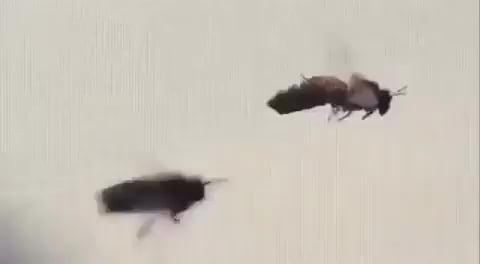
When we think of bees, we often picture buzzing pollinators or honey producers. But few realize that one of nature’s most fascinating reproductive rituals happens hundreds of feet in the air: bees mate while in flight. This high-stakes aerial courtship is not only critical for hive survival but also a jaw-dropping display of evolutionary ingenuity. In this article, we explore the science behind this airborne phenomenon and why it matters for ecosystems worldwide.
The Aerial Courtship: A Queen’s Mission
Bees don’t date—they take to the skies. Unlike many insects, honeybees (Apis mellifera) rely on mid-air mating to ensure genetic diversity and colony strength. Here’s how it works:
-
The Queen Takes Flight:
A virgin queen bee leaves the hive for her nuptial flight (or mating flight), soaring up to 100 feet high. She releases powerful pheromones to attract drones (male bees) from up to 5 miles away. -
Drone Congregation Areas (DCAs):
Drones gather in specific zones, often above landmarks like trees or hills, forming competitive “bachelor swarms.” Only the fastest, strongest drones can catch the queen mid-flight. -
Mid-Air Mating:
The queen mates with 10–20 drones in a single flight, each mating lasting just 1–5 seconds. Drones’ reproductive organs explosively detach after mating, killing them instantly. This ensures their sperm is securely transferred. -
Return to the Hive:
The queen stores up to 6 million sperm in her spermatheca (an internal organ), which she’ll use to fertilize eggs for the rest of her life (2–5 years).
Why Mid-Air Mating? Evolutionary Advantages
This risky aerial ballet offers bees key survival benefits:
-
Genetic Diversity:
Mating with multiple drones from different colonies mixes genes, boosting disease resistance and adaptability. -
Avoiding Predators:
High altitudes reduce the threat of ground-based predators like spiders or ants. -
Efficient Natural Selection:
Only elite drones with sharp vision, strong wings, and navigation skills succeed, ensuring only the fittest genes are passed on.
Key Players: The Castes Involved
- The Queen:
She’s the star of the show—her sole purpose is reproduction. After mating, she returns to lay up to 2,000 eggs daily. - Drones:
Male bees exist purely to mate. They lack stingers, don’t collect pollen, and are expelled from hives in winter to conserve resources. - Worker Bees:
Females that don’t mate but support the queen and hive. They orchestrate the queen’s mating flights by feeding her royal jelly.
Challenges & Risks
This ritual isn’t without peril:
- Weather Dependency: Mating occurs on warm, sunny days. Rain or wind can disrupt flights, delaying colony growth.
- Predation: Birds or dragonflies may snatch drones or queens mid-flight.
- Human Impact: Pesticides and habitat loss disrupt DCAs, threatening bee populations.
Why This Matters for Ecosystems
Bees are keystone pollinators, responsible for 1 in 3 bites of food we eat. Successful mating ensures robust colonies to pollinate crops and wild plants. Understanding their reproductive quirks helps conservationists protect these vital insects.
Fun Facts About Bee Mating Flights
- A queen mates only once in her lifetime but can store sperm for years.
- Drones have oversized eyes to spot queens against the sky.
- If a queen fails to mate, she’ll lay only unfertilized eggs (which become drones), dooming the hive.
Conclusion
Next time you see bees buzzing in your garden, remember: their survival hinges on an awe-inspiring, high-altitude mating ritual millions of years in the making. Protecting bees isn’t just about saving honey—it’s about safeguarding a reproductive wonder that keeps our ecosystems thriving.
Support Bee Conservation: Plant pollinator-friendly flowers, avoid pesticides, and advocate for habitat preservation. Together, we can ensure these airborne romances continue for generations.
Keywords for SEO: bee mating flight, how do bees mate, queen bee nuptial flight, drone bees, honeybee reproduction, why bees mate in air, bee conservation, pollination, drone congregation areas, Apis mellifera mating.