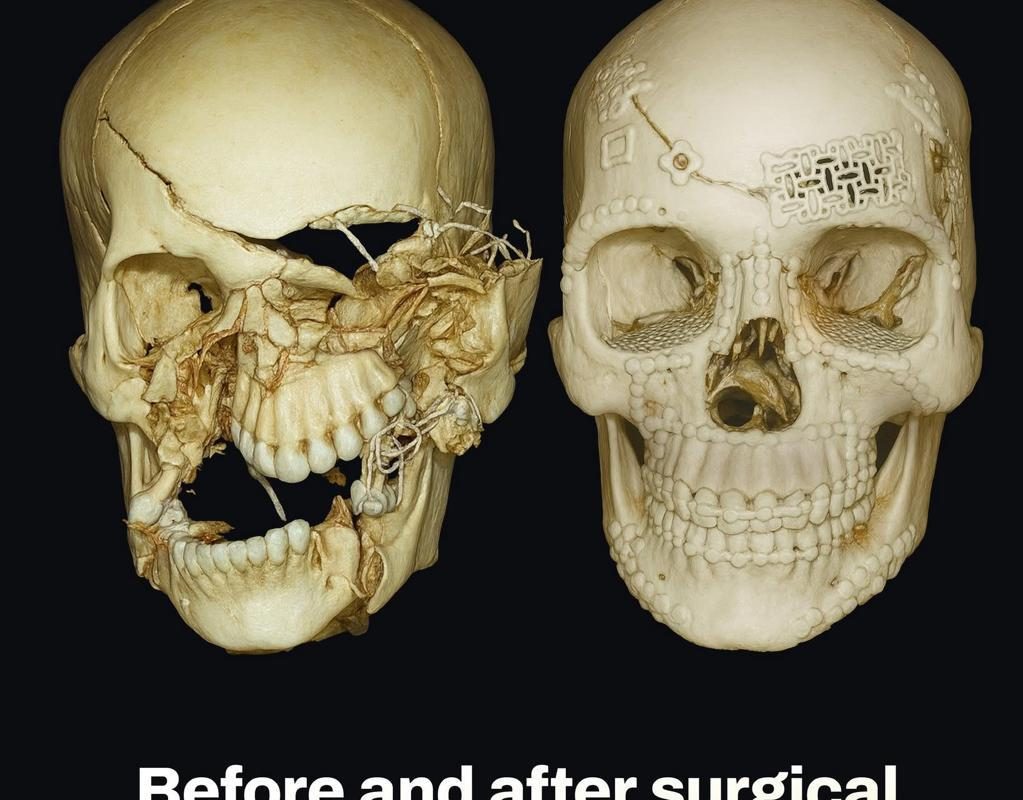
Before and after surgical repair of skull fractures from an accident.
Title: Before and After Skull Fracture Surgery: What to Expect from Diagnosis to Recovery
Meta Description: Learn about the process of surgical repair for skull fractures after accidents, including symptoms before surgery, the procedure itself, and long-term recovery.
Understanding Skull Fractures: The Impact of Trauma
A skull fracture occurs when a forceful impact — such as a car accident, fall, or sports injury — causes a break in one or more bones of the skull. While minor fractures may heal without intervention, severe fractures often require surgical repair to prevent life-threatening complications like brain damage, infection, or cerebrospinal fluid (CSF) leaks.
This article guides you through the before-and-after journey of skull fracture surgery, highlighting critical steps in diagnosis, treatment, and rehabilitation.
Before Surgery: Diagnosis & Immediate Care
Recognizing Signs of a Skull Fracture
Symptoms following head trauma may include:
- Visible deformities (dents, swelling, bruising)
- Neurological issues: confusion, dizziness, or loss of consciousness
- Bleeding from the nose, ears, or scalp
- CSF leakage (clear fluid from nose/ears)
- Severe headaches, nausea, or vision changes
Immediate medical attention is vital. Doctors use CT scans or MRIs to assess fracture type and severity:
- Linear fractures: Simple cracks (may not need surgery).
- Depressed fractures: Sunken bone fragments pressing on the brain.
- Basilar fractures: Breaks at the skull base (risk of CSF leaks).
- Open fractures: Bone penetrates the scalp (high infection risk).
When Is Surgery Necessary?
Surgery becomes urgent if the fracture:
- Causes brain compression or bleeding (hematoma).
- Risks infection (open fractures).
- Creates a CSF leak or brain exposure.
- Involves significant displacement (e.g., depressed fractures).
During Surgery: Repair Techniques
Surgery typically involves a craniotomy, where surgeons:
- Make an incision in the scalp.
- Remove or reposition damaged bone fragments.
- Repair damaged tissue, blood vessels, or dura (brain’s protective layer).
- Reattach bone using plates, screws, or mesh, or perform a craniectomy (temporary skull removal to relieve brain swelling).
Minimally invasive options (e.g., endoscopic repair) may be used for smaller fractures.
After Surgery: Recovery & Rehabilitation
Immediate Post-Op Care (Hospital Stay)
- Monitoring: Patients are observed in the ICU for brain swelling, seizures, or infections.
- Pain management: Medications address headaches and incision discomfort.
- Mobility restrictions: No heavy lifting or bending to avoid pressure spikes.
Long-Term Recovery Timeline
- Weeks 1–4: Focus on wound healing and rest. Staples/stitches are removed.
- Months 1–3: Gradual return to light activities; cognitive fatigue and headaches may persist.
- 3–6+ months: Most patients resume normal routines, but severe cases require extended rehab.
Potential Complications
- Infection: Treated with antibiotics.
- Seizures: Anti-epileptic drugs may be prescribed.
- Cognitive changes: Memory issues or mood swings (may need speech/occupational therapy).
- Cranioplasty: If bone wasn’t reattached initially, a second surgery implants a synthetic plate.
Life After Skull Fracture Surgery
While recovery varies, most patients achieve significant improvement with:
- Physical therapy for motor skills or balance.
- Neurological follow-ups to track healing.
- Lifestyle adjustments: Helmets for high-risk activities, avoiding contact sports.
FAQs About Skull Fracture Repair
Q: How long does skull fracture surgery take?
A: Typically 2–5 hours, depending on complexity.
Q: Will I have permanent scarring?
A: Incisions are often hidden by hair; scars fade over time.
Q: When should I seek emergency care post-surgery?
A: For fever, worsening headaches, seizures, or fluid leaks.
Final Thoughts
Surgical repair of skull fractures can be life-saving, but success hinges on prompt treatment and diligent recovery. Advances in neurosurgery mean most patients regain their quality of life — though patience and adherence to medical advice are key.
Always consult a neurosurgeon for personalized guidance after head trauma.
Optimized Keywords: skull fracture surgery, craniotomy recovery, depressed skull fracture, post-head injury care, cranioplasty, CSF leak treatment, skull fracture rehabilitation.