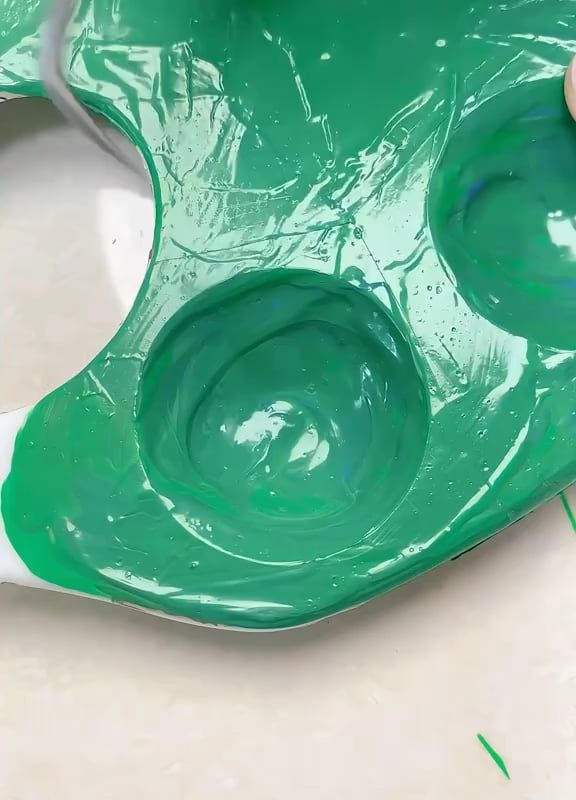
Best way to clean pigments
The Ultimate Guide: Best Way to Clean Pigments (Save Time, Money, and Your Supplies)
Pigments—whether from paints, inks, cosmetics, or industrial uses—can be a nightmare to clean if you don’t know the right techniques. Stubborn stains, wasted materials, and damaged tools are common pitfalls. But fear not! With the right methods, you can clean pigments quickly, safely, and effectively. In this guide, we’ll reveal the best way to clean pigments from any surface, while protecting your supplies and health.
Why Proper Pigment Cleaning Matters
Before diving into techniques, let’s understand why cleaning pigments correctly is essential:
- Avoid contamination: Unclean tools mix colors or degrade quality.
- Extend supply life: Proper cleaning preserves brushes, palettes, and equipment.
- Prevent stains: Pigments like ultramarine or cadmium can permanently stain fabrics and surfaces.
- Safety first: Some pigments are toxic (e.g., lead-based) and require careful handling.
Step-by-Step: Best Way to Clean Pigments
Follow these universal steps to remove pigments without damage:
1. Safety First!
- Wear gloves (nitrile for chemical resistance).
- Use a mask if handling airborne powders (e.g., dry mineral pigments).
- Work in a well-ventilated area, especially with solvents or toxic pigments.
2. Act Fast!
Pigments harden over time. For wet spills:
- Wipe excess with a paper towel immediately.
- Avoid rubbing—this spreads the pigment deeper into porous surfaces.
3. Choose the Right Cleaning Agent (by Pigment Type)
Different pigments require tailored approaches:
| Pigment Type | Best Cleaning Agent |
|---|---|
| Water-based (acrylic, gouache) | Warm water + mild soap (e.g., dish soap) |
| Oil-based (oil paints) | Solvents like mineral spirits or linseed oil |
| Dry Powder Pigments | Vacuum residue first, then damp microfiber cloth |
| Industrial/Ink Pigments | Isopropyl alcohol (70%+) or specialized cleaners |
| Cosmetic Pigments | Makeup remover or micellar water |
4. Surface-Specific Cleaning Tips
Brushes & Tools
- Acrylic/Oil Brushes: Swirl in solvent (for oils) or soapy water (for acrylics). Reshape bristles and air-dry horizontally.
- Airbrush Nozzles: Soak in acetone or airbrush cleaner, then flush with water.
Palettes & Containers
- Glass/Plastic: Scrape dried pigment with a razor blade, then soak in warm soapy water.
- Wood: Avoid soaking—use a damp cloth and gentle soap.
Fabric & Textiles
- Fresh stains: Blot (don’t rub!), then apply rubbing alcohol or hydrogen peroxide.
- Old stains: Use an enzyme-based cleaner or professional stain remover like OxiClean.
Skin
- Non-toxic pigments: Olive oil or baby wipes followed by soap.
- Stubborn stains: Mix baking soda and water into a paste, gently scrub, and rinse.
Hard Surfaces (Countertops, Floors)
- Porcelain/Tile: Hydrogen peroxide or bleach solution (test for discoloration first).
- Carpet: Club soda blotting → vinegar/dish soap mix → steam clean if needed.
5. Prevent Future Messes
- Palettes: Use disposable liners or a Stay-Wet palette for paints.
- Storage: Seal pigment containers tightly and store vertically.
- Workspace: Cover surfaces with silicone mats or newspaper.
Common Pigment Cleaning Mistakes (Avoid These!)
- ❌ Using hot water on oil paints: This sets the stain. Use solvents instead.
- ❌ Scrubbing too hard: Damages delicate surfaces. Opt for gentle, repeated cleaning.
- ❌ Ignoring pigment toxicity: Always check SDS (Safety Data Sheets) for hazardous pigments.
FAQ: Quick Answers to Pigment Cleaning Questions
Q: Can I use vinegar to clean pigments?
A: Yes! White vinegar works for water-based pigments on non-porous surfaces. Avoid using it on marble or stone.
Q: How do I remove dried acrylic pigment?
A: Soak tools in warm, soapy water for 30 minutes. For fabrics, try rubbing alcohol or ammonia solution.
Q: Are natural pigments easier to clean?
A: Not always—some plant-based pigments (e.g., turmeric) are highly staining. Act quickly!
Final Thoughts
Mastering the best way to clean pigments saves you time, money, and frustration. By acting fast, using the right tools, and understanding pigment chemistry, you can tackle any mess. Remember: safety and prevention are key!
Pro Tip: Keep a pigment cleanup kit handy—gloves, microfiber cloths, mild soap, and solvent—for emergencies.
Do you have a nightmare pigment story? Share your tips in the comments! 👇
Optimized Keywords:
best way to clean pigments, clean dry pigments, remove pigment stains, how to clean paint pigments, pigment cleaning guide, clean oil pigments, remove acrylic pigment, safe pigment cleaning