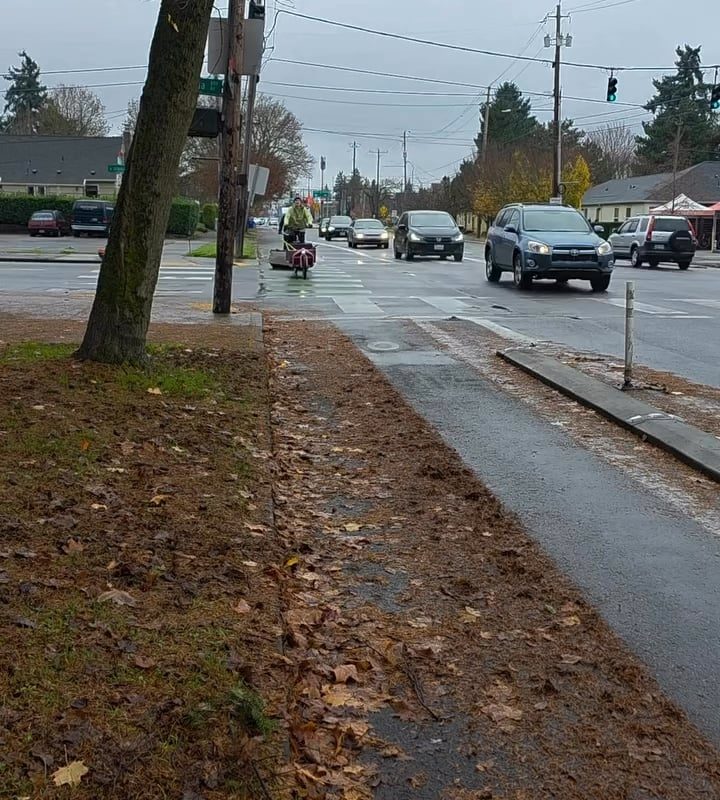
Bike lane cleaner
Revolutionizing Urban Mobility: The Essential Guide to Bike Lane Cleaners
Meta Description: Discover how bike lane cleaners enhance cycling safety, improve urban infrastructure, and promote sustainable mobility. Learn about types, benefits, and key features of these innovative machines.
Why Clean Bike Lanes Matter
Bike lanes are the arteries of sustainable urban transport, encouraging cycling as a green alternative to cars. Yet, debris like glass, leaves, litter, and gravel can turn these paths into hazards, increasing the risk of accidents and punctures. Regular maintenance isn’t just about aesthetics—it’s a matter of public safety and accessibility. Enter bike lane cleaners: specialized machines designed to keep cycling routes clear, safe, and inviting year-round.
What Is a Bike Lane Cleaner?
A bike lane cleaner is a compact, agile vehicle or device engineered to sweep, scrub, or vacuum debris from dedicated cycling paths. Unlike conventional street sweepers, these machines are tailored to the narrow dimensions of bike lanes, ensuring thorough cleaning without obstructing traffic.
Key Features of Modern Bike Lane Cleaners
- Compact Design: Narrow frames and adjustable brushes fit snugly into bike lanes.
- Eco-Friendly Operation: Many use electric motors or hybrid engines to reduce emissions.
- Multi-Surface Compatibility: Handles asphalt, concrete, and cobblestone seamlessly.
- Debris Management: Built-in vacuums, crushers, or storage bins collect everything from sand to broken glass.
- All-Weather Use: Capable of clearing snow, ice, or wet leaves with specialized attachments.
Types of Bike Lane Cleaners
Depending on the scale and needs of a city, different models offer unique advantages:
-
Manual Push Cleaners
- Best For: Small paths, parks, or community-led initiatives.
- Benefits: Affordable, low-maintenance, and emission-free.
-
Compact Sweeper Vehicles
- Best For: Municipalities and urban areas.
- Benefits: High-efficiency, broad coverage, and integrated waste disposal.
-
Attachment Systems (for Tractors/Utility Vehicles)
- Best For: Multi-use infrastructure (e.g., shared bike/pedestrian paths).
- Benefits: Cost-effective repurposing of existing municipal fleets.
-
Autonomous Cleaners
- Best For: High-tech cities prioritizing automation.
- Benefits: AI-guided, zero-labor costs, and 24/7 operation.
5 Benefits of Investing in Bike Lane Cleaners
-
Safer Cycling Conditions
- Reduces puncture risks from glass or thorns and prevents skids caused by wet leaves or gravel.
-
Longer Infrastructure Lifespan
- Removing corrosive debris like salt or chemicals extends pavement durability.
-
Cost Savings
- Preventive maintenance is cheaper than repairing damaged lanes or settling liability claims.
-
Boosted Cycling Adoption
- Clean lanes encourage more people to bike, easing traffic congestion and lowering carbon footprints.
-
Urban Aesthetics
- Well-kept paths enhance neighborhood appeal and civic pride.
Choosing the Right Bike Lane Cleaner: 4 Considerations
- Path Width & Layout: Measure lane dimensions and curves to ensure machinery can navigate them.
- Debris Types: Opt for heavy-duty models if glass or construction waste is common.
- Budget & ROI: Balance upfront costs against labor savings and infrastructure longevity.
- Sustainability Goals: Prioritize electric or solar-powered units for eco-conscious cities.
Global Success Stories
- Copenhagen, Denmark: Uses mini-sweepers with noise-reduction tech to clean lanes overnight, maintaining its title as the world’s most bike-friendly city.
- Portland, USA: Robotic cleaners patrol popular routes, cutting maintenance costs by 40%.
- Tokyo, Japan: Deploys waterless vacuum cleaners to tackle pollen and micro-debris during allergy season.
The Future of Bike Lane Maintenance
Innovation is accelerating:
- Smart Sensors: IoT-enabled cleaners detect debris hotspots and self-dispatch.
- Biodegradable Cleaning Agents: Soil-friendly solutions for greener scrubbing.
- Drone-Assisted Cleanup: Aerial units spot debris, directing ground teams to problem zones.
Conclusion: Paving the Way for Smarter Cities
Bike lane cleaners aren’t just tools—they’re catalysts for sustainable urban living. By investing in these technologies, cities safeguard cyclists, promote eco-transport, and future-proof their infrastructure. As biking evolves from trend to necessity, reliable cleaning systems will define the next era of smart, livable cities.
Call to Action
Advocate for cleaner bike lanes in your community! Share this article with local policymakers or explore funding grants for urban sustainability projects.
Keywords for SEO: Bike lane cleaner, cycling infrastructure maintenance, urban mobility solutions, bike path sweeper, sustainable city planning, cycling safety, debris removal equipment, eco-friendly street cleaning.
Optimize your city’s cycling future—today! 🚴♂️✨