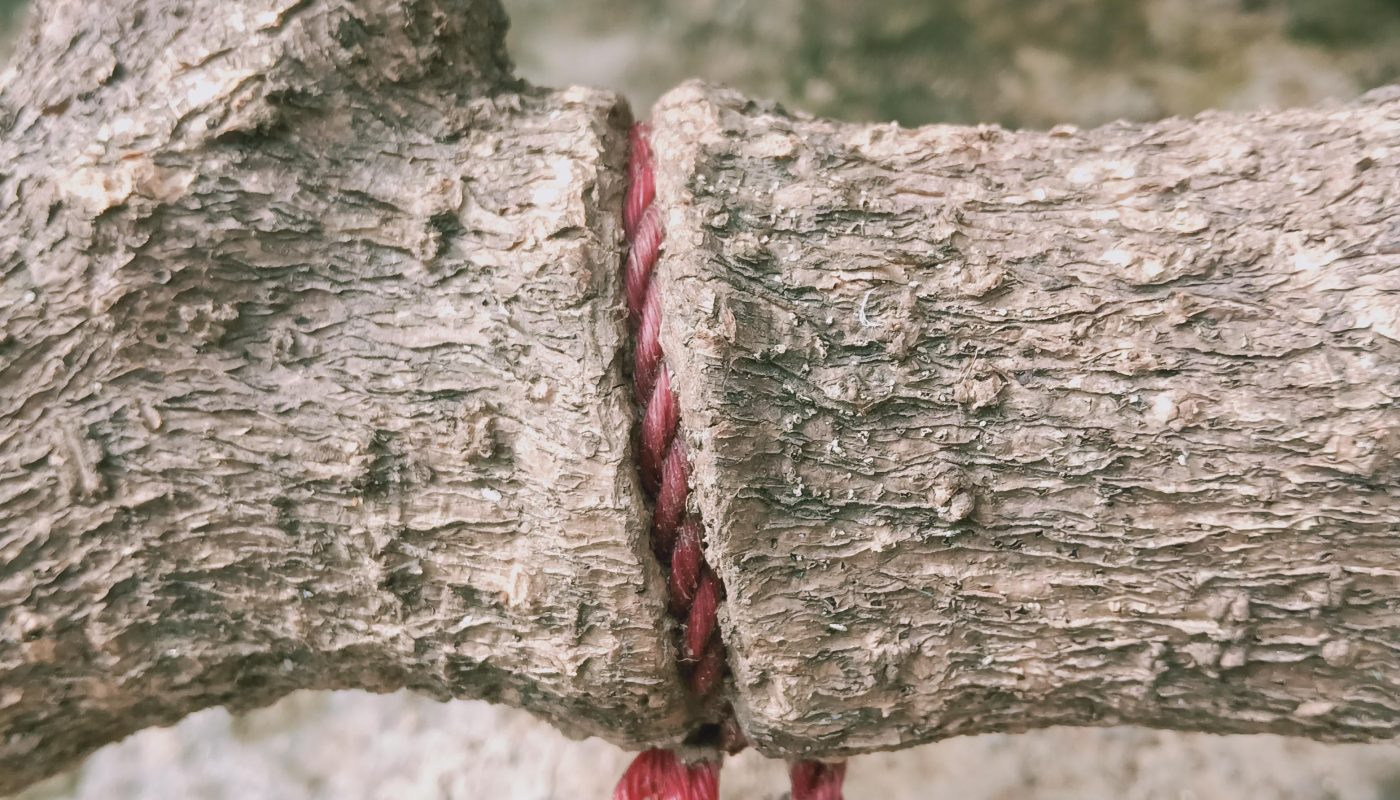
Branch grew around the rope
Title: Nature’s Tenacity Explained: When a Tree Branch Grows Around a Rope
Meta Description: Discover why and how tree branches grow around obstacles like ropes—a fascinating look at nature’s adaptability. Learn about tree biology, risks, and ecological lessons.
Introduction: Nature’s Silent Struggle
Imagine stumbling upon a tree in the woods with a thick branch that appears to have swallowed an old rope whole. This striking sight—often called “branch envelopment” or “natural grafting”—isn’t just a curiosity; it’s a profound display of how trees defy obstacles to survive and thrive. Here’s how and why branches grow around ropes, fences, and other objects, and what this reveals about the resilience of nature.
1. Tree Growth 101: How Branches Adapt to Obstacles
Trees grow in two primary ways:
- Primary Growth: Upward and outward expansion of shoots and roots.
- Secondary Growth: Thickening of stems and branches via the cambium layer, a ring of cells beneath the bark that produces wood (xylem) and inner bark (phloem).
When a branch encounters a rigid obstacle like a rope, wire, or even a nail, the cambium doesn’t stop—it works around the object. Over years, new wood envelops the foreign material, creating a visible “scar” or fusion.
2. Why Doesn’t the Tree Just Break the Rope?
Trees prioritize survival over domination. Instead of snapping the rope, they:
- Compartmentalize: Isolate the obstruction to limit damage (a process called CODIT, or Compartmentalization of Decay in Trees).
- Adapt Growth: Redirect resources to grow around the object, sometimes forming unique shapes like bulges or spirals.
- Fuse Tissues: In rare cases, branches may graft onto themselves (inosculation) if the rope decays, “healing” the wound.
3. Risks: Does a Rope Harm the Tree?
While trees can coexist with embedded objects for decades, complications include:
- Decay Pathways: Rotting ropes introduce moisture and fungi, weakening the branch.
- Structural Weakness: As the branch thickens, uneven growth may create stress points prone to splitting in storms.
- Nutrient Flow: Tight ropes can girdle the branch, choking off nutrient transport and causing dieback.
4. What Should You Do If You Spot This?
For homeowners or wilderness explorers:
- Don’t Remove Embedded Objects Yourself: Cutting the rope could destabilize the branch or spread decay.
- Consult an Arborist: Experts assess whether the object poses a risk or if the tree can safely compartmentalize it.
- Prevent Future Issues: Avoid tying ropes, hammocks, or wires tightly around trees. Use tree-friendly straps instead.
5. Broader Lessons: Nature’s Resilience in Action
The “branch and rope” phenomenon mirrors other awe-inspiring adaptations:
- Trees absorbing fences, signs, or even bicycles.
- Roots cracking concrete to reach water.
- Forests reclaiming abandoned urban areas (urban rewilding).
These cases remind us that nature operates on a timescale far beyond human perception—slowly, persistently, and ingeniously.
FAQs
Q: How long does it take for a branch to grow around a rope?
A: Typically 5–20 years, depending on the tree species, rope material, and growth rate. Fast-growing trees like willows adapt quicker than oaks.
Q: Can a tree “digest” a rope?
A: No—ropes don’t decompose inside the tree. They’re simply encased in wood until they decay externally, potentially leaving hollows.
Q: Is this harmful to the ecosystem?
A: Rarely. Trees often outlive the obstruction, and cavities created by decay can become wildlife habitats.
Conclusion: A Testament to Adaptation
The next time you see a branch that’s grown around a rope, pause and appreciate this quiet battle between biology and obstruction. Trees don’t fight—they adapt, persist, and silently teach us about endurance. Whether in a backyard or a forest, these living sculptures are monuments to nature’s relentless will to survive.
Featured Image Suggestion: Close-up of a tree branch with a rope visibly embedded in its wood, surrounded by lush foliage.
Target Keywords: tree branch growth around rope, nature adaptation, cambium layer, arborist advice, tree resilience.