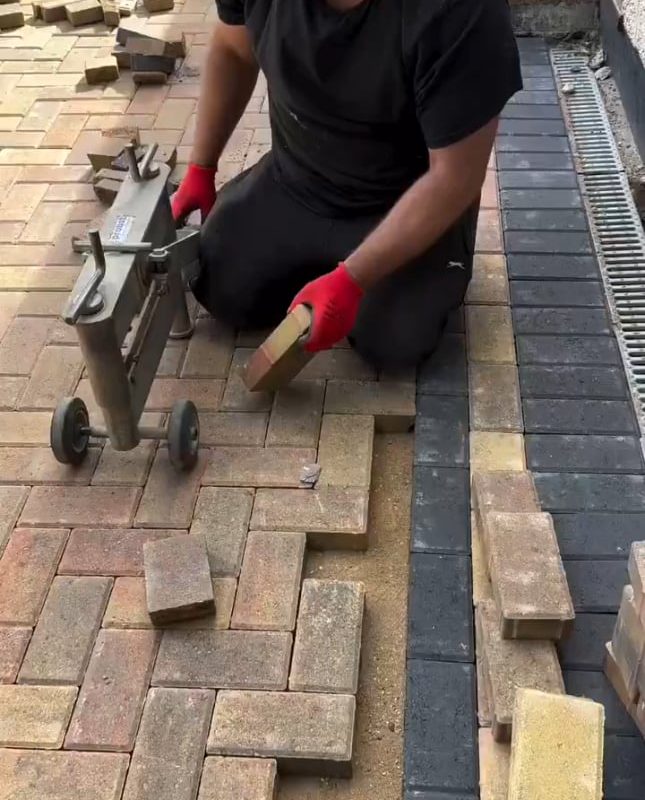
brick cutting and laying at its finest
Brick Cutting and Laying at Its Finest: Mastering the Craft of Precision and Durability
Brickwork has stood the test of time as one of the most reliable and aesthetically pleasing construction methods. Whether building a timeless fireplace, a sturdy retaining wall, or a charming garden path, achieving excellence in brick cutting and laying requires skill, patience, and attention to detail. In this guide, we’ll explore the art of professional-grade brickwork, highlighting the tools, techniques, and best practices that define craftsmanship at its finest.
The Foundation: Why Precision Brickwork Matters
Bricks are more than just building blocks—they’re the backbone of structures designed to last generations. Poorly cut or misaligned bricks compromise both structural integrity and visual appeal. Precision ensures:
- Long-term durability against weather and wear.
- Seamless aesthetics with clean lines and patterns.
- Efficient use of materials and reduced waste.
Brick Cutting: The First Step to Perfection
Before laying bricks, cutting them accurately is essential. Here’s how professionals achieve flawless cuts:
1. Choosing the Right Tools
- Brick Chisel and Hammer: Ideal for small projects or intricate cuts.
- Angle Grinder with a Masonry Blade: Delivers fast, straight cuts.
- Wet Tile Saw (Masonry Saw): Ensures precision for large volumes.
- Brick Splitter: A hydraulic tool for heavy-duty cutting.
Pro Tip: Use diamond-tipped blades for cleaner edges and minimal chipping.
2. The Cutting Process
- Measure Twice, Cut Once: Mark the brick with a pencil or chalk.
- Wet vs. Dry Cutting: Wet saws reduce dust and heat but require water access. Dry cutting is quicker but messier—wear a respirator!
- Safety First: Always use gloves, goggles, and ear protection.
Brick Laying: The Art of Alignment and Bonding
The magic happens when bricks meet mortar. Follow these steps for professional-level results:
1. Mortar Mastery
- Mix Consistency: Aim for a thick, peanut butter-like texture (1 part cement to 3 parts sand is standard).
- Work Quickly: Mortar begins to set in 30–90 minutes.
2. Laying Techniques
- The Starter Course: Use a string line to ensure the first row is perfectly level and straight.
- Buttering the Brick: Apply mortar evenly to the bed joint and ends (the “header” joint) of each brick.
- Tapping into Place: Gently tap bricks with a trowel handle to align them and set the mortar.
3. Joint Finishing
Choose a style that complements your project:
- Concave Joints (most durable, sheds water well).
- V-Joints (adds visual depth).
- Struck Joints (angled for a traditional look).
Pro Tips for Impeccable Brickwork
- Maintain the Bond: Stagger vertical joints (e.g., running bond, Flemish bond) to strengthen the structure.
- Weatherproofing: In cold climates, use frost-resistant bricks and mortar additives.
- Clean as You Go: Wipe off excess mortar with a damp brush before it hardens.
- Check for Level and Plumb: Use a spirit level and plumb line every 3–4 courses.
Advanced Patterns for Visual Impact
Elevate your project with signature layouts:
- Herringbone: Perfect for patios and walkways.
- Basketweave: Creates a checkerboard effect.
- Circle or Arch: Requires precise radial cuts for curved designs.
Why Hire a Professional?
While DIY is rewarding, complex projects demand expertise. Professionals bring:
- Mastery of complex cuts (e.g., angled soldier courses).
- Speed and efficiency with industrial-grade tools.
- Knowledge of local building codes and material specs.
FAQs About Brick Cutting and Laying
Q: Can I lay bricks in cold weather?
A: Yes, but use heated mortar and protect fresh work with insulation blankets.
Q: How long should mortar cure?
A: Allow 24–48 hours before light use, and 7 days for full strength.
Q: What’s the best brick for driveways?
A: Engineering bricks (Class B) offer high density and weather resistance.
Conclusion: Craftsmanship That Endures
Brick cutting and laying at its finest is about balancing function and artistry. From precise measurements to thoughtful joint finishes, every detail contributes to a structure that stands strong and beautiful for decades. Whether you’re a DIY enthusiast or hiring a pro, respect the craft—your brickwork will tell its story for generations.
Ready to start your project? Connect with local masonry experts or sharpen your skills with hands-on workshops. The timeless appeal of bricks awaits!
Keywords for SEO: Brick cutting and laying, precision bricklaying, professional bricklaying tips, brickwork techniques, mortar mixing, brick patterns, masonry tools, DIY brick projects, durable brick structures.