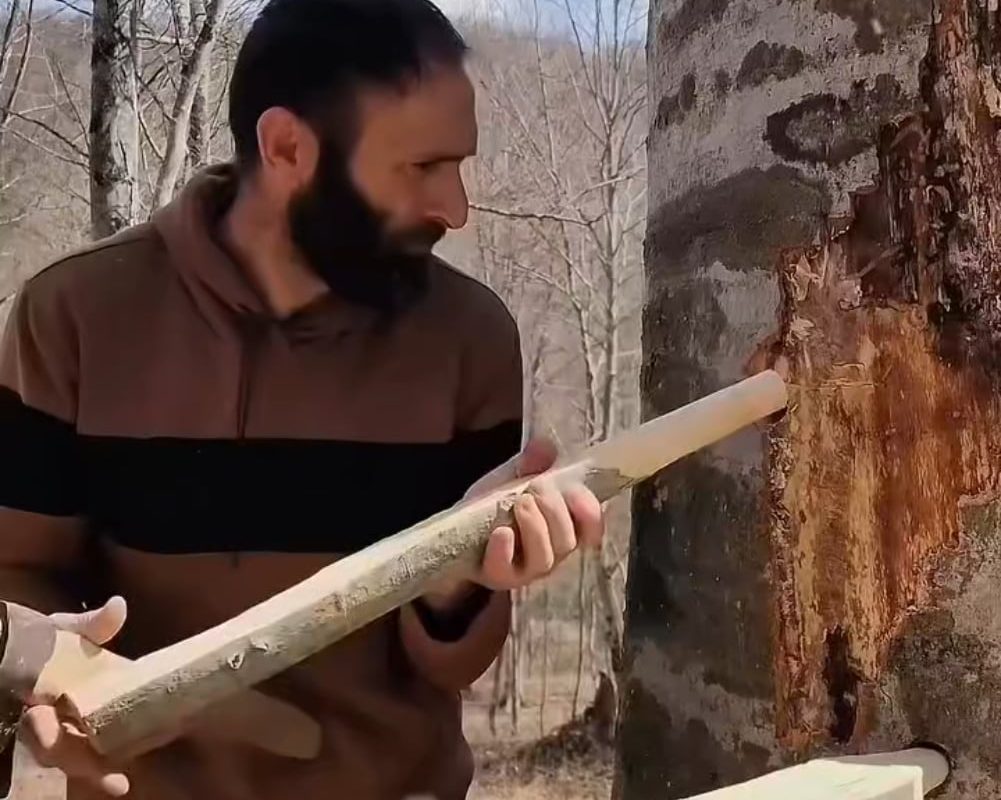
Building a risky tree hut to survive the forest 😳
Title: Building a Risky Tree Hut: Survival Shelter or Death Trap? (What You Need to Know)
In the heart of a wild forest, with nightfall creeping in and predators stirring, the idea of building a tree hut shelter might sound like a thrilling survival hack. But is it genius or pure recklessness? In this guide, we’ll break down the dangers, materials, and step-by-step process for constructing a risky tree hut for extreme emergencies only. Spoiler: This isn’t Swiss Family Robinson.
Why Build a Tree Hut for Survival?
Tree huts offer unique advantages in dire scenarios:
- Elevation: Avoid ground-dwelling threats like wolves, snakes, or rising floodwater.
- Visibility: Spot rescue teams or landmarks from a higher vantage point.
- Mental Edge: A “safe” space can boost morale in a survival situation.
BUT—this isn’t a weekend project. One wrong step could lead to falls, collapses, or attracting unwanted wildlife.
The Risks: Why Tree Huts Go Wrong
Before grabbing that axe, understand the dangers:
- Structural Failure: Weak branches or poor knots = deadly falls.
- Weight Limits: Overloading the platform risks collapse.
- Wildlife Encounters: Bears climb. So do big cats. Your hut might become THEIR hut.
- Weather: Wind, rain, or snow can turn your shelter into a deathtrap overnight.
Only attempt this if you have NO safer alternative (e.g., caves, natural shelters).
Minimalist Materials for a “Good Enough” Tree Hut
Use what’s around you:
- Strong, Live Trees: Pick healthy hardwoods (oak, maple). Avoid dead or brittle trees.
- Vines/Paracord: For lashings. Test strength by hanging your weight first!
- Branches: Thick, straight poles for the platform frame.
- Leafy Boughs: Waterproof roofing and walls.
- Sharp Tool: A knife, hatchet, or even a sharp rock to shape wood.
NO NAILS OR SCREWS? Use friction knots like the Prusik hitch or square lashing to secure joints.
Step-by-Step: Building a Survival Tree Hut (Fast & Dirty)
Step 1: Scout the Perfect Tree
- Look for 2-3 closely spaced trees with thick, parallel branches 10–15 feet high.
- Avoid insect nests, cracks, or loose bark.
Step 2: Build the Platform
- Lay 4-6 sturdy branches horizontally across sturdy tree limbs.
- Lash them tightly with vines/rope in a grid pattern.
- Test stability by gently adding weight BEFORE fully committing.
Step 3: Create Walls & Roof
- Weave flexible branches vertically between platform beams.
- Layer leafy boughs/thick moss like shingles for rain runoff.
Step 4: Camouflage & Secure
- Blend your hut with surrounding foliage to hide from animals or threats.
- Never build a fire inside—sparks + dry wood = disaster.
Safety First: Survival Don’ts
- Don’t build too high: Falls from 10+ feet can be fatal without gear.
- Don’t ignore wind direction: Smoke from ground fires should blow away from your hut.
- Don’t over-engineer: Time = energy. Build just enough to stay safe.
Better Alternatives to a Risky Tree Hut
If you have time/resources, prioritize:
- Ground shelters (lean-tos, debris huts).
- Natural caves (inspect for animal occupancy first).
- Emergency tents/tarps (always pack one!).
FAQ: Your Tree Hut Survival Questions Answered
Q: Can I build a tree hut alone?
A: Only if you’re experienced. Teams reduce risks.
Q: How long will a survival tree hut last?
A: Days, not weeks. Weather and decay escalate risks fast.
Q: Is this legal?
A: In wilderness survival, legality takes a backseat to staying alive. But avoid protected forests!
Q: What if I have no tools?
A: Use rocks to sharpen sticks, and tear vines by twisting them against a tree.
Q: Are tree huts safe for kids?
A: Never attempt this with children unless it’s life-or-death.
Conclusion: Survival Isn’t Pretty
Building a tree hut is a last-resort gamble—not a sustainable solution. While it might save you from immediate threats, the risks often outweigh the rewards. Prioritize signaling for help, finding water, and staying warm on the ground first.
If you must go up, build smart, stay cautious, and pray those branches hold.
Need safer survival strategies? Check our guides on [Emergency Ground Shelters] or [How to Signal for Rescue in the Wild]. Stay safe out there—nature doesn’t forgive mistakes! 🌲🔥🔪
(Disclaimer: This article is for informational purposes only. Survival scenarios are unpredictable. Consult experts and practice skills BEFORE an emergency.)
SEO Keywords: risky tree hut, forest survival shelter, emergency treehouse, how to build a survival tree hut, wilderness shelter dangers, DIY survival hut, tree hut risks, last-resort survival tactics.