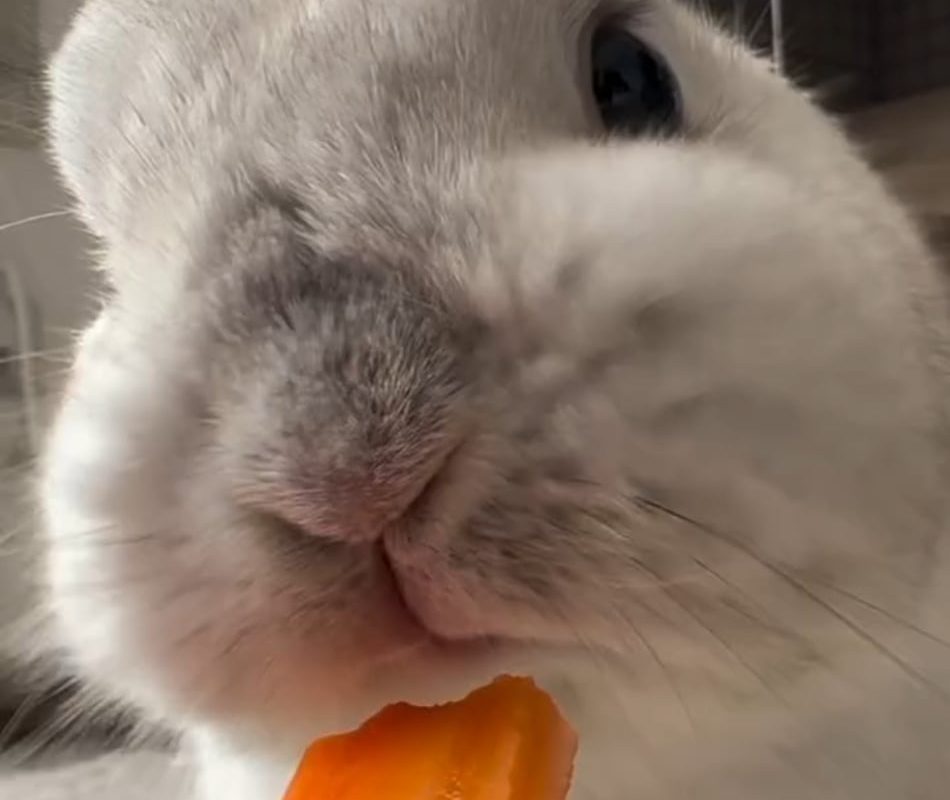
Bunny eating carrot
Title: The Truth About Bunnies and Carrots: A Nutritional Guide for Pet Owners
Meta Description: Discover why carrots are both a beloved treat and a potential risk for rabbits. Learn how to safely incorporate carrots into your bunny’s diet and avoid common myths.
Are Carrots Really Good for Bunnies? Debunking the Myth
When you imagine a bunny eating a carrot, you probably picture an adorable scene straight out of a cartoon. But is this iconic snack actually healthy for rabbits? While carrots can be part of a rabbit’s diet, they aren’t the dietary staple many people assume. Let’s explore the facts behind bunnies and carrots—and how to feed them safely.
Why Do Bunnies Love Carrots?
Rabbits are naturally drawn to sweet flavors, and carrots contain sugars that appeal to their taste buds. However, in the wild, rabbits rarely eat root vegetables like carrots. Their diet primarily consists of grasses, hay, leafy greens, and herbs—foods rich in fiber and low in sugar.
Carrots became synonymous with rabbits largely due to pop culture (think Bugs Bunny!), but overfeeding them can lead to health issues like obesity and digestive problems.
The Nutritional Pros and Cons of Carrots for Rabbits
✅ Benefits of Carrots
- Vitamin A: Supports vision and immune health.
- Fiber: Aids digestion (though hay provides far more).
- Hydration: Carrots are 88% water, helping with hydration.
❌ Risks of Overfeeding Carrots
- High Sugar Content: Too much sugar disrupts gut bacteria and causes weight gain.
- Low Fiber Compared to Hay: Carrots lack the fiber rabbits need for healthy digestion.
- Potential for Dental Issues: While crunchy carrots can help wear teeth, excess sugar may contribute to dental decay.
How to Safely Feed Carrots to Your Rabbit
1. Treats, Not Staples
Carrots should be an occasional snack—not a daily meal. The House Rabbit Society recommends:
- Adult rabbits: 1–2 tablespoons of carrot per 2 lbs of body weight, 2–3 times a week.
- Baby rabbits: Avoid carrots until they’re over 12 weeks old.
2. Prioritize Hay
80–90% of a rabbit’s diet should be unlimited timothy hay or grass hay. Fiber keeps their digestive system functioning and prevents deadly conditions like GI stasis.
3. Add Leafy Greens
Instead of carrots, focus on:
- Romaine lettuce
- Basil
- Cilantro
- Bok choy
- Carrot tops (yes, they’re safe!).
Fun Fact: Carrot greens are healthier than the root! They’re low in sugar and high in nutrients.
What Happens if a Rabbit Eats Too Many Carrots?
Overindulgence can lead to:
- Digestive upset: Bloating, diarrhea, or constipation.
- Obesity: Excess sugar converts to fat.
- Nutritional imbalance: Carrots can’t replace hay’s fiber or greens’ vitamins.
If your rabbit accidentally eats a large quantity of carrots, monitor for lethargy or appetite changes and consult a vet.
FAQs About Bunnies and Carrots
Q: Can rabbits eat carrot peels?
A: Yes, if they’re organic and washed thoroughly to remove pesticides.
Q: Are cooked carrots safe?
A: No—rabbits should only eat raw vegetables. Cooking alters texture and nutrient content.
Q: Do wild rabbits eat carrots from gardens?
A: Occasionally, but they prioritize leafy plants. Protect garden carrots with fencing if needed!
Conclusion: Balance Is Key!
While the image of a bunny eating a carrot is undeniably cute, responsible pet owners know that moderation is crucial. Pair rare carrot treats with a hay-first diet, fresh water, and plenty of leafy greens. Your fluffy friend will thrive with this balanced approach—and live a longer, healthier life!
Key Takeaways
- Carrots = occasional treats, not daily food.
- Hay is the foundation of a rabbit’s diet.
- Always prioritize low-sugar, high-fiber greens.
By understanding the nuances of your bunny’s nutrition, you can enjoy sharing carrot snacks without guilt—and keep your pet hopping with joy! 🥕🐇