Source: gregorypatriat
Meta Title: How to Burn Off Alcohol Residue from a Red Wine Cask | Step-by-Step Guide
Meta Description: Learn how to safely burn off alcohol residue from a red wine cask for reuse. Discover expert tips, safety precautions, and the benefits of proper cask preparation.
How to Burn Off Alcohol Residue from a Red Wine Cask: A Step-by-Step Guide
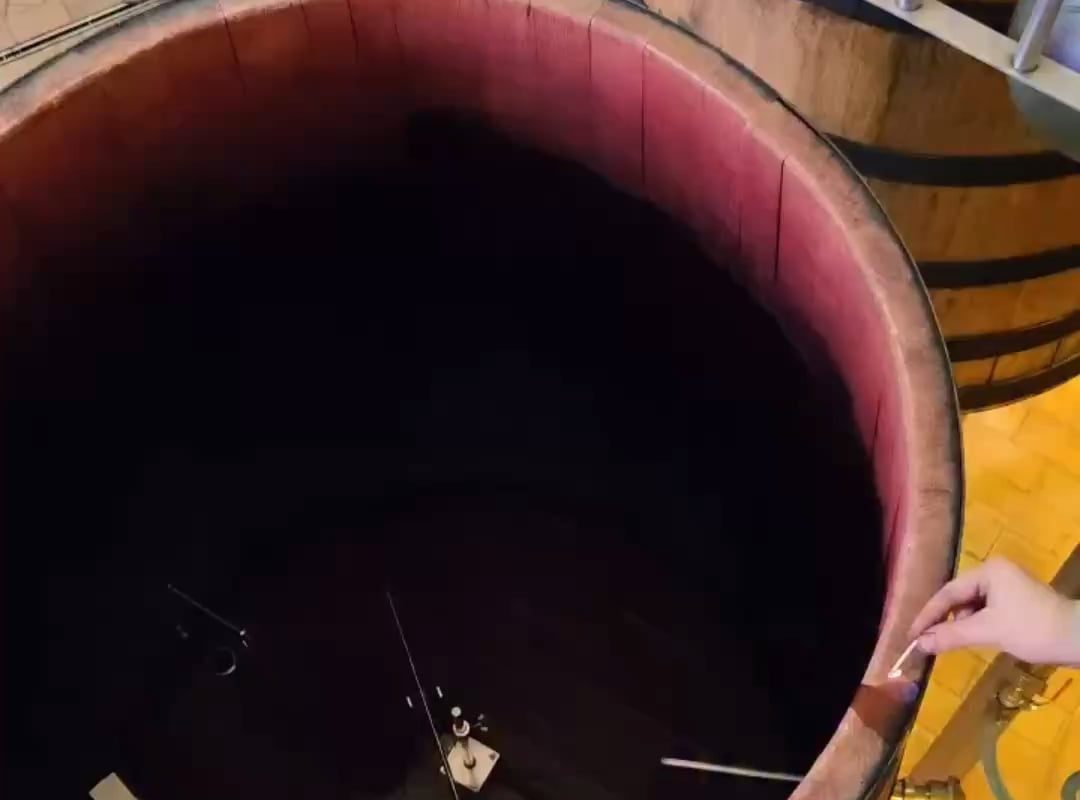
Aging red wine in oak casks imparts rich flavors and complexity, but once the wine is emptied, the cask may retain alcohol residue and tannins. Reusing the cask for aging spirits (like whiskey or rum) or even new wine batches requires thorough cleaning to prevent cross-contamination of flavors. One effective method is burning off alcohol residue, a process that also revitalizes the wood. In this guide, we’ll walk you through how to safely and effectively prepare your cask for its next use.
Why Burn Off Alcohol Residue?
Over time, red wine casks absorb alcohol, tannins, and other organic compounds. If not properly cleaned, these residues can:
- Alter the flavor profile of future batches.
- Promote bacterial growth, spoiling new contents.
- Reduce the cask’s lifespan due to degradation.
Burning (or controlled charring) eliminates lingering residue, sterilizes the wood, and opens pores to enhance interaction between the wood and new liquid. For whiskey aging, charring even creates a charcoal layer that filters impurities and adds smoky notes.
Tools & Safety Precautions
Before starting, gather these supplies:
- Protective Gear: Heat-resistant gloves, goggles, and fireproof clothing.
- Fireproof Workspace: Outdoors or in a well-ventilated area away from flammable materials.
- Equipment: Propane torch, kiln (optional), bucket of water, fire extinguisher.
- Cleaning Tools: Stiff brush, hot water, and mild detergent.
⚠️ Critical Safety Tips
- Never burn indoors – alcohol fumes are highly flammable.
- Keep a fire extinguisher or water source nearby.
- Inspect the cask for structural damage (cracks/leaks) first.
Step-by-Step: Burning Alcohol Residue from a Wine Cask
Step 1: Empty and Clean the Cask
- Drain all remaining liquid from the cask.
- Rinse the interior with hot water to remove loose sediment.
- Scrub gently with a brush and mild, odorless detergent (avoid harsh chemicals). Rinse thoroughly.
Step 2: Dry the Cask
- Let the cask air-dry completely (1–2 weeks). Moisture can cause uneven burning or steam explosions.
Step 3: Inspect for Damage
- Check for cracks, loose staves, or metal hoop damage. Repair if needed.
Step 4: Burn/Char the Interior
- Propane Torch Method:
- Light the torch and slowly move the flame across the cask’s interior.
- Focus on hotspots where residue accumulates (near seams, ends).
- Char lightly for 15–30 seconds per section – avoid deep burning to preserve wood integrity.
- Kiln Method (Professional):
- Place the cask in a kiln at 400–500°F (204–260°C) for 5–10 minutes.
Step 5: Cool and Condition
- Let the cask cool naturally for 24 hours.
- Rinse lightly with water to extinguish any embers.
- For spirits aging, soak the cask in cool water for 1–2 days to rehydrate and remove excess char.
Post-Burn Cask Care
- Storage: Keep the cask in a cool, humid environment. Avoid direct sunlight.
- Reuse: For wine, fill immediately after conditioning. For spirits, charring level determines flavor intensity (e.g., light char for rum, heavy char for bourbon).
Benefits of Burning vs. Alternatives
While steaming or chemical cleaning works for light maintenance, burning offers unique advantages:
- Deep Sterilization: Kills mold, bacteria, and wild yeast.
- Flavor Enhancement: Charred wood adds vanilla, caramel, and smoky notes.
- Sustainability: Extends the cask’s usability for decades.
FAQs About Burning Wine Casks
Q: Can I reuse a wine cask without burning?
A: Yes, but only for similar wines. Burning is essential for switching to spirits or a different wine variety.
Q: How often should I burn a cask?
A: Only when switching contents or if contamination occurs. Over-charring weakens the wood.
Q: Can I repair a cracked cask after burning?
A: Minor cracks can be fixed with oak shims and wax. Severe damage often requires professional repair.
Final Thoughts
Burning off alcohol residue from a red wine cask is a time-tested method to ensure purity, longevity, and flavor consistency in your next batch. Whether you’re a distiller, winemaker, or hobbyist, following these steps will help you maximize your cask’s potential while prioritizing safety.
Need professional help? Consult a cooper or barrel supplier for specialized tools and guidance!
Keywords for SEO: clean wine cask, burn alcohol residue, barrel charring, wine cask preparation, red wine barrel maintenance, how to sterilize oak barrels, cask rejuvenation, barrel care for distilling.
By optimizing this process, you’ll not only protect your investment but also elevate the quality of your aged beverages. Share your experiences or questions in the comments below! 🍷🔥