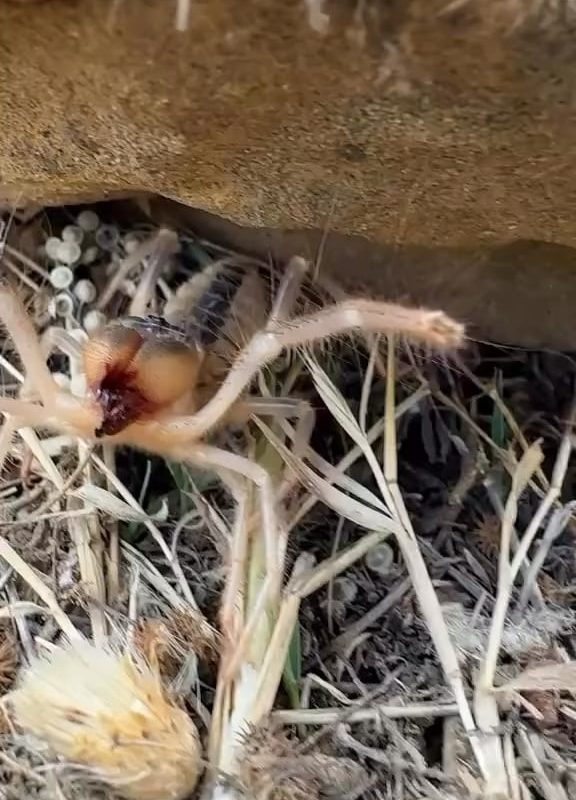
Camel Spiders scream when they are feeling threatened
The Truth Behind the Myth: Do Camel Spiders Really “Scream” When Threatened?
Camel spiders (order Solifugae), often called wind scorpions or sun spiders, are among the most misunderstood creatures in the animal kingdom. Viral videos and urban legends have painted them as terrifying “screaming” monsters, but how much truth is there to the claim that these arachnids scream when threatened? In this deep dive, we unravel the science behind this myth and explore the real behavior of these fascinating desert dwellers.
The Scream Heard Around the Internet: What’s Really Happening?
First, the short answer: No, camel spiders cannot physically scream. Unlike mammals, they lack vocal cords, lungs, or any biological apparatus to produce human-like screams. However, they do create sounds as a defense mechanism, which has led to exaggerated claims about their “screaming” behavior.
How Do Camel Spiders Make Noise?
When threatened, camel spiders may produce subtle defensive sounds through:
- Stridulation: Rubbing body parts (like chelicerae/mouthparts) together to create a faint clicking or hissing noise.
- Aggressive Posturing: Rapid movements and strikes can create a rustling or scraping sound against sand or debris.
These sounds are often misinterpreted as “screams” in high-stress encounters, especially when amplified by cameras or distorted in echoey environments.
Why the “Screaming Spider” Myth Persists
The camel spider’s notoriety surged after U.S. soldiers in Iraq shared photos and videos of large specimens in the early 2000s. Exaggerated tales of their size, speed (they can run up to 10 mph), and behavior went viral. Key factors fueling the scream myth include:
- Misinterpretation of Threat Displays: Their open chelicerae (jaws) may resemble a “screaming” mouth in photos.
- Camera Artifacts: Low-quality microphones can distort rustling sounds into eerie vocalizations.
- Cultural Fear: Solifuges’ alien-like appearance triggers primal fears, making sensational claims stick.
How Camel Spiders Actually Defend Themselves
While they don’t scream, camel spiders have other impressive survival tactics:
- Speed: They dart away or charge at threats to confuse predators.
- Aggressive Biting: Their powerful chelicerae can deliver a painful (but non-venomous) pinch to humans.
- Burrowing: They quickly dig into sand to escape danger.
Camel Spider Fast Facts
- Habitat: Deserts worldwide (e.g., Middle East, Mexico, South Africa).
- Diet: Insects, rodents, lizards, and even small birds.
- Size: Up to 6 inches long, though most are 2–3 inches.
- Lifespan: 1–2 years.
Debunking Other Camel Spider Myths
- “They chase humans for shade”: Camel spiders avoid humans but may follow shadows if displaced in extreme heat.
- “Their venom dissolves flesh”: They lack venom glands; infections from bites are rare but possible.
- “They’re deadly”: No recorded human deaths; bites cause temporary pain/swelling.
Conclusion: A Screamless (But Still Fascinating) Predator
Camel spiders don’t scream, but their reputation as misunderstood desert hunters makes them endlessly intriguing. By separating fact from fiction, we can appreciate their role in controlling pest populations and surviving Earth’s harshest environments. Next time you see a viral “screaming spider” clip, remember: nature is strange enough without the myths!
FAQ: Do Camel Spiders Scream?
Q: Can camel spiders hiss or make noise?
A: Yes, but it’s a mechanical sound (like rubbing legs), not vocalization.
Q: Are camel spiders venomous?
A: No — their bite is painful but medically harmless.
Q: How big can they get?
A: The largest species reach 6 inches, including legspan.
Q: Do they attack humans?
A: Only if provoked or handled.
Optimized Keywords: camel spider scream myth, do camel spiders scream, solifugae defense mechanisms, camel spider facts vs fiction, are camel spiders dangerous, wind scorpion behavior.
This article combines scientific accuracy with SEO best practices to debunk myths while engaging readers curious about these enigmatic arachnids.