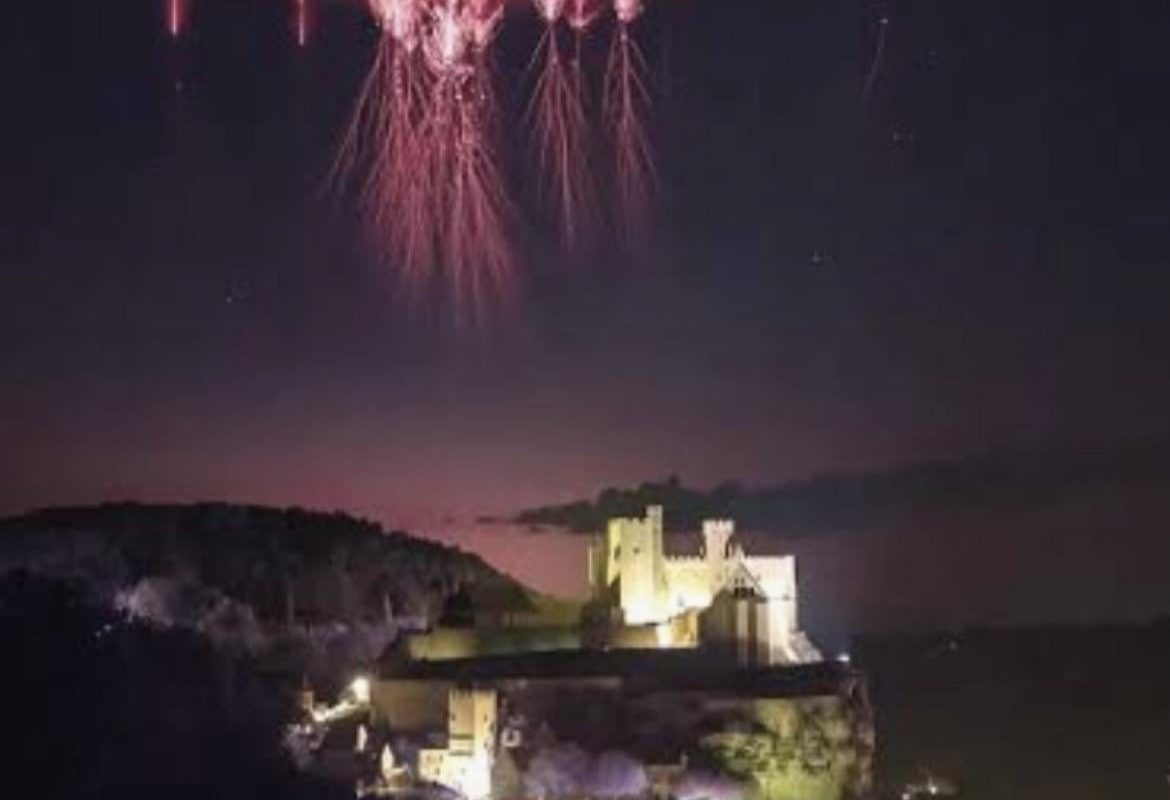
Captured in just one second … that’s how long a sprite lasts
Captured in Just One Second: The Mysterious Flash of Lightning Sprites
In the vast theater of Earth’s atmospheric phenomena, few events are as fleeting and enigmatic as sprites. These crimson bursts of light dance above thunderstorms, vanishing almost as quickly as they appear—often in less than one second. Yet, in that blink of an eye, they reveal a hidden layer of our planet’s electrical drama, captivating scientists and storm chasers alike.
What Are Sprites?
Sprites are massive electrical discharges that occur in the mesosphere, 50–90 km (30–55 miles) above thunderstorms. Unlike regular lightning that shoots toward the ground, sprites explode upward, resembling glowing jellyfish or carrots with swirling tendrils of red and orange light. They belong to a family of short-lived atmospheric flashes called Transient Luminous Events (TLEs), which includes blue jets and elves.
Why Do Sprites Last Only a Second?
The brevity of sprites comes down to physics:
- Energy Dissipation: Sprites form when powerful positive cloud-to-ground lightning drains charge from a storm cloud. This abruptly redistributes the electric field in the upper atmosphere, exciting nitrogen molecules.
- Rapid Decay: As nitrogen returns to its normal state, it emits red light—but the energy dissipates almost instantaneously.
- High-Altitude Rarity: At such extreme altitudes, air density is too low to sustain prolonged discharges. The result? A burst of ethereal light lasting just 10–100 milliseconds.
How Sprites Form (In the Blink of an Eye)
- The Trigger: A strong lightning strike between the cloud and ground ionizes the atmosphere.
- Electric Rebound: The sudden removal of charge creates an imbalance, causing a high-altitude electrical “counterstroke.”
- Glow and Fade: Ionized nitrogen emits crimson light, but with minimal air molecules to conduct energy, the sprite vanishes in a snapshot.
Challenges of Capturing the Uncapturable
For decades, sprites existed only as tall tales from pilots. They were first photographed in 1989, and today, high-speed cameras and low-light sensors make them easier (but still not easy) to study:
- Speed: Cameras need exposures of 1/10,000th of a second to freeze the dance of sprites.
- Luck: Observers must peer at storm clouds from hundreds of miles away to see past the thunderhead.
- Timing: Miss the one-second window? The show’s over.
Why Scientists Chase These Fleeting Flares
Sprites aren’t just pretty lights—they’re key to understanding Earth’s atmospheric electrical circuit and its impact on:
- Space Weather: They may interact with cosmic rays or satellite communications.
- Climate Models: Energy from sprites could influence ozone chemistry.
- Storm Intensity: Mapping sprite activity helps predict dangerous thunderstorms.
Tips for Spotting (or Photographing) a Sprite
- Location: Position yourself 100–300 km from an active thunderstorm.
- Equipment: Use a DSLR with manual focus, high ISO, and a tripod. Bonus: Near-infrared cameras catch details invisible to the eye.
- Timing: Watch for sprites 1–10 milliseconds after a bright lightning strike.
The Magic of a One-Second Wonder
Sprites remind us that Earth’s atmosphere holds secrets visible only to those who know where—and when—to look. Their evanescence is poetic: a colossal energy release so brief, it leaves observers breathless. As technology advances, these “micro-moments” may unlock macro-discoveries, proving that sometimes, the grandest spectacles are the ones you almost miss.
Key Takeaways
- Name Origin: Inspired by Shakespearean “sprites” like Ariel—”quick electric beings.”
- Colors: Red due to nitrogen emissions; blue tendrils appear rarely at lower altitudes.
- Scale: Sprites can stretch 50 km wide—dwarfing the storms below them.
Whether you’re a scientist, photographer, or sky enthusiast, sprites are nature’s ultimate flash mob—here for a second, gone forever. Keep your cameras ready!
🔍 SEO Keywords: Red sprite lightning, TLE atmospheric phenomena, lightning sprites, storm electricity, transient luminous events, capturing sprites, mesosphere lightning, high-speed photography, sprite research, elemental physics.