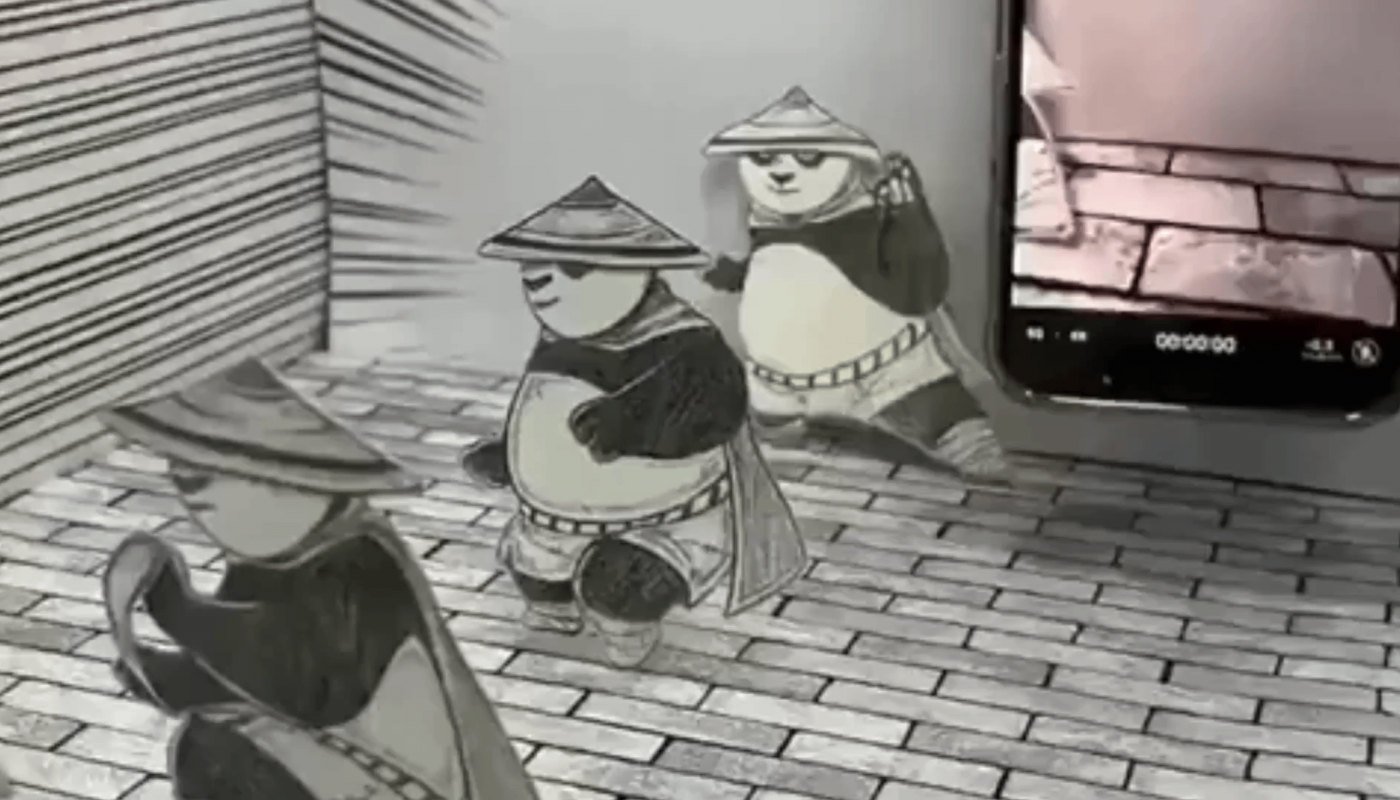
Cardboard art.
The Fascinating World of Cardboard Art: Creativity, Sustainability, and Accessibility
Cardboard is no longer just a material for packaging or moving boxes—it has evolved into a dynamic medium for artistic expression. From intricate sculptures and life-sized installations to wearable fashion and functional furniture, cardboard art is redefining creativity while championing sustainability. This guide dives into the world of cardboard artistry, exploring its history, techniques, benefits, and how you can start your own eco-friendly masterpiece.
What Is Cardboard Art?
Cardboard art involves transforming corrugated cardboard—a lightweight, recyclable material—into visually stunning or thought-provoking works. Artists use cutting, layering, folding, and sculpting techniques to manipulate cardboard into 2D or 3D creations. The medium’s versatility allows it to mimic textures like wood, metal, or stone, often challenging perceptions of what “disposable” materials can achieve.
Notable Cardboard Artists:
- Chris Gilmour: Known for hyper-realistic cardboard replicas of everyday objects (e.g., cars, typewriters).
- Warren King: Creates striking, large-scale cardboard portraits inspired by cultural heritage.
- Elisabeth Lecourt: Fashion designer who crafts intricate wearable art from cardboard.
- James Lake: A self-taught artist who sculpts expressive human figures despite physical disabilities.
Why Cardboard Art Is Gaining Popularity
-
Eco-Friendly Appeal
With sustainability at the forefront of global conversations, cardboard art resonates with environmentally conscious audiences. Artists repurpose discarded boxes, diverting waste from landfills and promoting a circular economy. -
Low-Cost Accessibility
Cardboard is inexpensive—or even free—making it ideal for artists, educators, and hobbyists on a budget. Schools and community centers often use it for collaborative projects. -
Endless Versatility
Its texture, flexibility, and strength allow for limitless experimentation. Whether painting, carving, or assembling, cardboard adapts to styles ranging from abstract to hyper-realistic. -
Educational Value
Working with cardboard teaches problem-solving, geometry, and engineering principles. It’s a staple in STEAM (Science, Technology, Engineering, Art, Math) programs worldwide.
How to Start Creating Cardboard Art
Tools & Materials You’ll Need
- Cardboard: Collect corrugated boxes of varying thicknesses.
- Cutting Tools: Utility knives, scissors, or laser cutters for precision.
- Adhesives: Hot glue, wood glue, or Mod Podge for layering.
- Reinforcements: Wooden skewers, dowels, or wire for structural support.
- Finishing Supplies: Acrylic paint, gesso, sealants, or fabric scraps.
Beginner-Friendly Techniques
- Layering: Stack and glue cardboard pieces to build dimension.
- Score and Fold: Create clean bends by lightly cutting one side of the cardboard.
- Texture Carving: Peel away the top layer of cardboard to expose the corrugated interior for unique patterns.
- Construction: Assemble modular shapes (like cubes or pyramids) into sculptures or furniture.
Step-by-Step Project Idea: Geometric Wall Art
- Sketch a design (e.g., hexagons, triangles).
- Cut identical shapes from cardboard using a template.
- Layer pieces with glue to add depth.
- Paint with metallic or matte finishes.
- Mount with adhesive strips or frames.
Inspiring Cardboard Art Projects
- Architectural Models: Replicate famous buildings or design futuristic cities.
- Wearable Art: Masks, hats, or even haute couture gowns.
- Functional Designs: Shelves, lamps, or children’s playhouses.
- Social Commentary: Installations addressing consumerism, housing crises, or waste.
Pro Tip: Join online communities like r/cardboardart on Reddit or Instagram hashtags (#cardboardart, #upcycledart) to share ideas and gain inspiration.
Challenges and Solutions
- Durability: Seal with varnish or resin for weather-resistant outdoor pieces.
- Precision: Use rulers, stencils, or digital design tools for complex cuts.
- Moisture: Avoid damp environments unless sealed properly.
The Future of Cardboard Art
As eco-consciousness grows, cardboard art is shifting from niche to mainstream. Galleries increasingly feature recycled-material exhibits, while brands commission cardboard installations for sustainable marketing campaigns. Innovations like fire-retardant or waterproof coatings could further expand its applications.
Conclusion: Unleash Your Creativity Responsibly
Cardboard art proves that masterpieces don’t require expensive materials—just imagination and a commitment to sustainability. Whether crafting with kids, building statement décor, or creating gallery-worthy sculptures, cardboard offers a canvas that’s kind to both your wallet and the planet.
Ready to create? Grab a box, sharpen your knife, and transform the ordinary into extraordinary. Don’t forget to share your creations and inspire others to reimagine waste!
Keywords for SEO: Cardboard art, cardboard sculpture, DIY cardboard projects, sustainable art, recycled art ideas, eco-friendly crafts, cardboard artists, upcycled cardboard decor.
By focusing on these elements, this article aims to rank well for search queries related to innovative, affordable, and green artistic practices—driving traffic from eco-conscious creators, educators, and art enthusiasts.