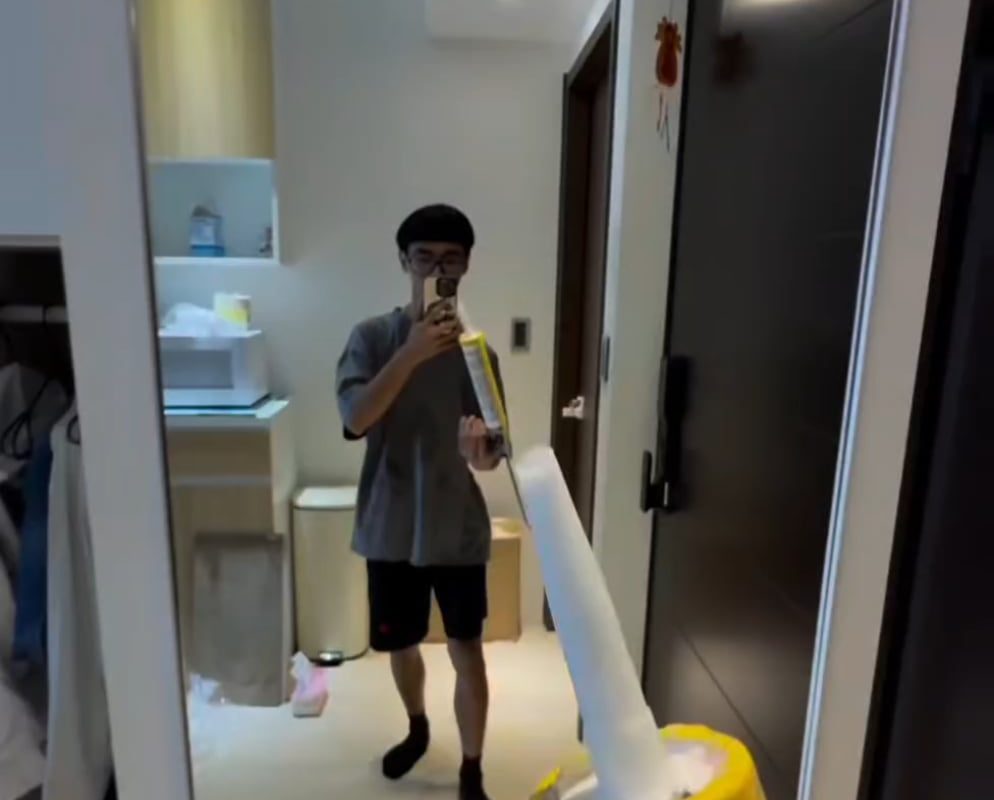
Caulking around a mirror
How to Caulk Around a Mirror: A Step-by-Step Guide to Prevent Moisture Damage
Caulking around a mirror is a simple yet crucial DIY task, especially for bathroom mirrors exposed to steam, moisture, and temperature fluctuations. Over time, gaps between the mirror and wall can allow water to seep in, leading to mold growth, wall damage, and even mirror detachment. This guide will walk you through the process of caulking around a mirror like a pro—saving you money and extending the life of your mirror.
Why Caulk Around a Mirror?
- Prevent water damage: Moisture from showers or sinks can infiltrate gaps, ruining drywall or backing materials.
- Stop mold and mildew: Sealing edges prevents damp environments where mold thrives.
- Improve aesthetics: Fresh caulk creates a clean, finished look.
- Boost energy efficiency: In some cases, caulking minimizes drafts (e.g., for mirrors on exterior walls).
Materials You’ll Need
Before starting, gather these supplies:
- 100% silicone caulk (ideal for bathrooms due to waterproofing) or acrylic latex caulk with silicone
- Caulking gun
- Utility knife or caulk removal tool
- Rubbing alcohol or vinegar
- Microfiber cloth or sponge
- Painter’s tape (optional, for crisp edges)
- Disposable gloves
- Damp rag or caulk-smoothing tool
Step-by-Step Guide to Caulking Around a Mirror
1. Remove Old Caulk (If Applicable)
Start by scraping away any cracked or peeling caulk:
- Use a utility knife or caulk removal tool to gently pry up the old material.
- Avoid scratching the mirror—work slowly and at a shallow angle.
2. Clean the Surface
Wipe the edges of the mirror and adjoining wall with rubbing alcohol or a vinegar-water mix. This removes dust, grease, and residue, ensuring the new caulk adheres properly. Let the area dry completely.
3. Apply Painter’s Tape (Optional)
For ultra-neat lines, apply painter’s tape:
- Place one strip along the mirror’s edge and another on the wall, leaving a 1/8-inch gap between them.
- Remove tape immediately after smoothing the caulk (Step 5).
4. Load and Cut the Caulk Tube
- Load the tube into the caulking gun.
- Cut the nozzle tip at a 45-degree angle. Start with a small hole—you can cut more later if needed.
5. Apply the Caulk
- Hold the gun at a 45-degree angle to the mirror.
- Squeeze the trigger gently, applying a thin, consistent bead of caulk along the gap.
- Work in small sections (2–3 feet at a time) for better control.
6. Smooth the Caulk
- Wet your finger or a smoothing tool with water or rubbing alcohol (to prevent sticking).
- Glide smoothly along the caulk line to remove excess and create a seamless finish.
7. Let It Cure
- Most silicone caulk takes 24 hours to cure. Avoid touching the mirror or exposing it to moisture during this time.
Maintenance Tips
- Inspect caulk annually for cracks or discoloration.
- Clean edges with a mild cleaner (avoid harsh chemicals that degrade caulk).
- Reapply caulk every 3–5 years or as needed.
Common Mistakes to Avoid
- Using the wrong caulk: Avoid pure acrylic in wet areas—opt for silicone.
- Skipping prep work: Dirty surfaces cause poor adhesion.
- Applying too thick a bead: Excess caulk is harder to smooth and takes longer to dry.
- Rushing cure time: Showering too soon can ruin your work.
FAQs About Caulking Around a Mirror
Q: Can I caulk over old caulk?
A: No! Always remove old caulk first to ensure a secure bond.
Q: How long should caulk dry before showering?
A: Wait at least 24 hours for silicone caulk to fully cure.
Q: Can I use white caulk on a mirror?
A: Yes, but clear caulk is less visible if you’re concerned about aesthetics.
Q: Will caulk prevent mirrors from fogging up?
A: No, but it stops moisture damage behind the mirror. Use an anti-fog spray for fogging issues.
Final Thoughts
Caulking around a mirror is an easy, cost-effective way to protect your bathroom (or any room) from water damage while keeping your space looking tidy. With the right materials and technique, you’ll complete this project in under an hour and enjoy long-lasting results. Remember: patience during prep and drying pays off!
Pro Tip: Buy a high-quality caulk like GE Advanced Silicone or DAP Kwik Seal for durability. A well-sealed mirror saves you from costly repairs down the road—so grab your caulk gun and get started!
Did you find this guide helpful? Share it with a friend tackling DIY home projects! For more tips, explore our articles on [bathroom maintenance] or [preventing mold in wet areas].