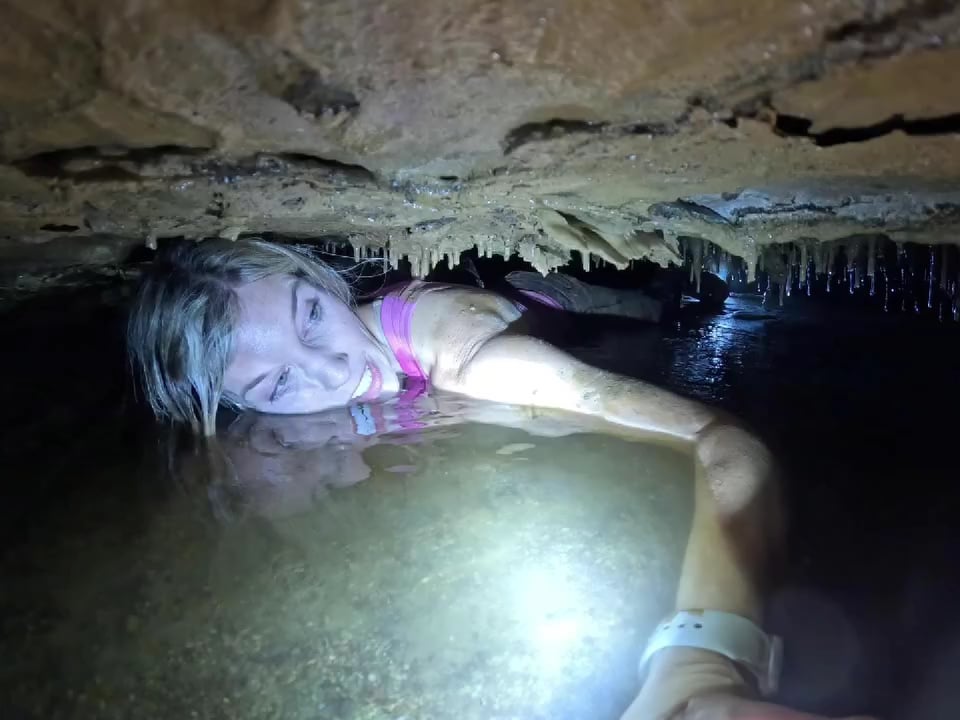
Cave Diving in Dangerous Crystallized and Flooding Cave!
Meta Title: Cave Diving in Crystallized & Flooding Caves: Risks, Beauty & Survival Tips
Meta Description: Explore the perilous allure of cave diving in crystallized and flooding caves. Learn about dangers, preparation strategies, and the breathtaking geology of Earth’s hidden underworld.
Conquering Darkness: Cave Diving in Dangerous Crystallized and Flooding Caves
Imagine gliding through water so clear it’s like floating in air, surrounded by walls glittering with millions of crystals—delicate formations that took millennia to grow. Now picture this: a sudden rush of water echoes through the cave, the current tugs at your gear, and your exit route narrows by the minute. Welcome to the extreme frontier of cave diving in crystallized and flooding caves, where fragility and fury collide.
What Makes Crystallized & Flooding Caves So Dangerous?
Crystallized caves—often formed in limestone, gypsum, or salt deposits—are adorned with dazzling mineral formations like gypsum flowers, selenite spears, or aragonite needles. Flooding caves, meanwhile, dynamically change due to rain, tides, or underground rivers. Combine these elements, and divers face a trifecta of hazards:
- Unpredictable Flooding: Water levels can rise rapidly from rainfall miles away, trapping divers or reversing flow directions.
- Fragile Ecosystems: A single fin kick can shatter irreplaceable crystal structures.
- Navigational Nightmares: Limited visibility, tight squeezes, and labyrinthine tunnels amplify disorientation.
Real-World Examples
- Cenotes of Mexico’s Yucatán: While famous for crystal-clear water, some systems (like K’óox Baal) feature calcified walls and sudden floods during tropical storms.
- Lechuguilla Cave, USA: A UNESCO-worthy labyrinth of gypsum chandeliers, but flash floods make it accessible only to elite cavers.
- Nullarbor Plain Caves, Australia: Salt-crystal-lined chambers prone to ocean-tide flooding.
The Unique Dangers of Crystallized & Flooding Cave Dives
1. Flash Floods & Currents
In flooding caves, water is an active enemy. Divers may enter in calm conditions only to face surging currents hours later. Cave-ins or debris can block exits, turning a known route into a deadly puzzle.
- Mitigation Strategy: Monitor weather forecasts, avoid caves during rainy seasons, and always carry redundant air supplies.
2. Fragile Crystal Formations
Brushing against a wall isn’t just risky—it’s vandalism. Damaging crystallized structures can destabilize ceilings or destroy scientific treasures.
- Mitigation Strategy: Use frog kicks (not flutter kicks), maintain buoyancy control, and stay centered in passages.
3. The “Silent Trap” of Tight Passages
Many crystallized caves feature serpentine tunnels widened just enough for a diver. Overconfidence here kills—sediment stirred by a misplaced tank can blind you instantly.
4. Psychological Strain
Claustrophobia, nitrogen narcosis, and sensory deprivation compound risks. In flooding caves, the sound of rushing water can trigger panic.
5. Limited Rescue Options
Flooding caves rarely allow for traditional rescue. Divers must be self-sufficient—guide lines, communication protocols, and teamwork are non-negotiable.
Gear & Safety Protocols: Surviving the Underworld
🛠️ Specialized Equipment Checklist
- Redundant Systems: Two lights, two regulators, twin tanks.
- Rebreathers: Minimize bubbles to protect crystals and extend dive time.
- Guideline Reels: To mark escape routes in silt-outs.
- Drysuits & Heated Vests: Combat hypothermia in cold, flooded caves.
- Side-Scan Sonar Devices: Advanced teams use tech to map changing flood zones.
📜 Training & Certifications
Never attempt these dives without:
- Cave Diving Certification (e.g., CDAA, NACD, or TDI).
- Flood-Hazard Management Courses: Learn to read water behavior and weather patterns.
- Crystal Cave Conservation Training: Organizations like the NSS-CDS offer eco-diving modules.
Conservation: Protecting Earth’s Hidden Jewels
Crystallized caves are time capsules holding clues to Earth’s climate history. Divers have a duty to protect them:
- Zero-Contact Policy: No touching, sampling, or anchoring.
- Avoid Zinc-Based Sunscreens: Chemicals harm microbial life supporting crystal growth.
- Report Changes: Alert conservation groups to new flood damage.
Conclusion: Is It Worth the Risk?
Cave diving in crystallized and flooding caves is not recreational—it’s expeditionary. Only expert divers with meticulous planning, respect for nature, and unshakable discipline should venture here. But for those who do, the reward is unparalleled: floating through a cathedral of crystals, witnessing geology in its rawest form, and emerging with a humbling reminder of nature’s power.
Ready to Explore? Build skills in safer caves first. Train relentlessly. And remember: the greatest cave divers know when not to dive.
Keywords for SEO: Cave diving dangers, crystallized cave diving, flooding cave exploration, cave diving safety, underwater crystal caves, extreme adventure travel, cave diving certification.